
Jul 5, 2026
Budget Hotels in Pokhara: Honest Guide to Affordable Stays Near Lakeside (2026)
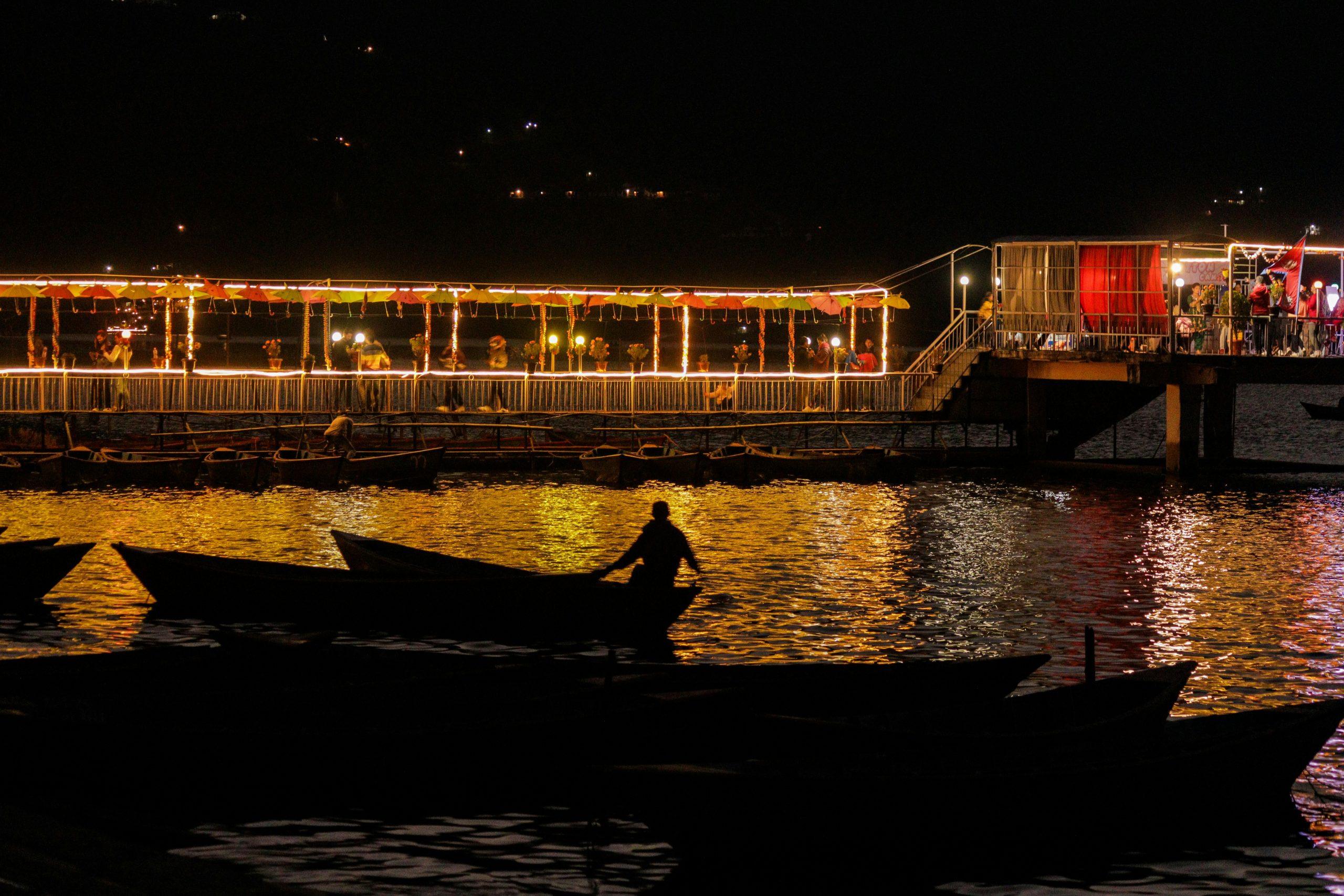
Pokhara is Nepal’s most beautiful lakeside city, known for its peaceful atmosphere, stunning Himalayan views, and adventure activities like paragliding, trekking, and boating on Phewa Lake. Surrounded by mountains and natural beauty, it is one of Nepal’s top travel destinations for both relaxation and outdoor adventures.
If you plan to visit Pokhara, the real question isn’t just “When?” but “When would be the best time for me?” The reason is simple: Pokhara changes a lot throughout the year, and each season creates a different experience on your trip that can completely affect how your travel feels.
This matters because weather conditions in Pokhara directly impact what you have planned and what you will actually experience on the ground. Clear skies or cloudy weather can change mountain visibility; trekking routes feel very different depending on the season, and adventure activities like paragliding are highly dependent on wind and weather conditions. Even overall travel comfort, like how crowded it is, how expensive hotels are, and how relaxed the atmosphere feels, changes from month to month.
Choosing the right time can completely change your experience in Pokhara, whether you see it at its most beautiful or at its most unpredictable. That’s why we’ve created this complete guide on the best time to visit Pokhara, covering everything from weather patterns and seasonal changes to what each period is actually like on the ground, so you can easily decide what works best for your trip.
Pokhara sits at about 820 meters above sea level, which gives it a mild, subtropical climate warmer than Kathmandu, but not too hot. Unlike many hill stations, Pokhara is accessible and pleasant year-round. However, each season brings a completely different experience.
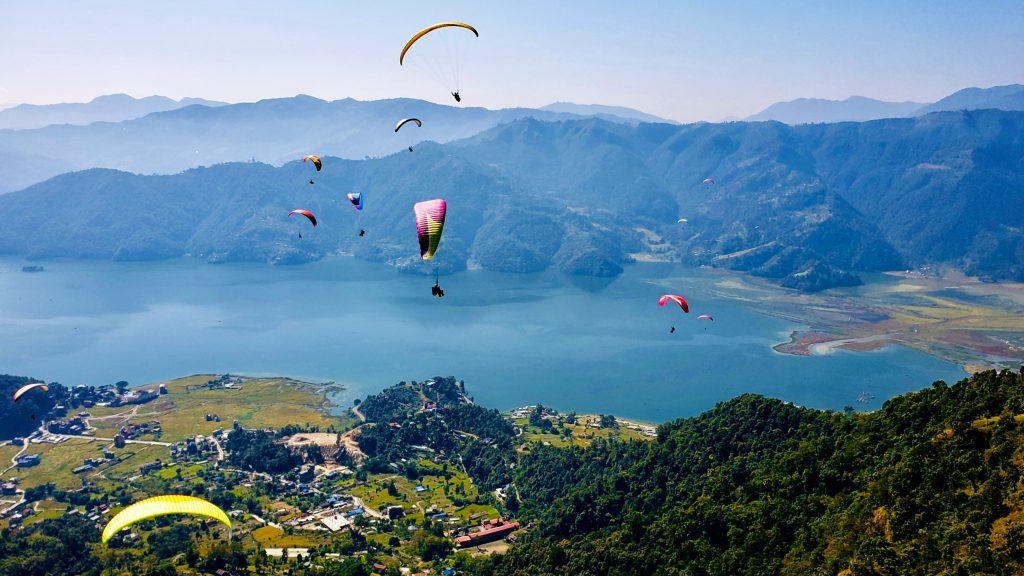
Autumn (October to November) is the best time to visit Pokhara, offering clear skies and stunning mountain views of the Annapurna range. The weather is pleasant for trekking, boating, and sightseeing, making it the most popular season for travelers. Booking early is recommended as hotels fill up quickly.
Spring (March to April) is the second-best time to visit Pokhara, with mild temperatures and blooming rhododendrons across the hills. Mountain views are generally clear, and conditions are ideal for trekking, paragliding, and sightseeing, with slightly fewer crowds than in autumn.
Winter (December to February) is a quiet and budget-friendly time to visit Pokhara, with fewer tourists and lower hotel prices. Days are generally clear with good mountain views, though mornings and evenings can be cold, making it ideal for travelers seeking a peaceful stay.
The monsoon season (June to September) is generally not recommended for visiting Pokhara due to heavy rainfall, cloudy skies, and limited mountain views. Travel disruptions and outdoor activity restrictions are common, though it can be quieter and cheaper for flexible travelers.
Quick Contact
Now that you know the best time to visit Pokhara, start planning your trip early to get the best deals on hotels and travel packages.
The best time to visit Pokhara really depends on what kind of trip you want.
If you’re coming for adventure activities like trekking, paragliding, hiking, or sightseeing, then spring (March to April) and autumn (October to November) are your best options. These months usually bring clear skies, stable weather, and the kind of mountain views Pokhara is famous for. This is also when most trekkers head toward the Annapurna region, so the atmosphere feels more active and exciting.
For a honeymoon or a peaceful couple’s trip with your loved ones, autumn and winter work best because autumn gives you beautiful weather and amazing views, while winter feels quieter and more relaxed. Evenings around Phewa Lake are especially calm during this time, which makes it perfect for slow walks, café hopping, and enjoying sunsets together.
If you are traveling mainly for photos especially if you want those beautiful shots for your social media or just want to capture Pokhara at its best then October and November are the perfect months. After the monsoon, the air becomes clean and clear, which means the mountains look sharper, the skies turn deep blue, and sunrise views from places like Sarangkot feel almost unreal. It’s the kind of weather where every photo looks naturally good, even without much editing.
For students, budget travelers, or long-term visitors, monsoon and winter are the cheapest periods to visit Pokhara. During monsoon, there is constant rainfall and no sunny weather. However, all of Pokhara becomes lush green at that time. It is a peaceful place with almost no crowds due to the fact that it is off-season for the tourists. Winter is also cheap and peaceful compared to other times of year, with reduced rates for hotel accommodations; however, it requires some warm clothing since it is cold in the morning and evening hours.
For solo travelers who prefer calm and less crowded places, December and January are a good choice. The city slows down, Lakeside feels more relaxed, and you get a chance to enjoy Pokhara without the usual tourist rush and if you want to experience local culture and festivals, October is the most special time. During Dashain and Tihar, Pokhara becomes lively with lights, celebrations, and a warm festive atmosphere that gives your trip a completely different feel.
In order to spare you from remembering all the information presented above, we have made everything easier by creating a concise table that will enable you to easily evaluate the best time according to your own traveling preferences. Just take a screenshot or refer to it each time when making your choice – and there won’t be any troubles at all.
| Travel Purpose | Best Time |
| Adventure (Paragliding, Trekking) | Spring & Autumn |
| Budget Travel | Winter & Monsoon |
| Honeymoon | Autumn & Winter |
| Photography | October–November |
| Peaceful Solo Travel | December–January |
| Festivals & Culture | October (Dashain/Tihar) |
The drive from Kathmandu to Pokhara takes around 6–7 hours on the Prithvi Highway and is one of Nepal’s most scenic routes. The best months for road travel are October through May, when landslide risks are minimal. Avoid travelling by road during the peak monsoon (July–August), as landslides can cause serious delays and road closures.
Pokhara has its own international airport, making air travel a fast and convenient option. Mountain-viewing flights and air connections operate year-round, but during the monsoon period, both may be restricted. The best months for smooth, on-time flights with clear views are October through April.
Pokhara climate changes across all 12 months, and each month brings a different version of the city. Some months are crystal clear due to rainfall which contributes to strong mountain views, while others are cloudy, rainy, or quiet depending on the season. Because of this variation, the “best time” is not the same for everyone it depends on whether you want clear Himalayan views, adventure activities, low-budget travel, or a peaceful experience. This month-by-month table helps you quickly understand those real on-ground changes so you can compare conditions easily and choose the timing that actually matches your travel style.
| Month | Weather | Good For |
| January | Cold, clear | Peaceful travel, budget stays |
| February | Slightly warmer | Sightseeing, paragliding |
| March | Pleasant start of spring | Trekking, nature walks |
| April | Perfect weather, sunny | All activities – highly recommended |
| May | Warm, slightly hazy | Trekking, lake visits |
| June | Rainy begins | Lush greenery, low prices |
| July–August | Heavy rain | Relaxing, budget travel only |
| September | Rain clears, fresh | Good start to peak season |
| October | Best month overall | Everything, trekking, festivals, and views |
| November | Clear and cool | Photography, trekking |
| December | Cold mornings, peaceful | Quiet travel, budget stays |
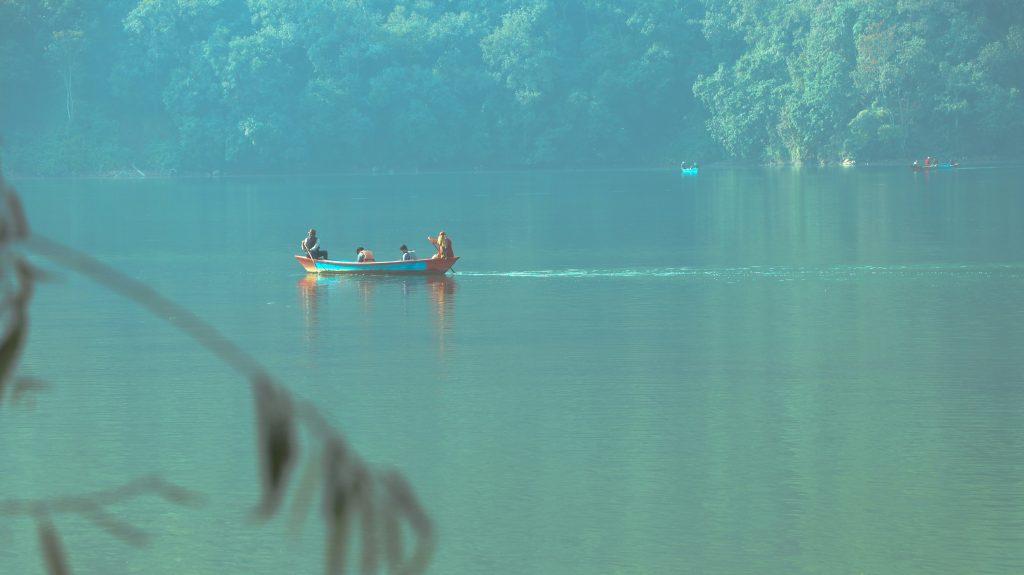
Planning your first trip? Here are a few things that will make your visit much smoother:
For a more detailed guide on planning your first trip, check out our complete Pokhara Travel Guide for First-Time Visitors.
The best place to stay in Pokhara is Lakeside, as it offers easy access to Phewa Lake, restaurants, hotels, and major tourist activities. Other good options include Damside for budget-friendly, peaceful stays and Sarangkot for mountain views and luxury experiences.
When choosing a hotel in Pokhara, key factors to consider include affordable pricing with good value for budget and mid-range travelers, comfortable and well-maintained rooms for a restful stay after exploring, and a convenient location close to Phewa Lake, restaurants, and major attractions.
Depending on whether you visit Pokhara to relax, have fun, trek or sightsee, selecting the correct neighbourhood and hotel may make your trip more enjoyable for you. Each location in Pokhara has something to offer travellers. For instance, there is the hustle and bustle at Lakeside, the serene environment at Damside and the amazing view at Sarangkot, just to name a few. Find out about all these locations in our comprehensive guide to Where to Stay in Pokhara.
Pokhara is beautiful in every season, but knowing when to go helps you get the most out of your trip. If you want the best weather and mountain views, visit in October or November. If you love flowers and adventure, March to May is your window. Traveling on a budget? Winter or monsoon will serve you well.
Whatever time of year you choose, Pokhara will not disappoint. The mountains will be there. The lake will be there. And so will a warm welcome at Hotel Janani.
Follow Hotel Janani on Facebook to explore more and stay updated before your trip.
Quick Contact
Now that you know the best time to visit Pokhara, start planning your trip early to get the best deals on hotels and travel packages.
The best time to visit Pokhara is October to November and February to April when the weather is pleasant, skies are clear, and mountain views are at their best.
Autumn (October–November) provides the clearest views of the Annapurna range due to low rainfall and clean air after the monsoon.
Yes, but with limitations. The monsoon season (June–September) brings heavy rainfall, lush greenery, and fewer crowds, but mountain views are often blocked, and outdoor activities may be restricted.
Pokhara has a mild climate throughout the year, with four distinct seasons. Autumn (Oct–Nov) is clear and best for mountain views; spring (Mar–Apr) is warm with blooming landscapes; winter (Dec–Feb) is cool and quiet; and monsoon (Jun–Sep) brings heavy rain and limited visibility.
Yes, winter (December–February) is ideal for peaceful travel with fewer crowds and clear skies, though mornings and nights can be cold.