Jun 16, 2026
Mistakes Visitors Make in Pokhara:15 Common Travel Mistakes to Avoid
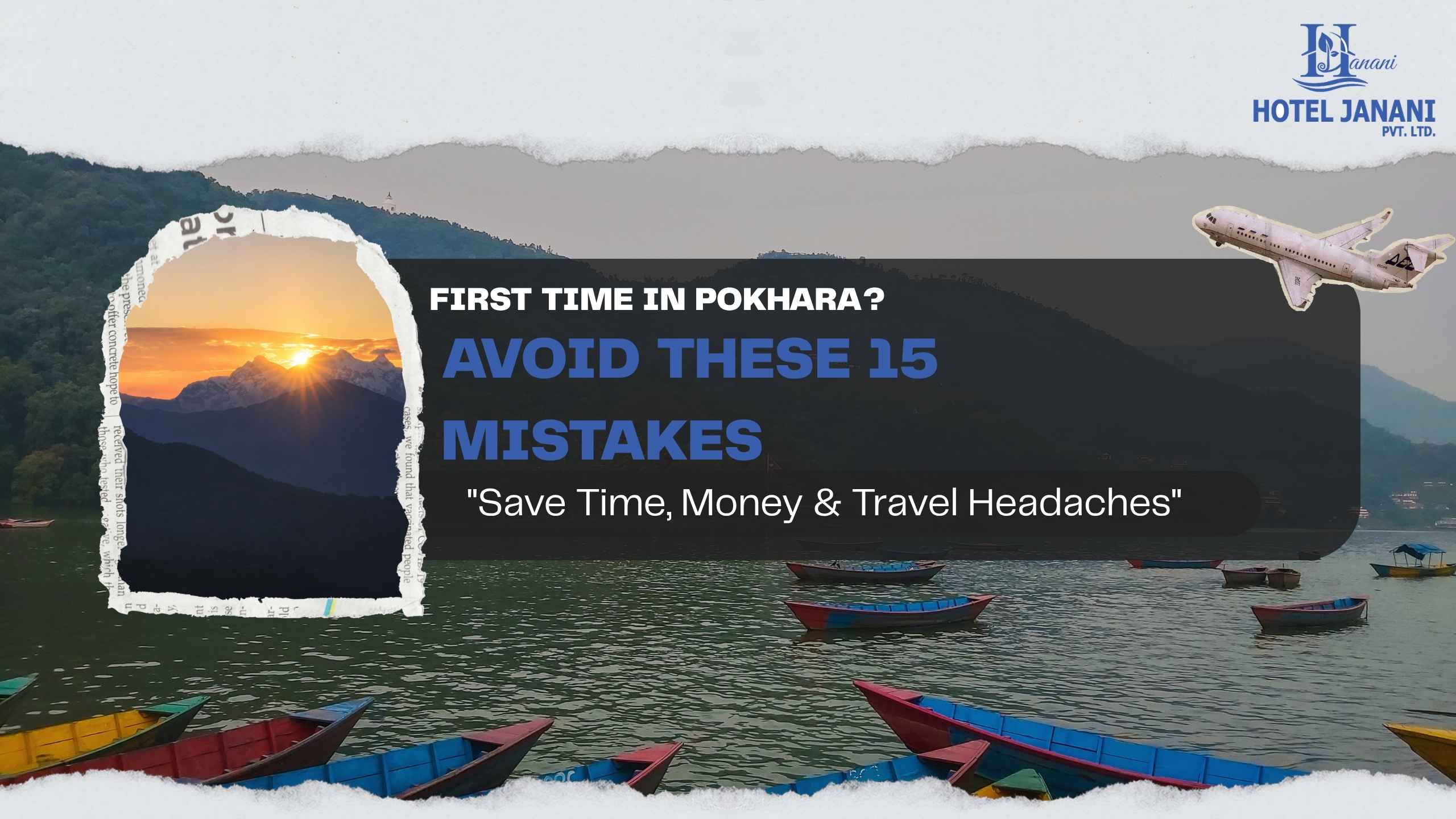
Mistakes visitors make in Pokhara are usually simple, but they can seriously affect your trip experience. Most travelers don’t realize them until it’s too late, as we all know Pokhara is one of the most beautiful places in all of Nepal. You’ve got the lake, the mountains, the paragliding, and the fresh air. It’s easy to see why so many travelers make it their favorite stop on any trip to Nepal.
But here’s the thing: a lot of the mistakes visitors make in Pokhara aren’t because Pokhara let them down, but because they made a few simple, easy-to-avoid mistakes.
This Pokhara travel guide is here to help you skip those rookie mistakes. Whether this is your first time in Pokhara or you’re planning a return visit, these practical local tips will help you save money, stay safe, and enjoy every single day.
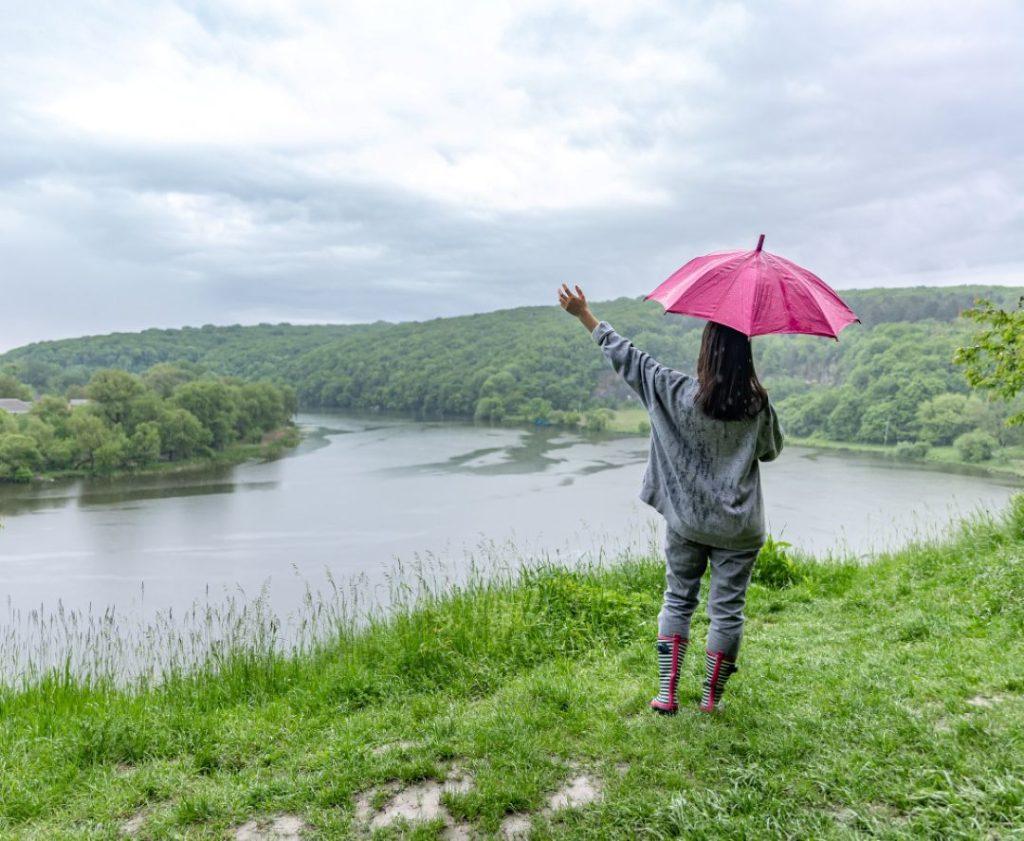
The monsoon season usually starts in Pokhara in June and runs through September, when the city experiences heavy rains throughout this period. However, during this period, the conditions for traveling greatly altered. For instance, trails become very slippery and muddy, making hiking quite dangerous. Also, due to the rains, rivers and waterfalls become flooded, posing certain risks to people’s safety. In addition, the magnificent views of the Himalayas, for which Pokhara is so well known, are obscured by cloudiness.
Flights from Kathmandu to Pokhara are frequently delayed or even canceled due to poor visibility and unpredictable weather conditions during the rainy season. If you are on a strict schedule, you are likely to face difficulties and be unable to adhere to your travel plans.
If you are planning your trip, it’s important to choose the right season. You can check our detailed guide on the best time to visit Pokhara for a full breakdown of weather, views, and travel conditions throughout the year.
How to avoid them:
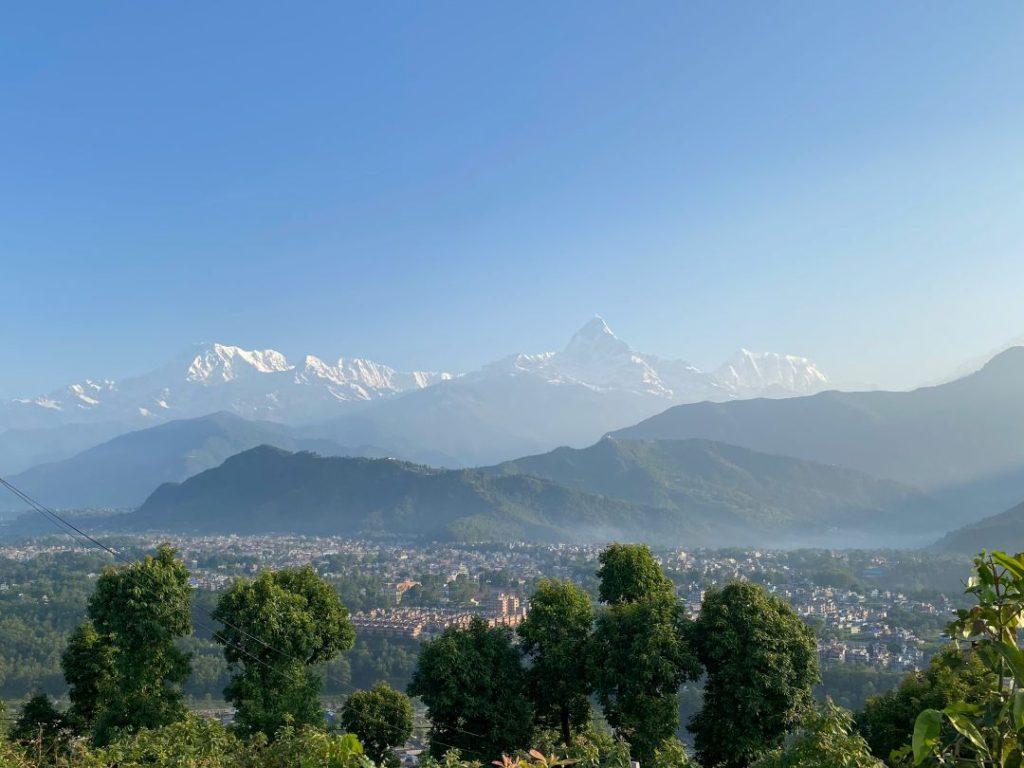
This is probably the most common mistake visitors make when visiting Pokhara. There are quite a few people who have this misconception of clear blue skies and a proper view of the Annapurna range throughout their visit. Unfortunately, the weather conditions may not always be favorable. Even in the dry season, it could get cloudy in a matter of minutes or mist would block out the mountains. Thus, setting realistic expectations from the trip could prove to be quite useful.
Late March and April can bring atmospheric haze from farmland burning near the Indian border, and many visitors report zero mountain views during this period.
How to avoid it:
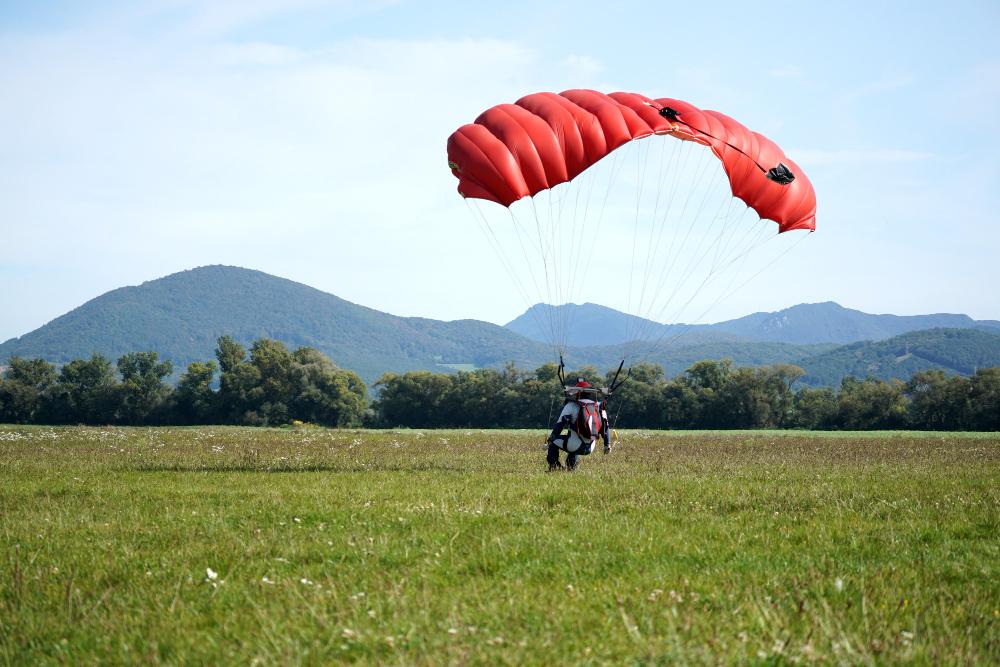
As the adventure capital of Nepal, Pokhara attracts thousands of people every year. Many travelers visit the city with the purpose to experience exciting activities such as paragliding, zip-lining, bungee jumping, and trekking. Among these, paragliding over Phewa Lake with breathtaking views of the Annapurna range is one of the most memorable experiences Pokhara has to offer.
However, many visitors make the same mistake which is waiting until the last minute to book their activities. During peak tourist seasons, the most reputable operators and preferred flight slots often fill up quickly, leaving travelers with limited options or missing out altogether.
How to avoid it:
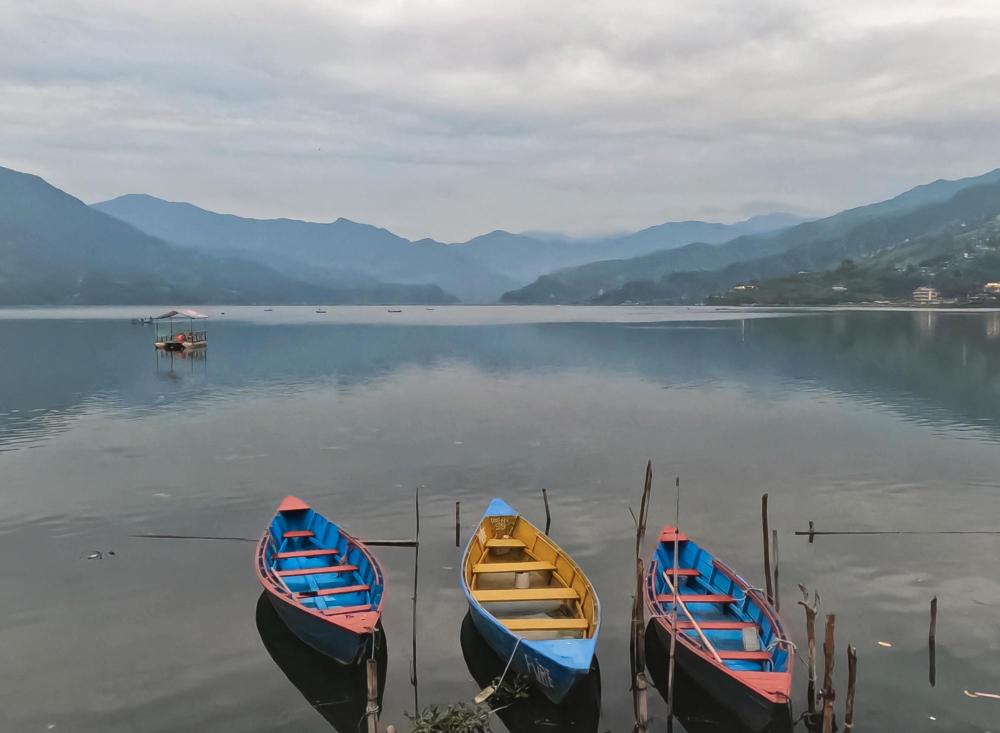
At first glance, people thinks the Lakeside is small and easy to explore on foot. While it is a walkable area, many visitors underestimate its actual size. Stretching along the shores of Phewa Lake, Lakeside covers a larger area than most travelers expect.
Due to which walking from one end to the other, especially during the warmer hours of the day or while carrying bags, can be tiring and time-consuming. As a result, many visitors find themselves exhausted before they have even started sightseeing or enjoying the activities they planned for the day.
How to avoid it:
Secure Your Stay
Don’t wait until rooms are gone book your Pokhara stay now and get the best available rates near Lakeside with instant confirmation and zero hassle at check-in.
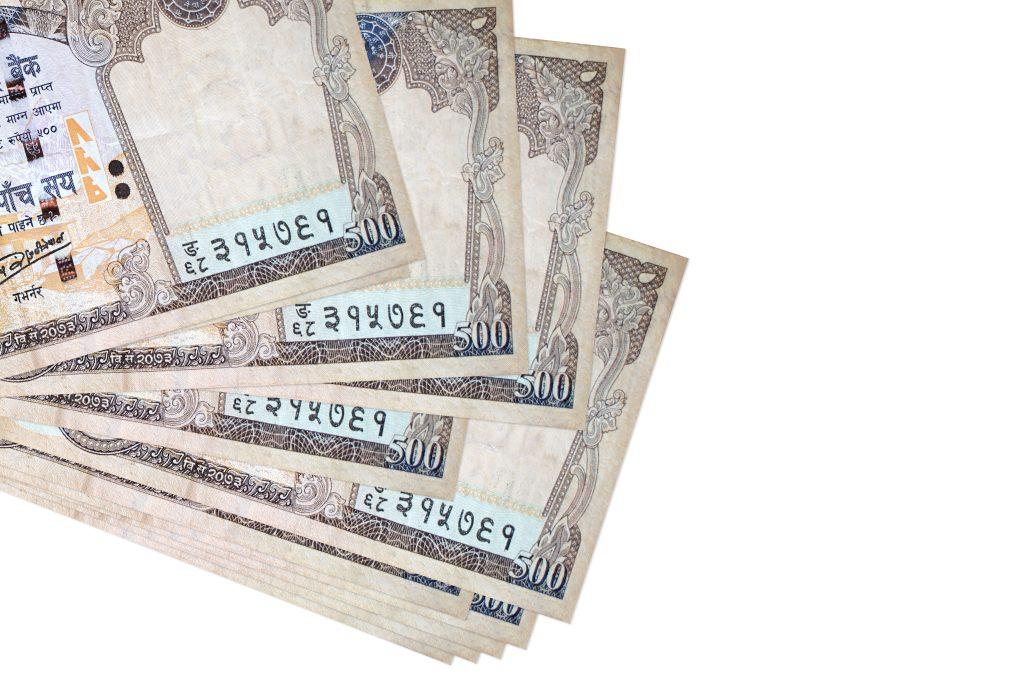
Most visitors make the mistake of carrying too much cash during their travels or of using only cards for all transactions while visiting Pokhara. Though it might appear more convenient to have lots of money around, it could prove harmful to your safety.
However, relying solely on cards is not advisable, as there are places that accept only cash. While most hotels, coffee shops, and major stores may accept cards, it is not uncommon for some eateries, smaller stores, vendors, and transport companies to accept only cash.
How to avoid it:
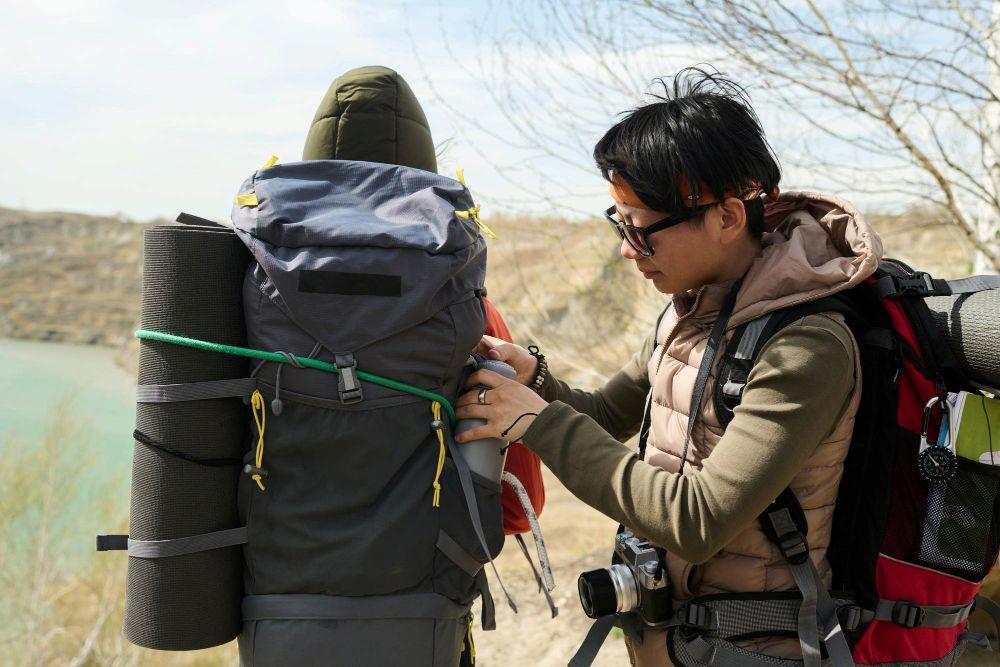
Many visitors thinks Pokhara as a begining point for trekking in the Annapurna region and head straight to the trails without understanding the challenges involved in it. While the treks may seem easy at first, many routes gradually reach elevations where altitude sickness can become a serious concern. Failing to prepare properly, rushing the ascent, or ignoring early symptoms can affect both your health and overall trekking experience. Taking the time to plan ahead and understand the effects of higher altitudes is essential for a safe and enjoyable journey.
Headaches, nausea, and dizziness can sneak up on you. Ignoring the early signs and pushing on anyway is one of the biggest mistakes trekkers make.
How to avoid it:
Many travelers think that Pokhara is a safe and relaxed destination where travel insurance is unnecessary because the city is known for its peaceful lakes, stunning mountain views, and laid-back atmosphere, visitors often overlook the risks involved in popular adventure activities. However, Pokhara is also Nepal’s adventure tourism hub, offering paragliding, ultralight flights, ziplining, bungee jumping, and trekking routes that carry potential risks.
Although severe accidents may not occur frequently, But there is always a possibility that something unexpected, such as injuries or medical emergencies, will take place without any prior notice. There is an old saying that “Prevention is always better than cure,” due to which purchasing travel insurance before participating in adventure sports is an easy way of getting ready for the unforeseen. In the absence of proper insurance, visitors must cover their own expenses for medical care, emergency transport, and related costs. Having travel insurance helps tourists explore Pokhara with peace of mind.
How to avoid it:
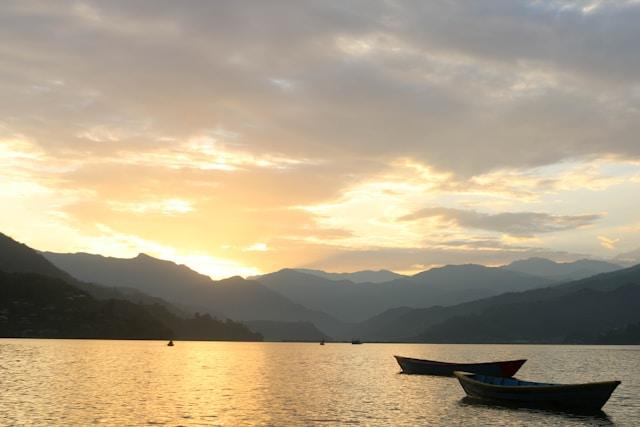
One of the most common errors made by travelers visiting Pokhara, however trivial it might be, would be sleeping in and missing the sunrise. Visitors come prepared to engage in various adventures and explore the sights and sounds of Pokhara without realizing that the best things in the place actually occur when everyone else is fast asleep. Visitors who sleep late end up missing one of the most defining features of the city its beautiful mountains.
The best time of day to see Annapurna and Machhapuchhre would have to be the first thing in the morning, when the clouds haven’t yet settled into the scene. Visitors who visit Sarangkot in order to view the Himalayan sunrise will certainly not be disappointed with their decision. In fact, a single morning would be more than enough to top off the entire trip.
How to avoid it:
Even if it may not be obvious, one common problem among travelers who visit Pokhara is to end up using an unregistered tour operator. Lured by prices which are too good to be true, some tourists fall into the trap of buying adventure trips, transportation, or tours from unlicensed companies. Even though many tourists will end up enjoying their experience, sometimes it ends up being problematic.
In order to prevent such unnecessary hassles, it would be wise for visitors to invest some time in researching travel companies, going through the latest reviews, and ensuring that the business is licensed and has experience in its field. Be it paragliding, trekking, rafting, or sightseeing trips, opting for a reliable company might prove a tad bit expensive; however, it is definitely more reassuring.
How to avoid it:

As obvious as it might sound, failing to try local food other than the ones in the touristic restaurants is probably one of the easiest mistakes that visitors could commit in Pokhara. It is quite natural for many tourists to dine at well-known cafes and hotels, considering them safer and more convenient alternatives. However, this way, they are likely to deprive themselves of the opportunity to try delicious local cuisine that is easily accessible in other places a bit further from where tourists usually eat.
The rich cooking tradition in Pokhara is much more extensive than most visitors expect. Local dishes such as dal bhat, momos, and thukpa are easily found throughout the city, especially if you explore beyond the main tourist areas. If you want to discover authentic options, check our guide on local food near Lakeside Pokhara for the best places to try real local cuisine.
How to avoid it:
Although it might appear to be an obvious assumption, thinking that flights from Kathmandu to Pokhara are never delayed is a common mistake that many travelers make. Due to weather problems, low visibility, or simply heavy traffic in the air, delays or even cancellation of flights are quite typical for this short domestic flight. Many tourists build tight schedules for themselves, believing everything to be smooth and timely, only to find themselves stuck in unnecessary long hours of waiting.
This way, tourists have no choice but to cancel their planned events or hurry around. In order to avoid being caught in such situations, it is recommended to be flexible and leave some additional time during scheduling. Traveling in the mountainous area of Nepal can bring you many surprises.
How to avoid it:
Another important thing to keep in mind is that visitors must not arrange any crucial activity on the same day when their flight takes place since a mere delay of a few hours can upset the whole schedule. As an alternative, travelers can consider taking the tourist bus between the two locations since it will take about nearly 6-7 hours to reach Pokhara.
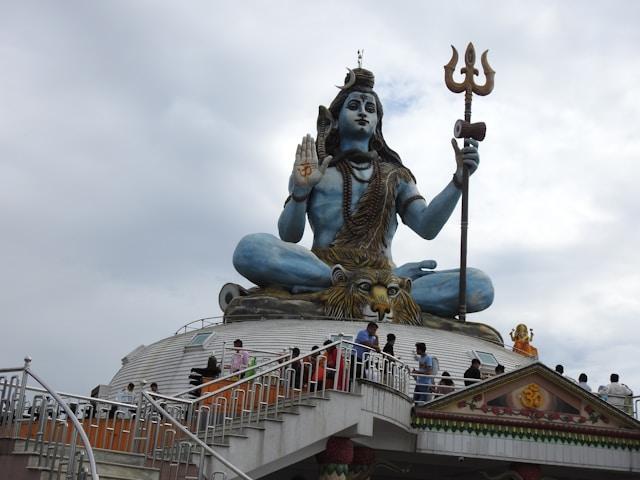
Pokhara is home to beautiful temples and religious sites. Bindhyabasini Temple, Tal Barahi Despite its seeming insignificance, another grave mistake some visitors commit in Pokhara is that of disregarding the significance of the local culture’s religious or cultural sites. For example, temples, monasteries, and heritage sites do not only serve as touristic sites. They are very important in terms of religious beliefs and cultural background of locals.
How to avoid it:
This is one of the major mistake visitors makes while visiting pokhara and that is not exploring beyond Lakeside. Many visitors stay within the comfort of Lakeside because it is convenient, full of cafes, hotels, and tourist services. While it is enjoyable, this often creates a limited view of what Pokhara truly offers.
Within just a short distance from Lakeside, you’ll find small villages, scenic viewpoints, waterfalls, caves, and local communities that show a completely different side of Pokhara. If you want to plan your sightseeing better, check our guide on places to visit in Pokhara for more ideas beyond Lakeside.
How to avoid it:
One of the mistakes made by visitors before visiting Pokhara is packing wrong clothing. A common misunderstanding about the weather in this region is that it remains fairly constant, making travelers pack only the kind of clothes needed for relaxing by the lake. Unfortunately, it can turn quite cold and windy because Pokhara sits at around 800 meters above sea level, so it’s warm and pleasant during the day. But Sarangkot at 5 am is cold. A trek to Poon Hill goes above 3,000 meters. And an evening rainstorm can arrive without much warning.
How to avoid it:
Trying to see everything in one day is a common mistake many travelers make in Pokhara. The city looks compact on a map, so people often underestimate travel time between viewpoints, lakes, caves, and adventure spots. In reality, rushing from one place to another leads to fatigue and a shallow experience of each location.
Pokhara should not be rushed, but should be explored at a relaxed pace, because then one would have the chance to sit by the lake, watch the mountains, and see a couple of places rather than checking a lot of things from a very long list. If a visitor makes an itinerary of Pokhara for several days, they will have the opportunity to do all that.
How to avoid it:
Pokhara is truly unique. From stunning mountain views to lake activities and even cultural exploration, the whole experience makes it unique from any other place in the world. It is a destination that has a lot to offer, no matter which part of the city you find yourself in, be it by the lake itself or seeing the majestic Himalayas rise above the horizon.
All the common mistakes first-time visitors make in Pokhara can be avoided with ease once you know what to expect from the trip. A little preparation goes a long way in making your stay more comfortable, enjoyable, and truly memorable. Visit our Facebook page for details and booking updates.
Plan Your Stay Now
Don’t wait until rooms are gone book your Pokhara stay now and get the best available rates near Lakeside with instant confirmation and zero hassle at check-in.
The most common mistakes visitors make in Pokhara include visiting during the monsoon season, expecting clear mountain views every day, not booking adventure activities in advance, and underestimating travel distances around Lakeside. Many travelers also skip travel insurance and try to rush through too many places in one day, which reduces the overall experience.
The best time to visit Pokhara for clear mountain views is from October to November and from March to April. These months usually offer stable weather, clearer skies, and better visibility of the Annapurna range. However, mountain views aren’t guaranteed every day, so it’s best to plan a flexible itinerary with multiple opportunities for sunrise viewing.
Yes, travel insurance is highly recommended if you are planning adventure activities in Pokhara, such as paragliding, trekking, ziplining, or bungee jumping. While serious accidents are uncommon, unexpected injuries or emergencies can occur. A proper insurance policy ensures medical and emergency costs are covered, giving you peace of mind during your trip.
To explore Pokhara comfortably, at least 2 to 4 days are recommended. This allows enough time to enjoy key attractions like Phewa Lake, Sarangkot sunrise, adventure activities, and nearby cultural sites without rushing. A longer stay also gives you time to explore beyond Lakeside and experience the city’s local side.
Yes, Pokhara is generally safe for tourists and is one of Nepal’s most popular travel destinations. Adventure sports like paragliding and trekking are safe when booked through licensed, experienced operators. However, travelers should still take basic precautions such as using registered companies, following safety instructions, and avoiding unplanned or unverified tour deals.