Lakeside vs Sarangkot: Which Is the Best Area to Stay in Pokhara?

Millions of travellers visit Pokhara every year to enjoy Majestic views of the Himalayas, peaceful lakes, and an exciting environment. In fact, on a single day, the number of domestic and foreign tourists who visit the city is around 20,000. However, before they can start exploring Pokhara, most travellers face one important question: Should they stay in Lakeside or Sarangkot

The answer can have a major impact on your Pokhara experience because both areas are among the most popular places to stay in the city, but they offer very different experiences.

For first-time visitors especially, deciding between the two can be Difficult. Each has its own advantages, making it challenging to know which one best suits your travel style, budget, and expectations. In this guide, we’ll compare Lakeside and Sarangkot based on location, views, accommodation, dining, transportation, cost, and overall experience to help you choose the right area for your trip.

Lakeside vs Sarangkot: Which One Should You Choose? 


If it’s your first time in Pokhara, or you want everything close by, like restaurants, cafes, shops, and easy transport, Lakeside is the safer and more convenient choice. It keeps your trip simple and flexible, especially if you don’t want to depend on taxis.

If your main goal is to see the Himalayas at their best, enjoy sunrise views, take photos, or experience something quieter and more breathtaking, then Sarangkot is worth it. Just be ready for fewer facilities and more dependence on transport.

For most travellers, Lakeside ends up being the base of the Pokhara trip because it’s practical and stress-free. But Sarangkot is the kind of place people remember long after the trip, especially the sunrise over the Annapurna range. To make your decision even easier, we’ve put together a simple side-by-side comparison table of Lakeside and Sarangkot. This will help you quickly understand the key differences without going through long explanations. 

FeatureLakesideSarangkot
AccessibilityExcellentModerate
Mountain ViewsGoodOutstanding
Lake ViewsExcellentLimited
RestaurantsMany OptionsLimited
NightlifeActiveVery Limited
Budget HotelsPlentyFewer Choices
Remote WorkReliableUnreliable
Family FriendlyYesLess Convenient
Sunrise ViewsAverageExceptional
Overall ConvenienceExcellentModerate

If you are planning your trip to Pokhara, you can also check our detailed guide on how to reach Pokhara, including transport options, travel time, and costs from major cities in Nepal.

Why Trust This Comparison?

We help our visitors make wise decisions about choosing places to stay in Pokhara according to their trip objectives and needs.

During our years of experience, we have noticed that travellers  who come here are of different types like backpackers, couple, family, photographer, digital nomad, and so on from other parts of the world. Each type of traveller seeks different things in terms of experiences, some are concerned about convenience, restaurants nearby, and so forth, while others care more about silence, mountain view, or something else.

In conclusion, through all this experience, we have learned one thing for sure, there is no “one size fits all” solution when choosing a good place to stay in Pokhara.

Staying in Lakeside: What to Expect
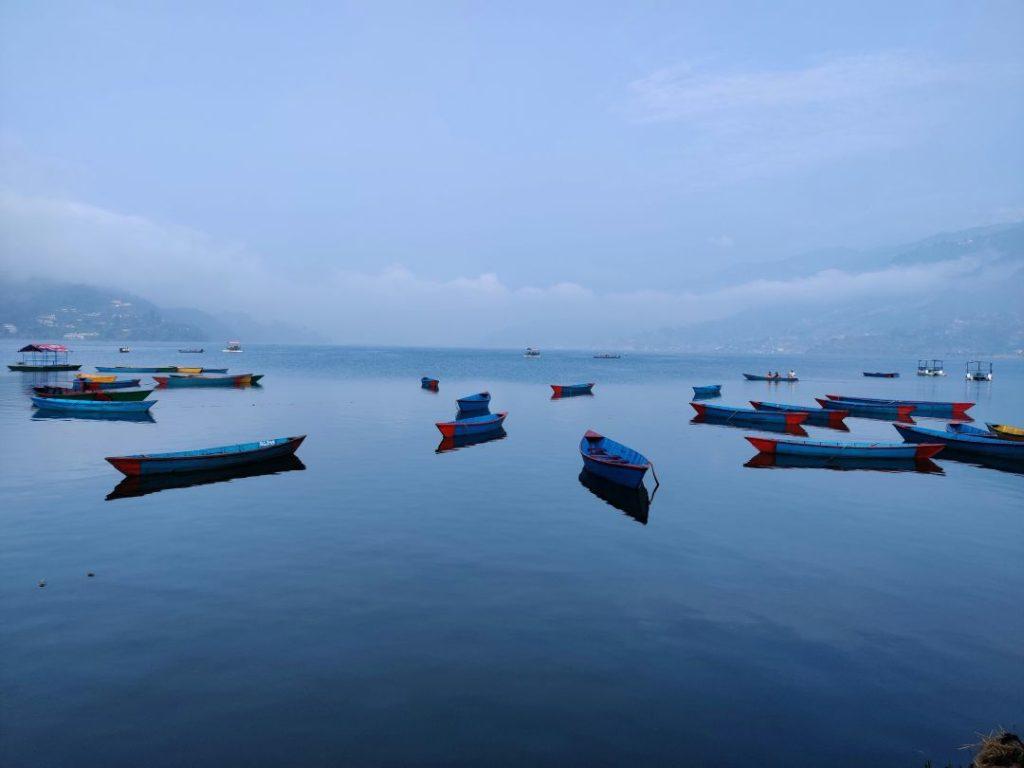
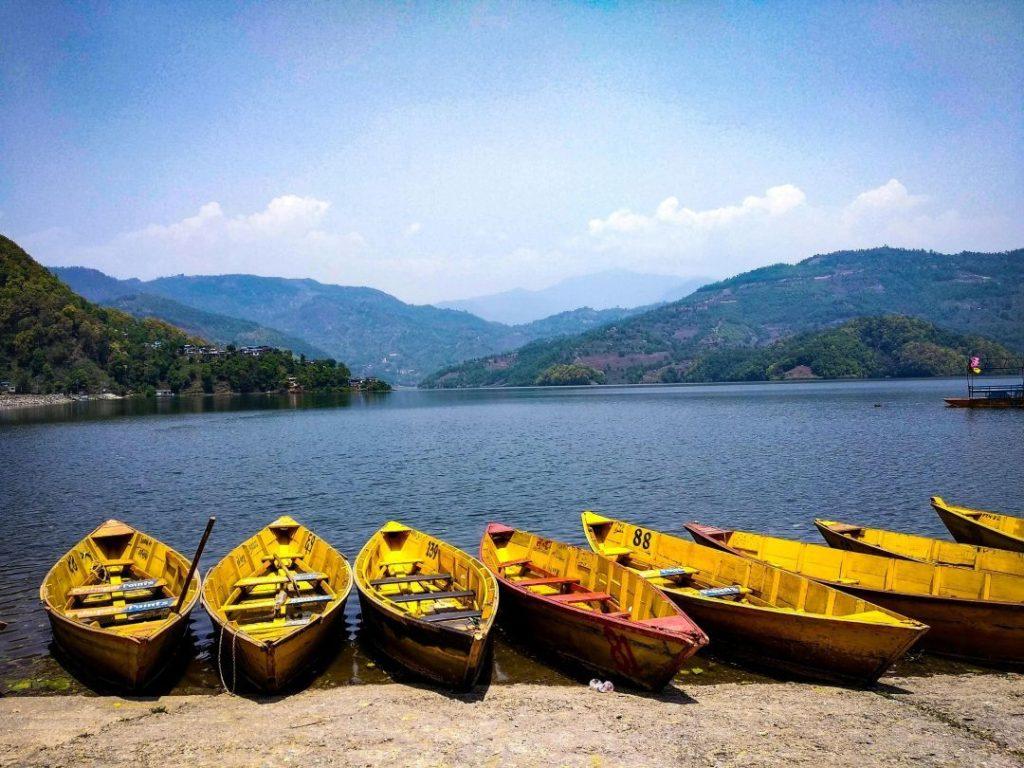
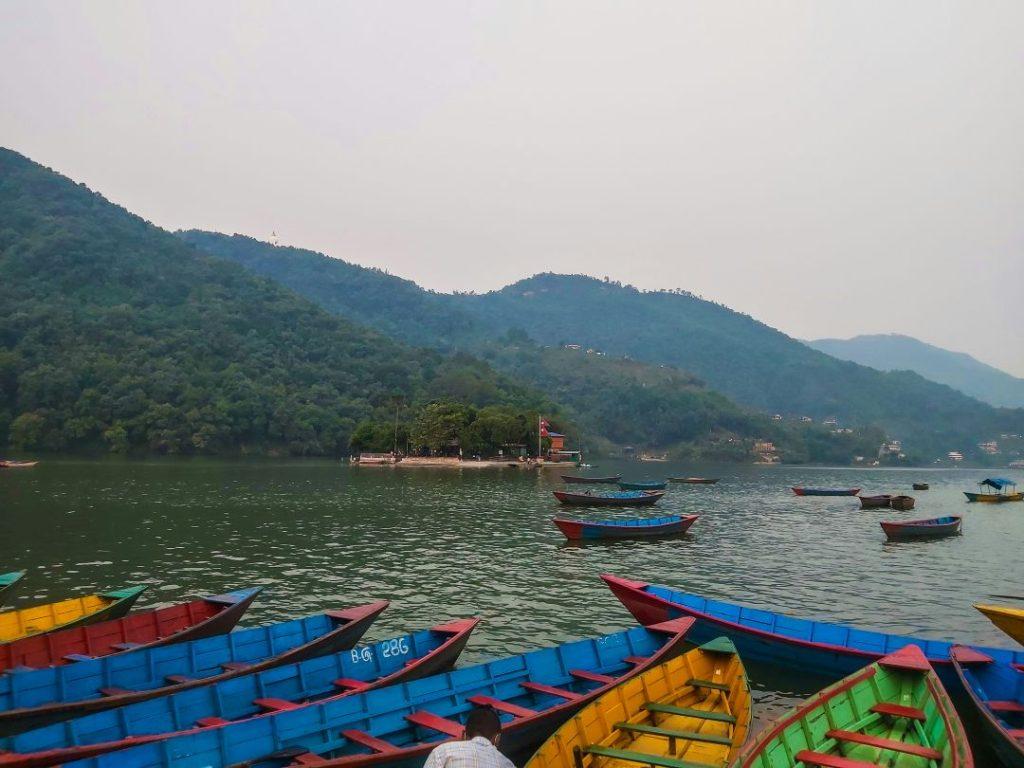
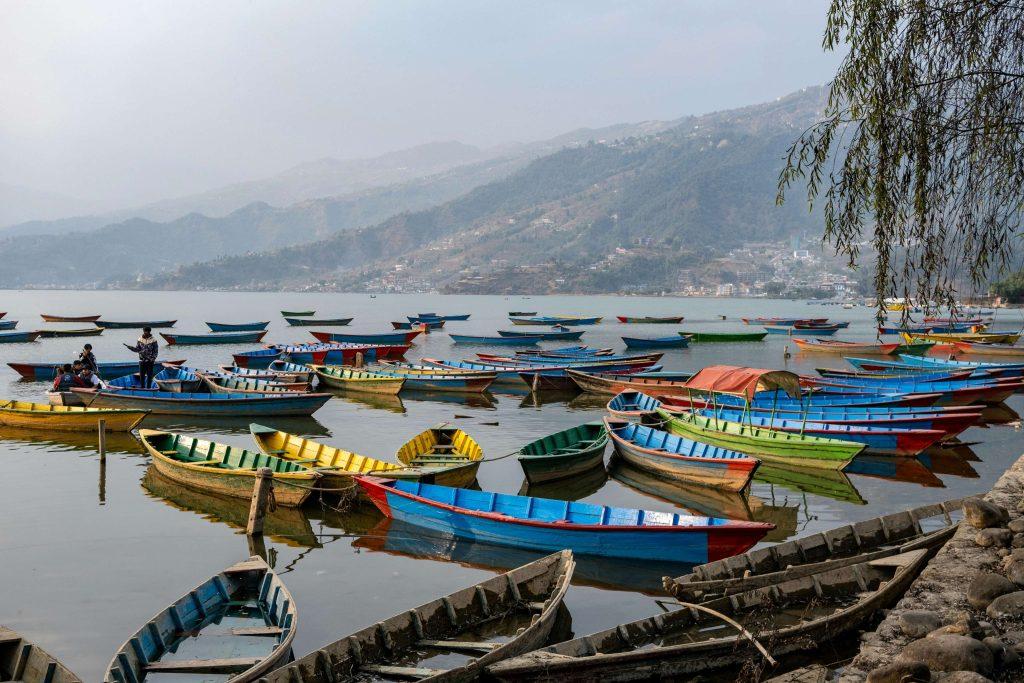
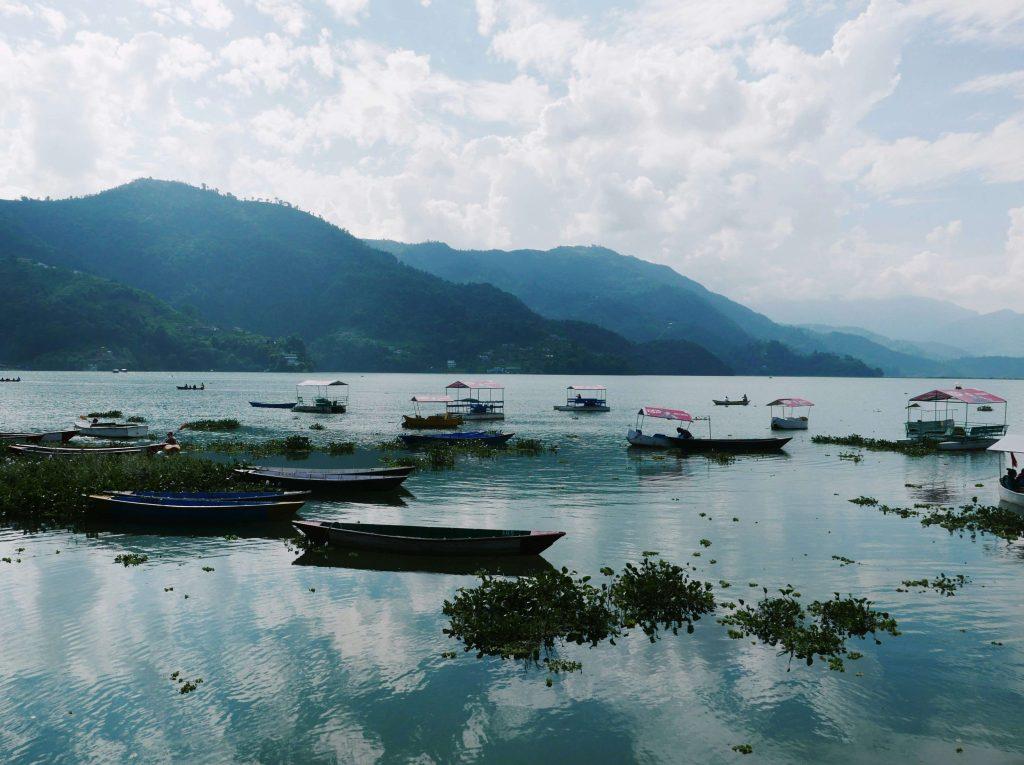
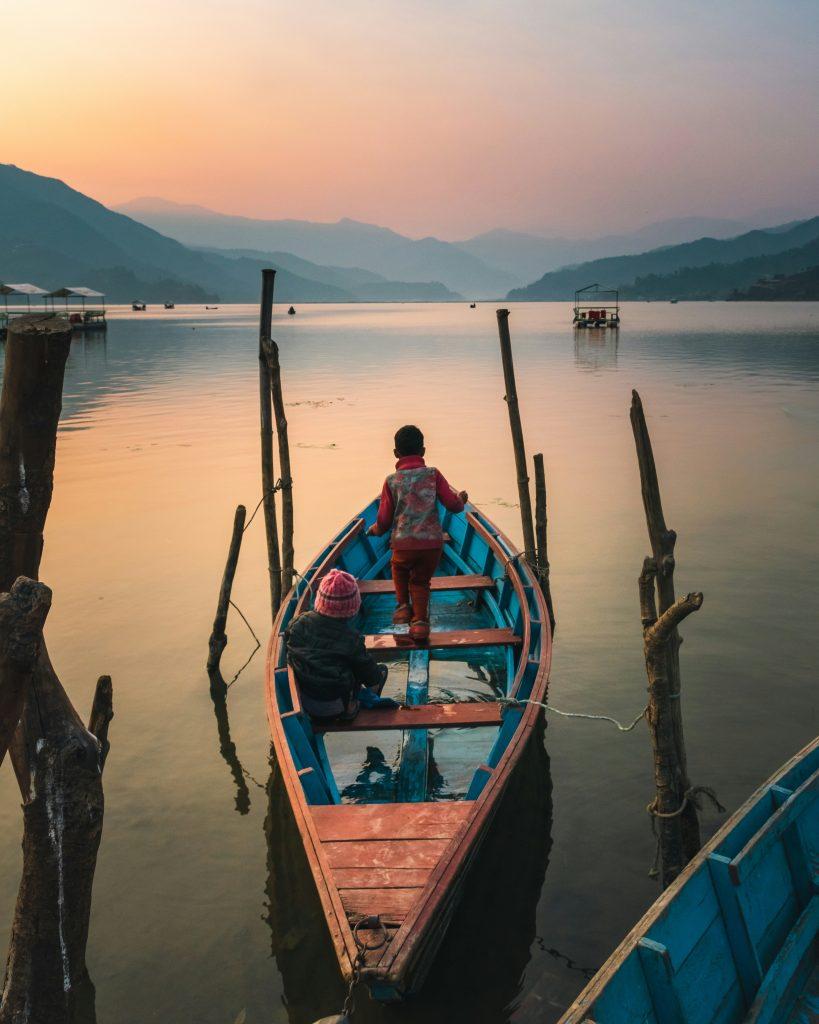
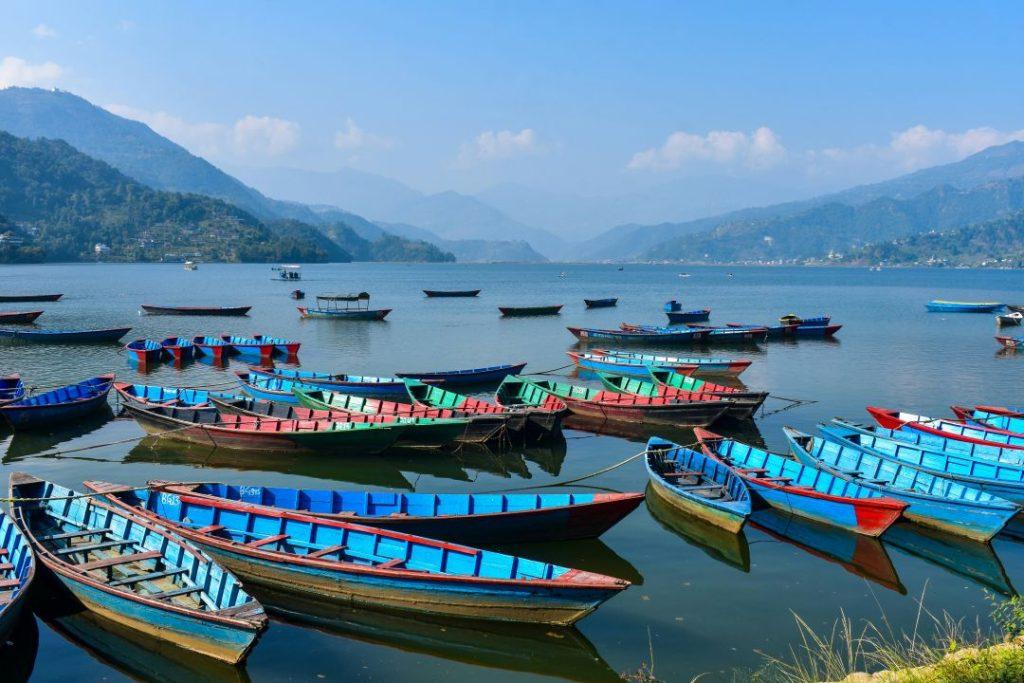
Colorful wooden boats on Phewa Lake at Lakeside Pokhara, Nepal, with calm water reflecting the surrounding hills and Annapurna Himalayan range in the background

Location and Accessibility

Lakeside stretches along the eastern shore of Phewa Lake and serves as the main tourist area of Pokhara. It is approximately 15 minutes from Pokhara Airport and offers easy access to most attractions.

One of the biggest advantages of staying in Lakeside is walkability. Most restaurants, cafes, shops, tour operators, and lakeside attractions can be reached on foot.

Atmosphere

Lakeside has a lively but relaxed atmosphere. During the day, visitors enjoy lakeside cafes, boat rides, and shopping. In the evening, restaurants, rooftop bars, and live music venues create a vibrant social scene.

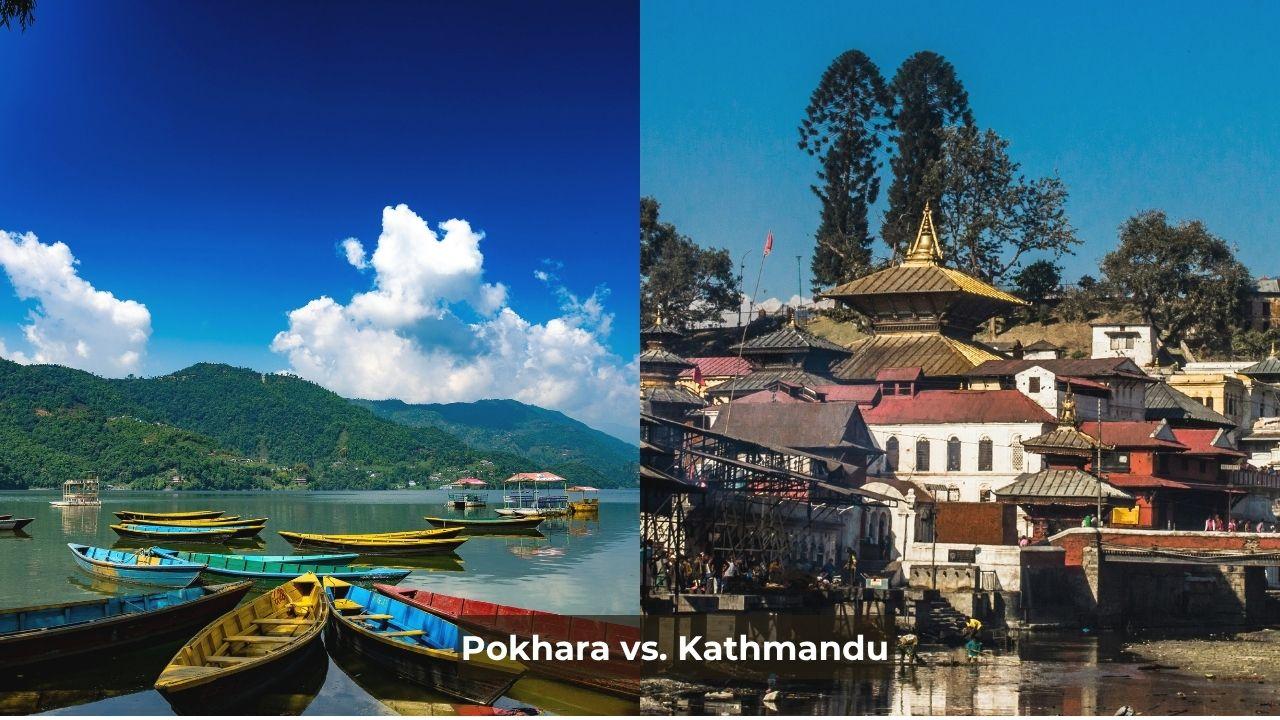
Unlike Kathmandu’s busy Thamel area, Lakeside feels more open and peaceful while still offering plenty to do.

Best Things to Do Near Lakeside

Lakeside Pokhara has many fun activities and sights that you can take part in during your time there. No matter what kind of experience you are interested in, you will surely find something of your liking. Here is a list of some of the more popular options:

  • Boat ride on Phewa Lake
  • Visit Tal Barahi Temple
  • Explore Lakeside Market
  • Visit Davis Falls
  • Explore Gupteshwor Cave
  • Hike to the World Peace Pagoda
  • Enjoy lakeside dining and nightlife

For a more detailed breakdown of activities, check out our complete guide on the best things to do in Lakeside Pokhara.

Advantages of Staying in Lakeside

You might be asking yourself, what else can one do in Lakeside besides all the most popular things? Though there is a lot to see and experience, Lakeside Pokhara offers other specific benefits that make it a place people want to come to. Here is a list of some of the main advantages that Lakeside Pokhara has to offer:

  • Walkable location
  • A wide range of hotels
  • Excellent restaurant options
  • Reliable internet
  • Easy transportation
  • Great for families and first-time visitors
  • Better value for budget travelers

Disadvantages of Staying in Lakeside

Like every place, there are also positive and negative aspects associated with Lakeside Pokhara. However, despite its numerous benefits, there are some downsides that should be taken into account before choosing it as one’s destination. The disadvantages associated with staying at Lakeside Pokhara are as follows:

  • More crowded during peak season
  • Limited sunrise views
  • Mountain views are partially obstructed
  • Less peaceful than Sarangkot

Staying in Sarangkot: What to Expect
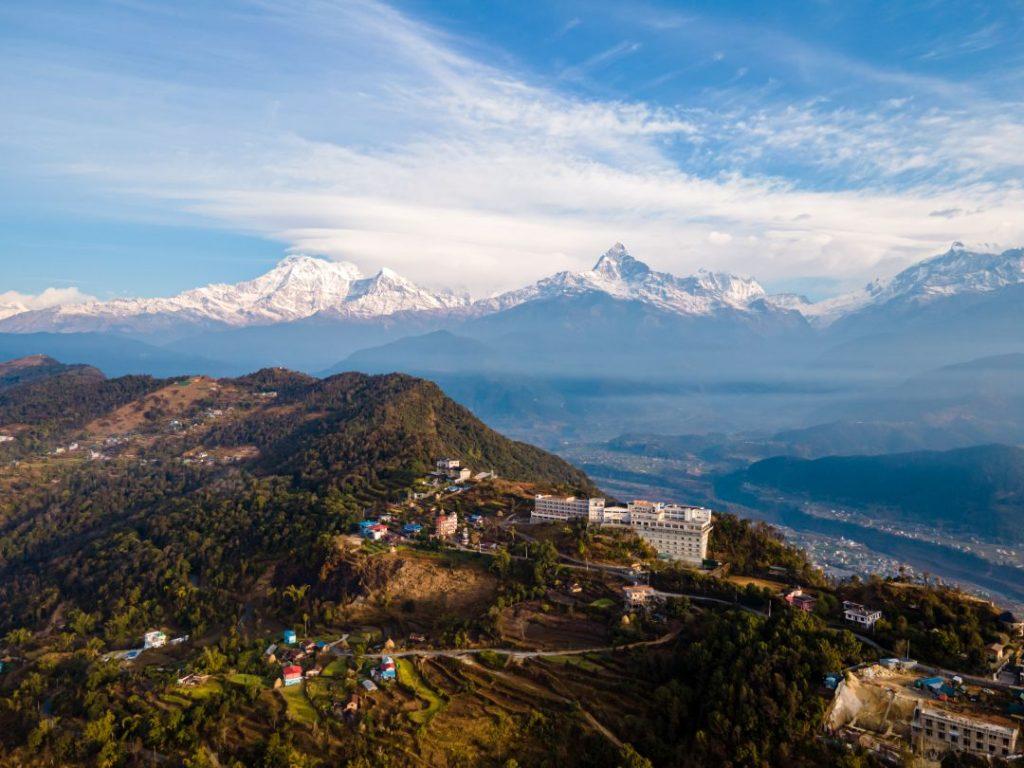
Drone view of Sarangkot viewpoint showing panoramic Himalayan mountain range, including Annapurna peaks, with mist-covered hills and Pokhara valley below.

Location and Accessibility

Sarangkot is located on a hill approximately 5 to 6 kilometres northwest of Lakeside. The journey takes around 30 to 40 minutes by taxi.

Unlike Lakeside, Sarangkot is not designed around convenience. It is a quiet hilltop destination focused on scenery and relaxation.

Atmosphere

Sarangkot offers a peaceful and rural environment. Travellers come here primarily for the Himalayan views and sunrise experience.

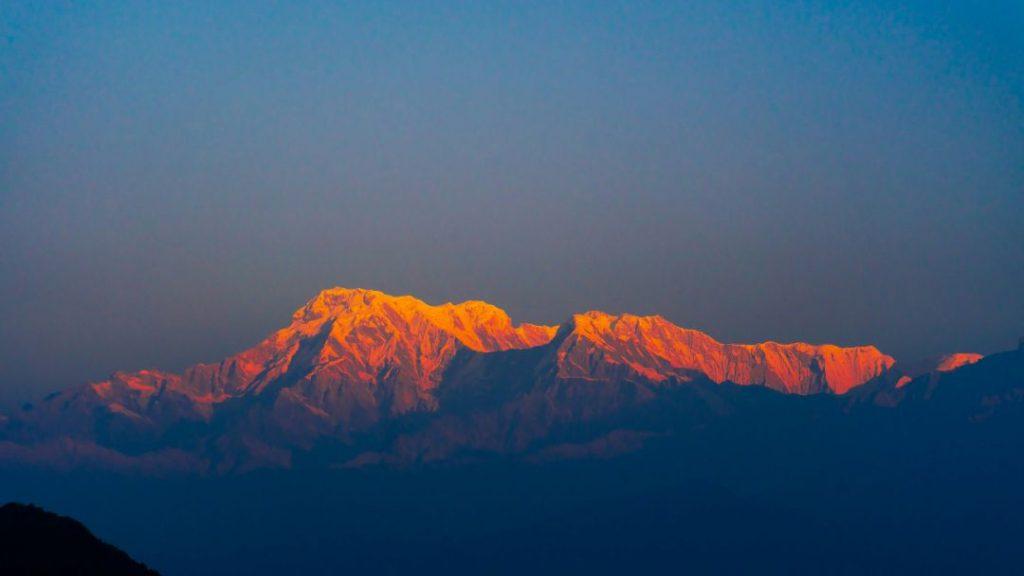
Mornings in Sarangkot are often the highlight of a Nepal trip. Watching the first sunlight illuminate the Annapurna range is an experience that attracts visitors from around the world.

Best Things to Do Near Sarangkot

Sarangkot is filled with various thrilling adventures that one can indulge themselves in during their visit. From experiencing the mesmerizing sunrise at the Himalayas to engaging in different adventurous sports, there are a lot of activities for every visitor. Some of the activities one can participate in are mentioned below:

  • Watch the sunrise over the Himalayas
  • Enjoy panoramic mountain views
  • Go paragliding
  • Explore local hiking trails
  • Photograph Annapurna and Machhapuchhre
  • Enjoy valley viewpoints

Advantages of Staying in Sarangkot

You may have been thinking about why Sarangkot should be considered an ideal place to stay in Pokhara. Sarangkot is known for offering amazing views of the mountains, beautiful environment, and sunrise. There are certain advantages of staying at Sarangkot.

  • Best mountain views in Pokhara
  • Incredible sunrise experience
  • Quiet and peaceful atmosphere
  • Ideal for photography
  • Close to paragliding launch sites

Disadvantages of Staying in Sarangkot

Like any destination, Sarangkot has both advantages and disadvantages. While it offers spectacular scenery and a peaceful atmosphere, there are a few factors visitors should consider before choosing to stay there. Some of the disadvantages of staying in Sarangkot include:

  • Limited restaurants
  • Requires taxi transportation
  • Unreliable internet
  • Fewer hotel options
  • Less convenient overall

Lakeside vs Sarangkot: Detailed Comparison

Lakeside and Sarangkot have unique characteristics, and choosing one over the other may not be easy because there are differences between them in terms of what they provide. For instance, Lakeside is characterised by its lively environment, beautiful lakes, eateries, nightlife, and convenience, while Sarangkot is popular for its serene environment and beautiful mountain views and sunrises. Here is a comparison between Lakeside and Sarangkot based on many significant aspects:

FeatureLakesideSarangkotWinner
Mountain ViewsMountain views are available from certain locations, but they are not as expansive as those in Sarangkot.Offers panoramic views of Annapurna, Machhapuchhre, Dhaulagiri, and other Himalayan peaks.Sarangkot
Lake ViewsLocated directly beside Phewa Lake, offering beautiful waterfront scenery, boating, and lakeside walks.Limited lake views due to its hilltop location.Lakeside
Food & DiningWide variety of restaurants serving Nepali, Indian, Tibetan, Italian, and international cuisine.Limited dining options, mainly guesthouse and hotel restaurants.Lakeside
NightlifeFeatures live music venues, bars, rooftop restaurants, and a vibrant evening atmosphere.Generally quiet after sunset with little nightlife.Lakeside
CostMore budget-friendly overall due to lower transportation expenses and greater accommodation choices.Additional transportation costs can increase the overall travel budget.Lakeside
Remote WorkReliable internet, numerous cafes, and coworking-friendly spaces make it ideal for digital nomads.Fewer remote work facilities and less consistent internet connectivity.Lakeside

Which Area Is Best for Your Travel Style?
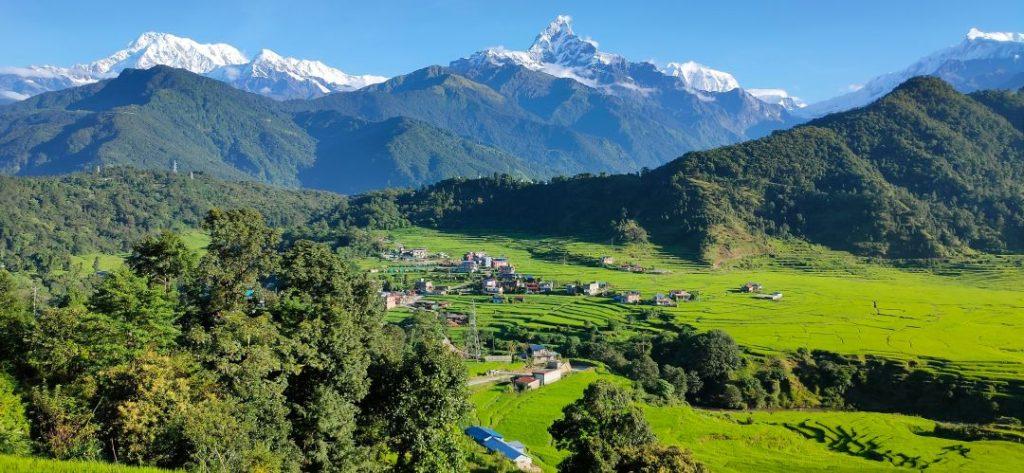
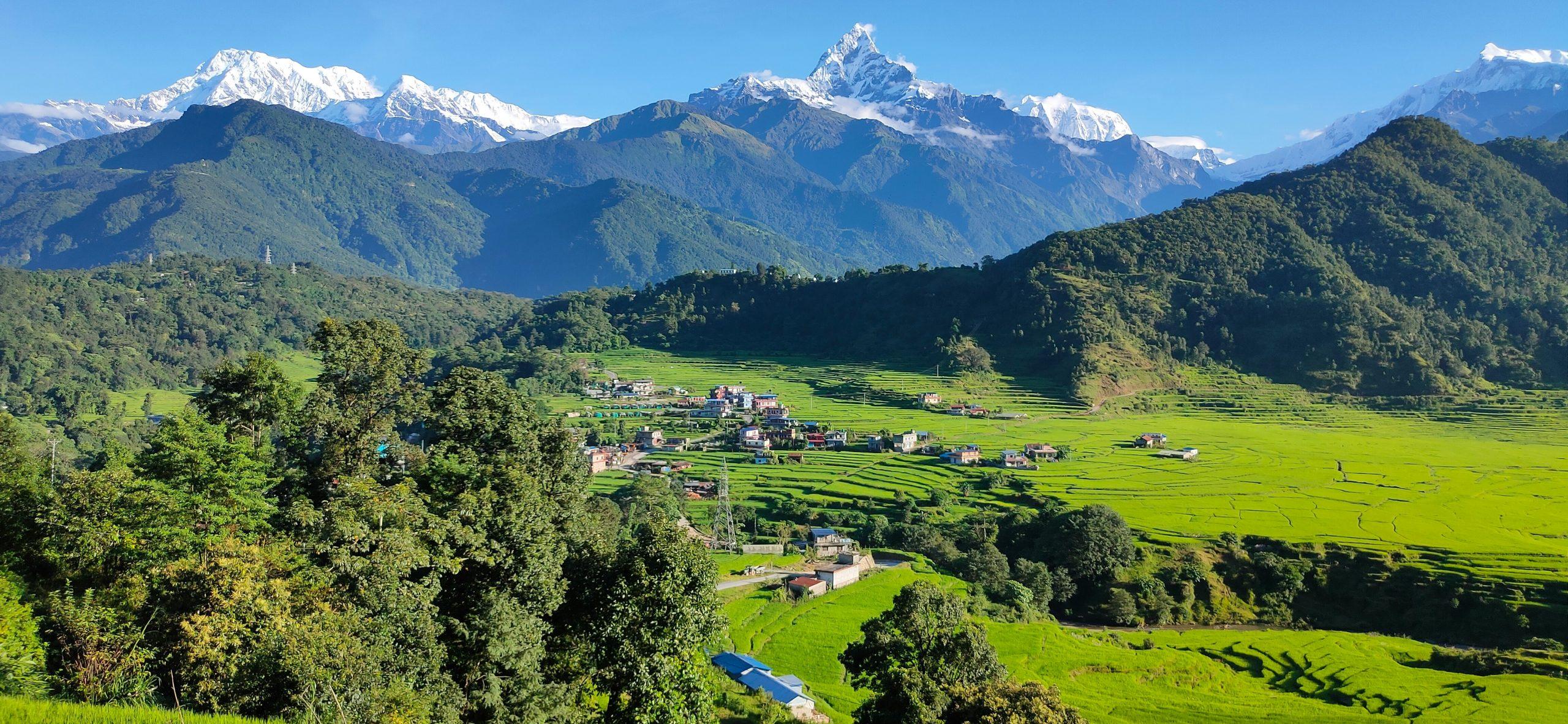
Pokhara, Nepal with lush green hills in the foreground and the Himalayan mountain range visible in the background under a clear sky. (image chosen for Lakeside vs Sarangkot blog)

Choosing either Lakeside or Sarangkot is not a simple matter since each one provides a different experience suited for various types of visitors. Whether it is nightlife, convenience, and lakeside food that you seek, or peace, mountain views, and breathtaking sunrises, it all depends on your type of traveller.

  1. First-Time Visitors

    Area Recommendation: Lakeside

As a new visitor to Pokhara, it would be best to stay in the Lakeside district since you can reach all the tourist spots, good eating joints, public transportation facilities, and adventure activities easily.

  1. Couples

Area Recommendation: Lakeside or Sarangkot

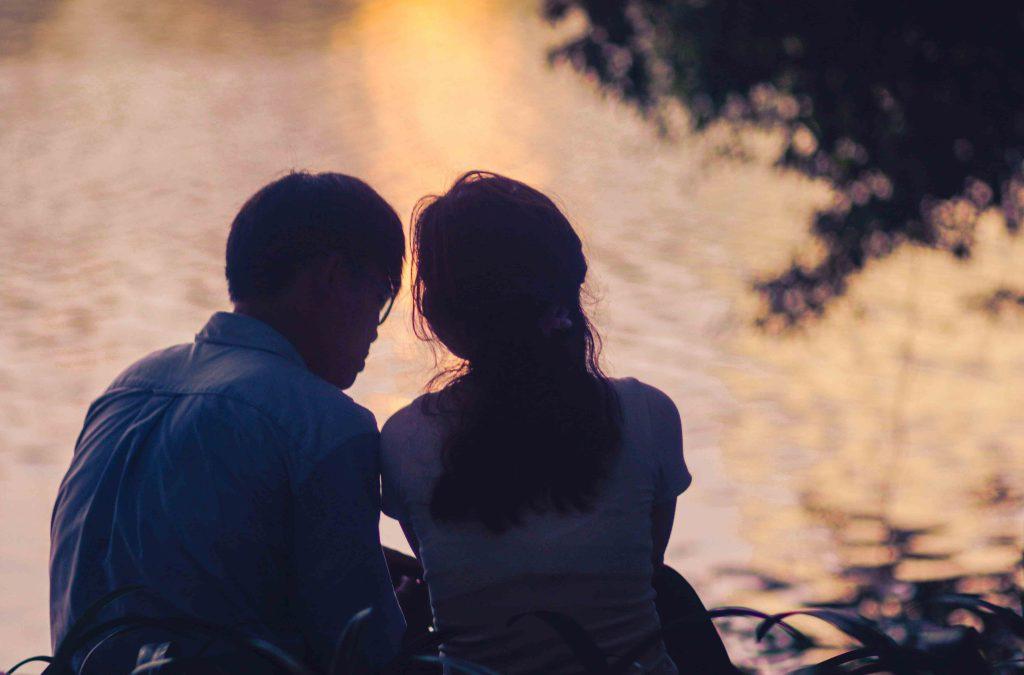
Both locations provide their unique ways of having romantic time together. While Lakeside will provide a beautiful lakeside evening walk and dining experience, Sarangkot will allow you to see the stunning mountains from there along with a beautiful sunrise. It will be possible for couples to stay at both places depending on their plans.

Based on your personal travel preference and budget, couples can even combine to stay in both types of lodgings for the perfect blend of comfort and scenery. For couples seeking affordable accommodations in Pokhara, you may also want to look into our budget hotel recommendations for couples in Pokhara.

  1. Families

Area Recommendation: Lakeside

Families prefer the area of Lakeside over Sarangkot because the former location allows easier transportation facilities along with diverse dining choices.

  1. Backpackers

Area Recommendation: Lakeside

Backpackers prefer the Lakeside area because of easy and economical accommodation options, cheaper public transportation services, and a social environment.

  1. Photographers

Area Recommendation: Sarangkot

One of the best areas to take photos and videos is definitely Sarangkot because the mountains, including the Annapurna range and Machhapuchhre, look really impressive at sunrise.

  1. Digital Nomads

Area Recommendation: Lakeside

Digital nomads should consider staying in Lakeside because internet connections are better there, along with plenty of cafes and coworking-friendly environments.

Common Mistakes Travellers Make

Most tourists in Pokhara often commit the mistake of selecting a place to stay without doing proper research on the matter. Since each traveller differs from another, one needs to choose a place according to his/her preferences. Here are some of the common mistakes that travellers make while visiting Pokhara:

Staying Only in Lakeside When Sunrise Is a Priority

If you dream about watching the sun rise above the Annapurna range, ensure that you spend at least one night in Sarangkot. It is one of the most beautiful places in the region, which offers some incredible views of the sunrise in the Himalayas.

Booking Multiple Nights in Sarangkot Without Planning Transportation

Pokhara taxi fares can be quite expensive and may cost you a lot of money if you depend on them for many trips during the day. You may not notice that you have already spent a considerable amount of money on those trips until you find out you don’t have enough to enjoy yourself.

Expecting Lakeside to Be Completely Quiet

The Lakeside area is a bustling spot for travellers that abounds with restaurants, cars, shopping, and entertainment. Thus, it is perfect for those who seek convenience and liveliness. But tourists who are in search of complete peacefulness might prefer the mountainous ambience of Sarangkot instead.

Best Itinerary: Stay in Both

If you have enough time, visiting both Lakeside and Sarangkot would provide you with a more integrated feeling of Pokhara.

3-Day Pokhara Trip

For those traveller that wish to explore Lakeside and Sarangkot in limited days, then the following 3-day schedule will be very useful for you. This travel plan includes both lively activities in Lakeside as well as the serene beauty at sunrise in Sarangkot.

Day 1: Arrival and Lakeside Exploration

Spend your first night at Lakeside and adjust yourself. For the evening, go out on exploration tours around the lakeside, cafes, and streets.

Day 2: Sunrise at Sarangkot and a Day in Town

On your second morning, have an early adventure to Sarangkot to witness the sunrise and watch the Annapurna mountain range from there. Later in the afternoon, return to Lakeside to spend your day at leisure or around Phewa Lake.

Day 3: Last day of sightseeing

Explore any attractions left in and around Phewa Lake or take a boat ride on the lake.

The three-day plan above is very convenient for travellers who like both the vibrancy of Lakeside and the serene sunrise at Sarangkot. In addition, this schedule ensures that you get enough rest while enjoying the various activities without being in a hurry.

As far as accommodation is concerned, it will be best for your trip if you select an accommodation style that suits your travel preferences, depending on whether you are looking for convenience or nature.If you need more information on the cost of your trip, you can refer to our article on the cost of a trip to Pokhara for 3 days.

5-Day Pokhara Trip

In case of a five-day visit to Pokhara, you will have plenty of time to experience the excitement of Lakeside as well as Sarangkot and other significant places. This allows you to experience the liveliness of Lakeside as well as witness the sunrise over the Himalayas.

Day 1: Arrival & Lakeside Discovery

Arrive at Pokhara and get checked in to Lakeside. Spend your time today in exploration of the lakeside area.

Day 2: Sarangkot Sunrise Tour

Early in the morning, go to Sarangkot to view the sunrise over the Annapurna Range. Come back and spend the rest of the day at Lakeside.

Day 3: Exploring Phewa Lake

This day will be spent exploring Phewa Lake. Take pleasure in going for boat rides, visiting Tal Barahi Temple, and just hanging out around Phewa Lake.

Day 4: Rest & Exploration

Take your time today as you leisurely travel to nearby viewpoints or sample some of the local cuisine.

Day 5: Departure

Relax until morning and then leave after checking out from Lakeside.

Conclusion

For most travelers, Lakeside is the best place to stay in Pokhara. It offers convenience, dining options, reliable internet, affordable accommodation, and easy access to attractions.

However, Sarangkot delivers something Lakeside cannot: spectacular Himalayan views and one of the most memorable sunrise experiences in Nepal.

If you have enough time, consider experiencing both. Stay in Lakeside for convenience and explore Pokhara’s attractions, then spend a night in Sarangkot to witness the sunrise over the Annapurna range.

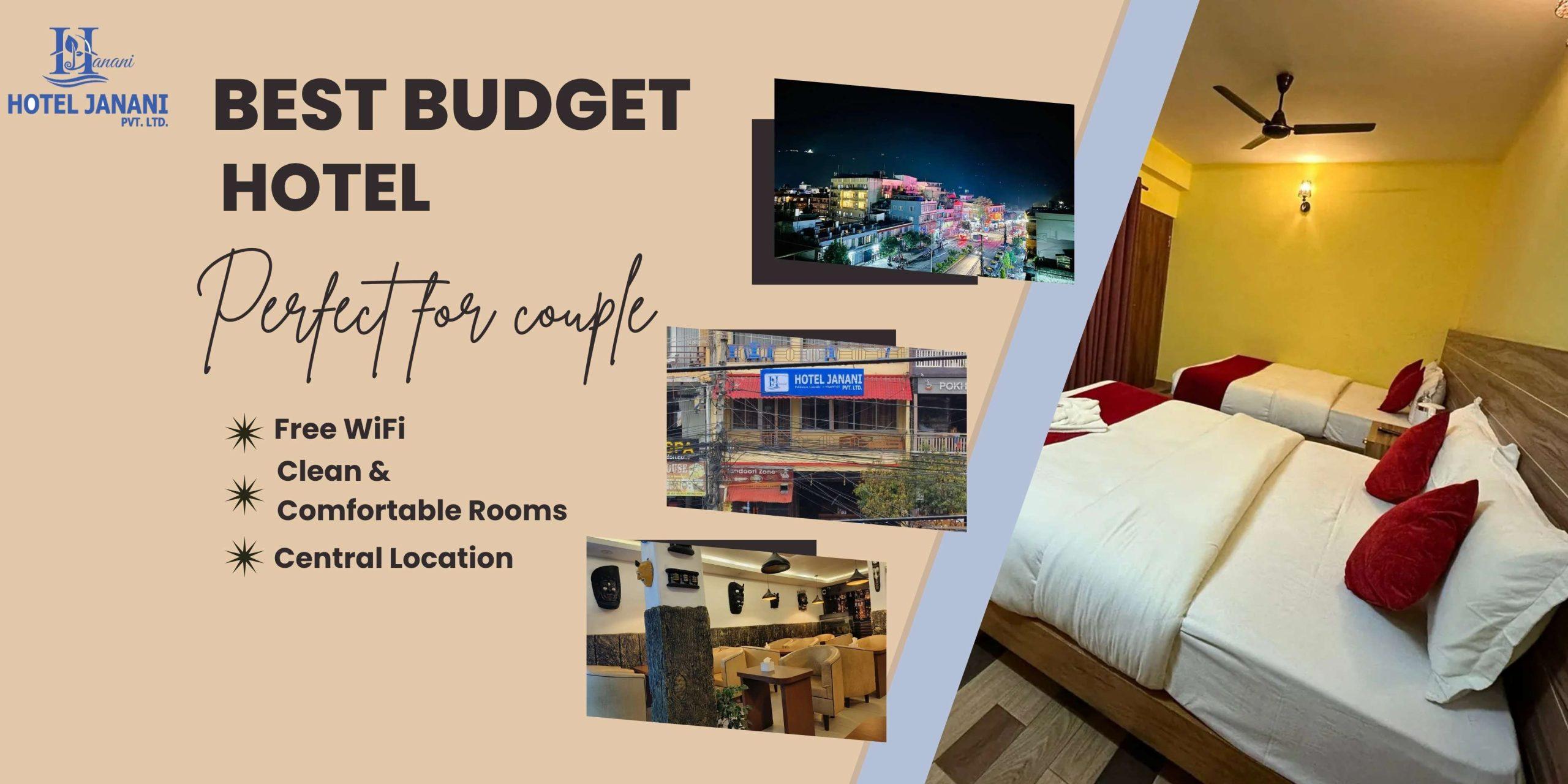
If you’re looking for a comfortable and affordable hotel in Lakeside Pokhara, Hotel Janani provides easy access to Phewa Lake, restaurants, transportation, and many of the city’s top attractions.

If you have any questions, you can reach out to us on Facebook for quick assistance.

Frequently Asked Questions

1. Is it better to stay in Lakeside or Sarangkot in Pokhara?

Lakeside is better for convenience, restaurants, nightlife, and easy access to attractions, while Sarangkot is ideal for peaceful stays and Himalayan sunrise views. Most travellers prefer Lakeside as a base and visit Sarangkot for a sunrise trip.

2. How far is Sarangkot from Lakeside Pokhara?

Sarangkot is approximately 10–12 km from Lakeside and takes around 30–45 minutes by taxi or local transport. The road is uphill, so early morning trips for sunrise are very common.

3. What is Sarangkot famous for in Pokhara?

Sarangkot is famous for its panoramic sunrise views over the Annapurna, Dhaulagiri, and Machhapuchhre (Fishtail) ranges. It is also a popular paragliding launch point overlooking Pokhara Valley and Phewa Lake.

4. Is Lakeside Pokhara worth staying in?

Yes, Lakeside is the main tourist hub of Pokhara, offering lakeside views, cafés, hotels, shopping, and nightlife. It is the most convenient area for first-time visitors and provides easy access to most attractions.

5. Can you visit Sarangkot from Lakeside in one day?

Yes, Sarangkot is commonly visited as a half-day or early morning trip from Lakeside. Most travellers go before sunrise, watch the view, and return to Lakeside by breakfast time to continue sightseeing.
7 Best Places to Visit in Pokhara: Top Attractions & Hidden Gems

Pokhara isn’t simply a place; it’s an experience. Situated by beautiful lakes with the Annapurna mountain ranges towering over it, Pokhara is the most favourite travel destination in Nepal for obvious reasons, whether you’re attracted by the adventure of paragliding through the misty valleys, relaxing in the tranquillity of a morning lake cruise on Phewa Lake, or experiencing the spirituality of historical caves and temples.

This guide has been prepared for people visiting the city for the first time, as well as for those travelling on a limited budget and couples planning a short vacation. At the conclusion of the guide, you’ll have all the information about the best destinations to visit, attractions that other travellers miss out on, and an itinerary for the entire trip.

Where Is Pokhara Located?

Pokhara is located in western Nepal, around 200 kilometres from Kathmandu. Known for its peaceful lakes, Himalayan mountain views, and adventure activities, Pokhara is one of Nepal’s most popular tourist destinations.

From famous attractions like Phewa Lake and Sarangkot to hidden gems around the valley, there are many beautiful places to visit in Pokhara for every type of traveller. Whether you enjoy nature, adventure, photography, or cultural experiences, the city offers something unique in every corner.

Most travelers spend 2-4 days exploring the top tourist attractions in Pokhara, including lakes, caves, waterfalls, viewpoints, and temples.

Top 7 Must-Visit Places in Pokhara

There are many wonderful places to explore in Pokhara, each offering something unique, such as lakes, viewing sites, caves, and even cultural sites. However, when it comes to exploring and experiencing Pokhara to the fullest, certain sites cannot be overlooked. There are 7 amazing sites of Pokhara which one definitely must see. Exploring these sites will be just like exploring an entire world in itself.

1. Phewa Lake: The Heart of Pokhara

Boats floating on Phewa Lake in Pokhara with Annapurna mountains in the background

If you’re looking for the most famous place to visit in Pokhara, Phewa Lake should be at the top of your list. It’s the kind of place where you can slow down, enjoy the view, and really feel the charm of Pokhara. The lake is peaceful in the morning, busy and lively in the afternoon, and beautiful again at sunset.

Why people usually visit Phewa Lake:

  • For boating: Visitors love renting a colorful wooden boat and enjoying a peaceful ride on the lake.
  • For temple visits: You can take a boat to Tal Barahi Temple, a small temple on an island in the middle of the lake.
  • For mountain views: On clear mornings, the lake reflects Annapurna and Machhapuchhre (Fishtail), making it a perfect spot for photos.
  • For sunset views: The lakeside area is one of the best places in Pokhara to watch the sunset.
  • For food and nightlife: After sunset, the Lakeside Road area comes alive with cafes, rooftop bars, restaurants, and street food stalls.
  • For a relaxed vibe: It’s a great place to sit, walk around, or just enjoy the calm atmosphere.

Best things to do here:

  • Rent a boat and explore the lake
  • Visit Tal Barahi Temple
  • Take photos of the mountain reflection
  • Enjoy a lakeside walk in the evening
  • Watch the sunset from Lakeside Road

Phewa Lake is not just a sightseeing spot  it’s the heart of Pokhara and one of the best places to experience the city’s beauty.

2. Sarangkot: Best Sunrise Viewpoint in Pokhara

Sunrise view from Sarangkot overlooking the Annapurna mountain range in Pokhara

Sarangkot is one of the most unforgettable places to visit in Pokhara, especially if you love mountain views and adventure. Famous for its incredible sunrise, this hilltop viewpoint attracts travelers from around the world every morning.

Most people start their trip before sunrise and head up the hill to watch the Annapurna range slowly light up with golden and pink colors. On clear days, the view of Machhapuchhre (Fishtail Mountain) looks absolutely stunning.

Why People Visit Sarangkot

  • Spectacular sunrise views over the Himalayas
  • Clear panorama of Annapurna and Machhapuchhre peaks
  • One of the best paragliding spots in the world
  • Peaceful hilltop atmosphere away from the busy city
  • Amazing photography and drone shots

Things to Do in Sarangkot

  • Watch the sunrise over the mountains
  • Try tandem paragliding over Pokhara and Phewa Lake
  • Enjoy tea or breakfast with mountain views
  • Take photos from the viewpoint tower
  • Explore nearby hiking trails and local villages

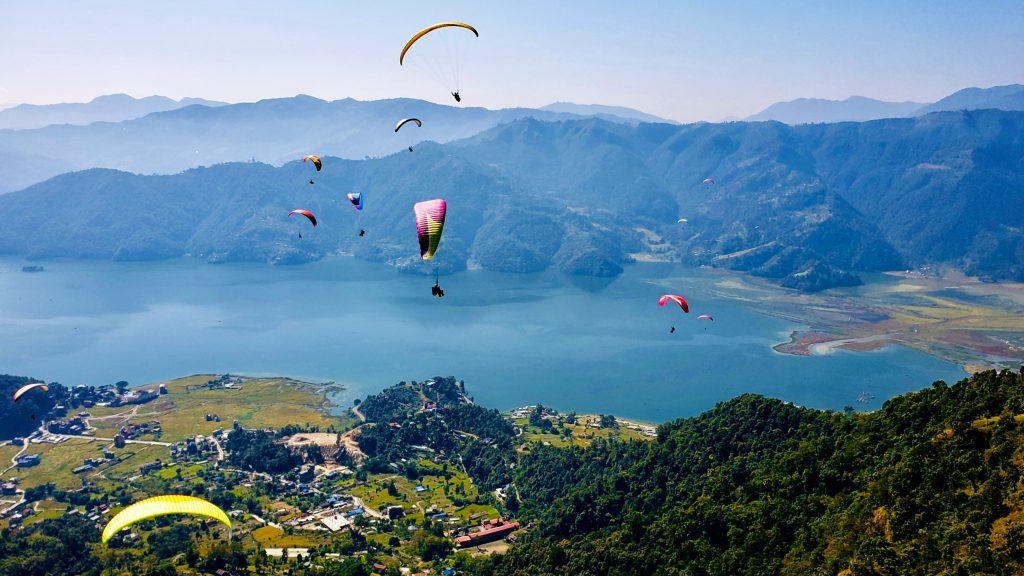
Paragliding Experience: Sarangkot is the main launch point for paragliding in Pokhara. Flying above the lake, green hills, and snowy mountains is an experience many travellers consider the highlight of their Nepal trip.

How to Reach Sarangkot

  • Around 20–30 minutes from Lakeside by taxi or scooter
  • Many hotels and guesthouses can arrange early morning transport
  • Hiking to Sarangkot is also popular for adventure travellers

Best Time to Visit

  • Early morning for sunrise and clear mountain views
  • October to April offers the best visibility

Travel Tip: Carry a light jacket in the morning because Sarangkot can be cold before sunrise, even during warmer months.

3. World Peace Pagoda: Panoramic Views and Serenity

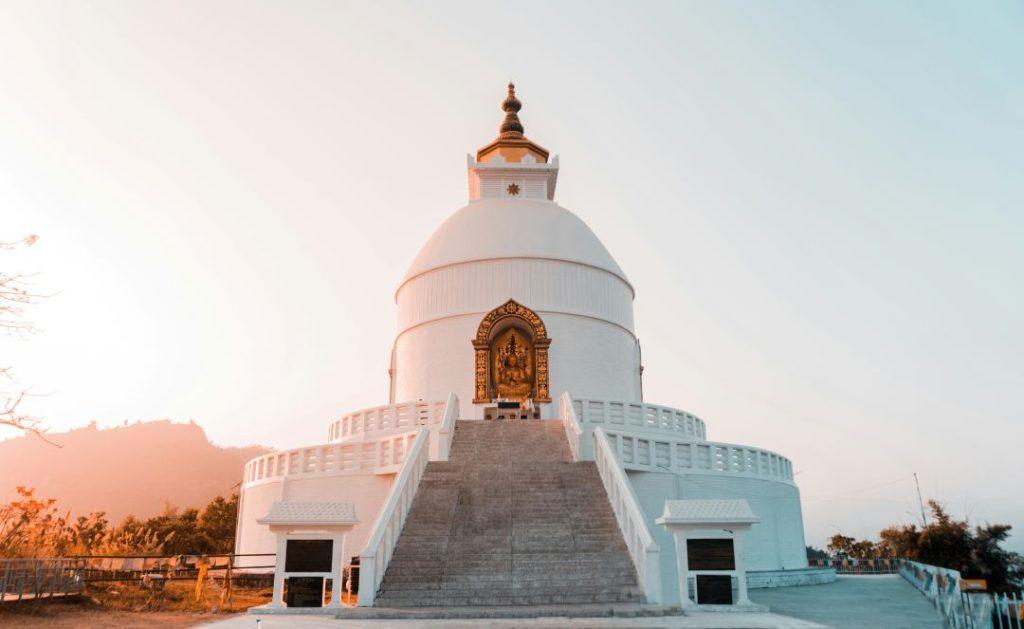
White World Peace Pagoda overlooking Pokhara valley and Phewa Lake

As one of the best vantage points in Pokhara to get a view of the entire city along with Phewa Lake and the Himalayas, this white stupa rests on a hill just south of Phewa Lake. The stupa itself looks serene and pretty from afar, which makes it the ideal destination for those who seek to relax amidst picturesque surroundings.

The Japanese Buddhist monks built the World Peace Pagoda not only for sightseeing but also for bringing peace into people’s lives from the very moment they reach there.

Why people usually visit the World Peace Pagoda:

  • For panoramic views: It offers some of the best views of Pokhara, Phewa Lake, and the Himalayas.
  • For sunset: The sunset from here is one of the most beautiful in Pokhara.
  • For a peaceful atmosphere: It’s quiet, calm, and perfect if you want a break from the busy lakeside area.
  • For hiking: Many visitors enjoy the short forest hike up to the pagoda.
  • For photography: The stupa, lake, and mountain views make it a great photo spot.

Best things to do here:

  • Enjoy the mountain and lake views
  • Watch the sunset
  • Take a short hike through the forest trails
  • Visit by boat and then walk uphill
  • Relax in the peaceful surroundings

How to reach the World Peace Pagoda:

  • You can hike up through forest trails
  • Or take a boat ride across Phewa Lake and then do a 20-minute uphill walk
  • Entry is free
  • Carry water and wear comfortable shoes

If you want a place in Pokhara that combines beauty, peace, and incredible views, the World Peace Pagoda is definitely worth visiting.

4. Davis Falls: Pokhara’s Famous Waterfall

Water flowing into the underground tunnel at Davis Falls in Pokhara

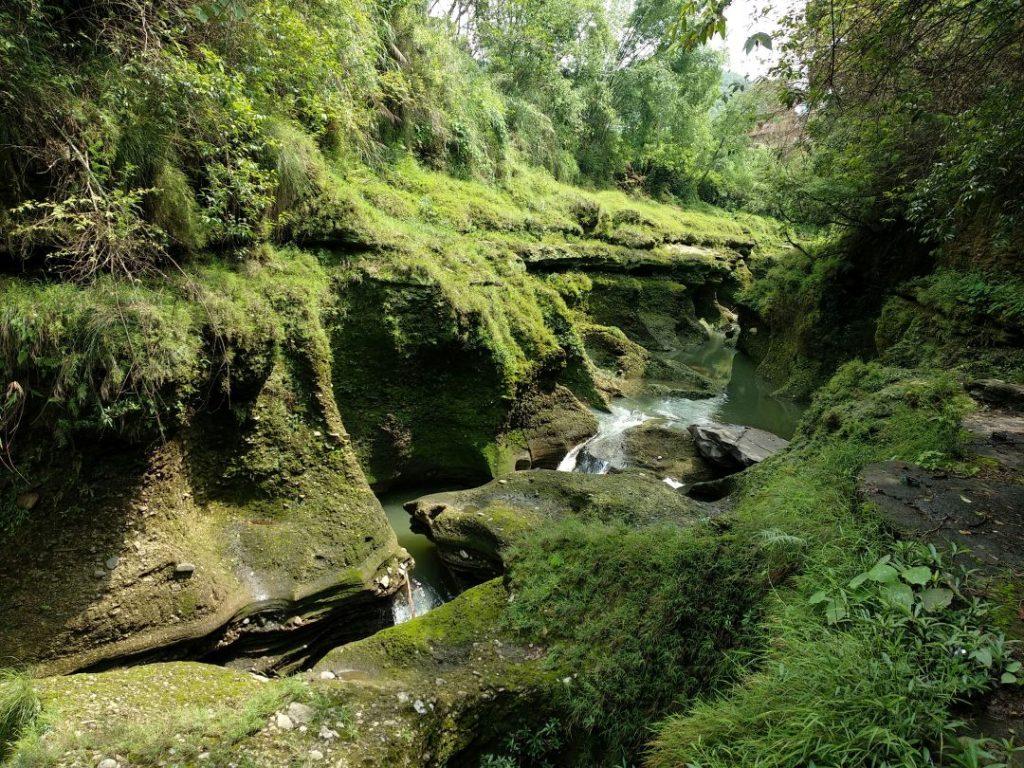
Davis Falls, also known locally as Patale Chhango, is one of the most unique places to visit in Pokhara. Unlike a regular waterfall, the water suddenly disappears into a deep underground tunnel, creating a powerful and dramatic sight.

The waterfall becomes especially impressive during the monsoon season when the water flow is strong and fast.

Why People Visit Davis Falls

  • Unique underground waterfall experience
  • One of the most famous tourist attractions in Pokhara
  • Great stop for quick sightseeing and photography
  • Easy to combine with Gupteshwor Cave nearby
  • Beautiful during monsoon and post-monsoon months

Things to Do at Davis Falls

  • Watch the waterfall disappear into the rocky tunnel
  • Explore the small park and viewing areas
  • Take photos from different viewpoints
  • Visit nearby souvenir shops and local stalls
  • Combine the trip with Gupteshwor Mahadev Cave

History Behind the Name: The waterfall is named after a Swiss tourist who sadly lost her life here in the 1960s after being swept away by the water. Since then, the place has become one of Pokhara’s most visited landmarks.

Entry Fee and Timing

  • Entry Fee: Around NPR 30 (may change)
  • Open daily

Best Time to Visit

  • July to September for the strongest waterfall flow
  • Morning or late afternoon for fewer crowds

Travel Tip: The paths around the waterfall can get slippery during monsoon season, so wear shoes with good grip.

5. Gupteshwor Mahadev Cave: Spiritual and Natural Wonder

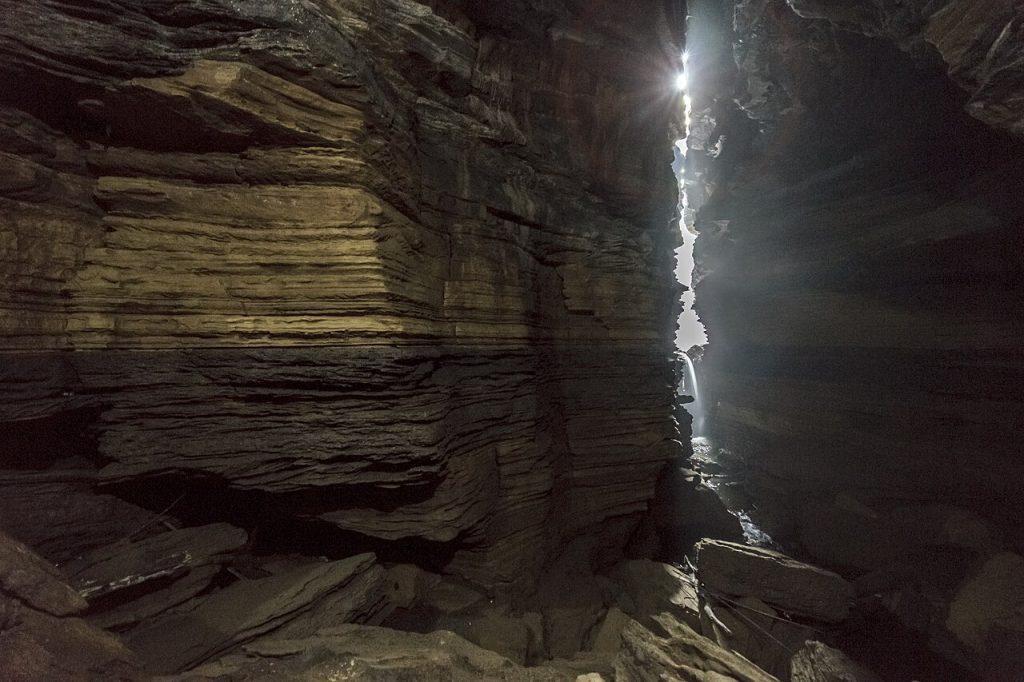
Entrance to Gupteshwor Mahadev Cave near Davis Falls in Pokhara

Just across the road from Davis Falls, you’ll find Gupteshwor Mahadev Cave, one of the most important religious sites in Pokhara. This cave is dedicated to Lord Shiva and is popular with both pilgrims and tourists.

As you go deeper inside, you’ll walk through narrow limestone passages and eventually reach a naturally formed Shiva lingam, which is the main spiritual attraction here.

What makes this cave even more interesting is the view from inside  there’s a spot where you can actually see Davis Falls from underground. It’s a unique experience that makes the visit memorable.

Why people usually visit Gupteshwor Cave:

  • For religious importance: It is a sacred Hindu site dedicated to Lord Shiva.
  • For the cave experience: Visitors enjoy exploring the long, rocky underground passages.
  • For the Shiva lingam: The naturally formed lingam is an important spiritual stop for pilgrims.
  • For the underground view of Davis Falls: You can see the waterfall from a different and unusual angle.
  • For its location: It’s right next to Davis Falls, so both places are easy to visit together.

Best things to do here:

  • Walk through the cave passages
  • Visit the Shiva lingam shrine
  • Look out for the underground view of Davis Falls
  • Learn about the religious and natural significance of the site

Travel tips:

  • The cave is well-lit and accessible
  • Some parts are narrow, so move carefully
  • Wear shoes with good grip

Gupteshwor Cave is a great stop if you want to add a mix of culture, spirituality, and adventure to your Pokhara trip.

6. Begnas Lake: The Quiet Alternative

Peaceful view of Begnas Lake surrounded by hills near Pokhara, Nepal

If you want a quieter alternative to Phewa Lake, Begnas Lake is a great choice. Located about 15 km east of Pokhara, this peaceful lake is much less crowded and offers a more relaxed experience.

It’s the kind of place where you can slow down, enjoy nature, and escape the busy tourist areas.

The surroundings are beautiful too, with small farms, forested hills, and local fishing communities giving the area a more authentic feel.

Why people usually visit Begnas Lake:

  • For peace and quiet: It’s far less crowded than Phewa Lake.
  • For boating: Visitors enjoy a calm and scenic boat ride.
  • For nature views: The lake is surrounded by hills, farms, and greenery.
  • For a local experience: It feels more natural and less commercial.
  • For fresh fish: Nearby teahouses often serve fish caught from the lake.

Best for:

  • Couples looking for a quiet spot
  • Solo travelers who enjoy nature
  • Visitors who want a break from the crowds
  • Anyone looking for a more peaceful side of Pokhara

Begnas Lake is perfect if you want to experience Pokhara in a slower and more relaxing way.

7. Pumdikot Shiva Statue – Pokhara’s Newest Trending Attraction

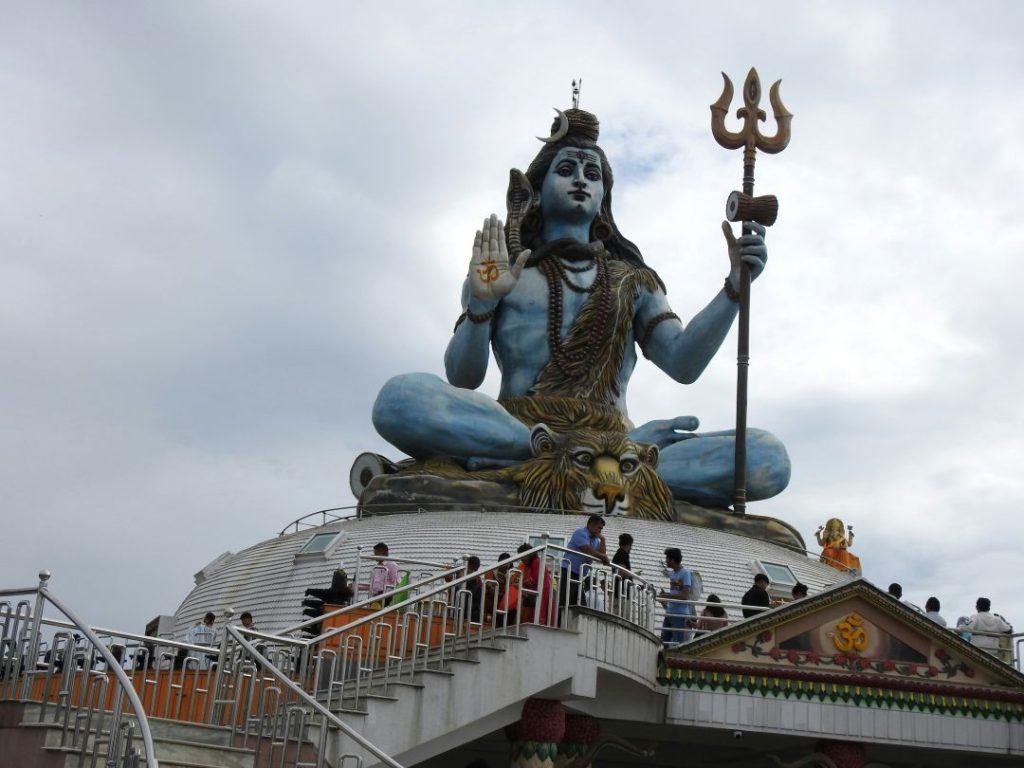
Large Shiva statue at Pumdikot hill overlooking Pokhara valley and mountains

If you’re looking for a newer and more impressive place to visit near Pokhara, Pumdikot Shiva Statue is one spot you shouldn’t miss. Standing 51 meters tall on the eastern hills of Pokhara, this giant statue is quickly becoming a favorite for travelers who want amazing views, a peaceful atmosphere, and a less crowded experience.

From the top, you can enjoy wide views of the Pokhara Valley, Phewa Lake, and the Annapurna range. It’s also a great place for sunrise and sunset, especially if you enjoy photography or scenic viewpoints.

Why people usually visit Pumdikot Shiva Statue:

  • For the huge Shiva statue: The massive statue is the main attraction and makes the site stand out.
  • For the views: You get beautiful 360-degree views of Pokhara, Phewa Lake, and the mountains.
  • For sunrise and sunset: It’s one of the best spots for golden-hour photography.
  • For a spiritual visit: Many visitors come here for religious and peaceful reasons.
  • For fewer crowds: It is still less crowded than many other popular Pokhara attractions.

Best things to do here:

  • Take photos with the giant Shiva statue
  • Enjoy the panoramic mountain and lake views
  • Visit during sunrise or sunset
  • Spend some quiet time in the peaceful surroundings

How to reach:

  • You can go by taxi or bike
  • The road to the top is accessible and fairly easy to reach

Pumdikot is a great stop if you want something grand, scenic, and still a little less touristy.

Hidden Gems in Pokhara Most people Miss

Looking for hidden places in Pokhara that go beyond the tourist trail? These spots reward the curious traveller:

  • Matepani Gumba: A hilltop Tibetan monastery with valley views and a calm, meditative environment
  • Bat Cave (Chamero Gufa): A short walk from Mahendra Cave; thousands of bats hang from the ceiling a surreal experience
  • Mahendra Cave: Stalactite-filled limestone cave with impressive formations
  • International Mountain Museum: One of the best museums in Nepal, dedicated to Himalayan climbing history and culture
  • Lakeside Backstreet Cafes: Step off the main road to find quiet garden cafes serving fresh coffee and homemade food
  • Local Village Walks: Ask your guesthouse (like Hotel Janani) about guided or self-guided walks through nearby Gurung villages

Best Adventure Activities in Pokhara

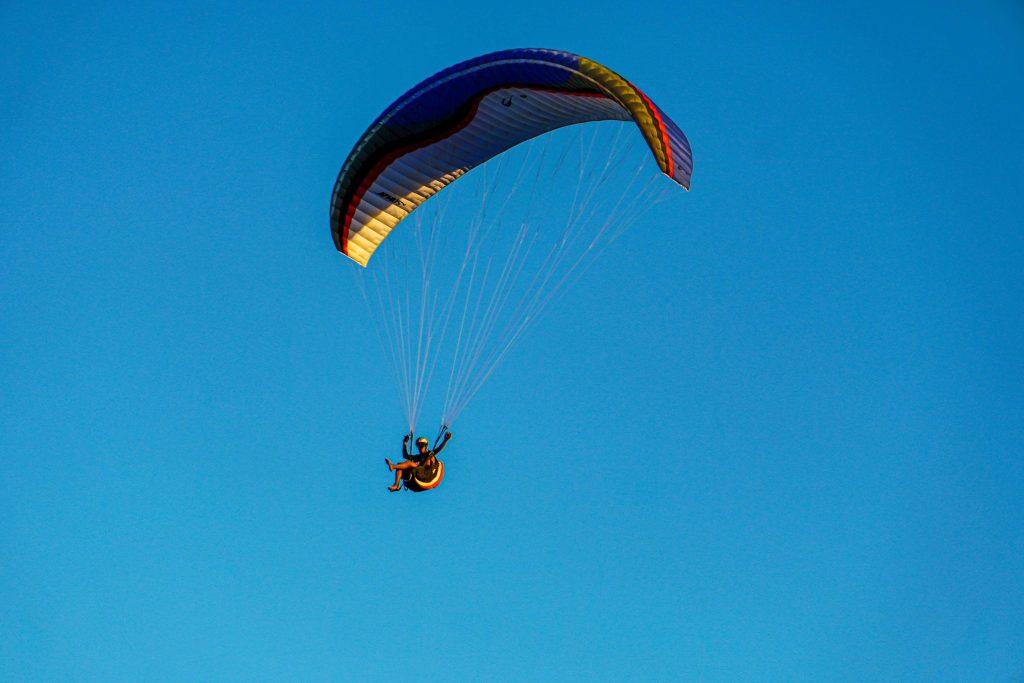
A person Paragliding in pokhara

Pokhara is not just about lakes and mountain views  it’s also Nepal’s top destination for adventure activities. Whether you enjoy extreme sports or scenic outdoor experiences, there are plenty of exciting things to try during your trip.

Popular Adventure Activities in Pokhara

  • Paragliding from Sarangkot
  • Zipline adventure near Sarangkot
  • Bungee jumping experiences
  • Ultra-light mountain flights
  • Boating and kayaking on Phewa Lake
  • Trekking routes to the Annapurna region

If you want detailed pricing, safety tips, best operators, and complete information about each activity, check out our complete guide on the best adventure activities in Pokhara.

The Ultimate 3-Day Pokhara Travel Plan

Day 1 – Lakeside Exploration

  • Morning: Boat ride on Phewa Lake + visit Tal Barahi Temple
  • Afternoon: Stroll Lakeside Road, rent a bike, explore cafes
  • Evening: Sunset from the lake promenade, dinner at a rooftop restaurant

Day 2 – Sunrise, Caves, and Views

  • 5:00 AM: Drive to Sarangkot for sunrise
  • Morning: Return, breakfast, visit Davis Falls and Gupteshwor Cave
  • Afternoon: Hike or boat to World Peace Pagoda
  • Evening: Meditation or sunset at the stupa

Day 3 – Adventure or Relaxation

  • Option A (Active): Paragliding from Sarangkot + zipline experience
  • Option B (Relaxed): Day trip to Begnas Lake + visit Pumdikot Shiva Statue at sunset

Want to know the estimated budget for hotels, food, transportation, and activities? Read our complete Pokhara trip cost for 3 days guide for a detailed breakdown. 

Pokhara Travel Tips for First-Time Visitors

Before visiting Pokhara, it helps to know a few practical travel tips to make your trip smoother and more enjoyable.

Essential Travel Tips

  • Taxis, e-rickshaws, and bike rentals are the easiest ways to get around Pokhara
  • Bike rentals usually cost around NPR 500–800 per day
  • Lakeside (Baidam) is the best area to stay for tourists because most attractions, cafes, and travel agencies are nearby
  • ATMs are easily available around Lakeside, but keep some cash for local shops and small restaurants
  • Buy a local SIM card like Ncell or NTC for affordable internet and mobile data
  • Don’t miss local foods like Thakali dal bhat, steamed momo, and fresh trout fish

Safety Tips

  • Confirm taxi prices before starting your ride
  • Book adventure activities only through trusted and registered operators
  • Keep small cash notes for local transportation and street vendors

If you’re visiting for the first time, read our complete Pokhara travel guide for first-time visitors for more detailed tips, transportation advice, and local recommendations.

Best Time to Visit Pokhara

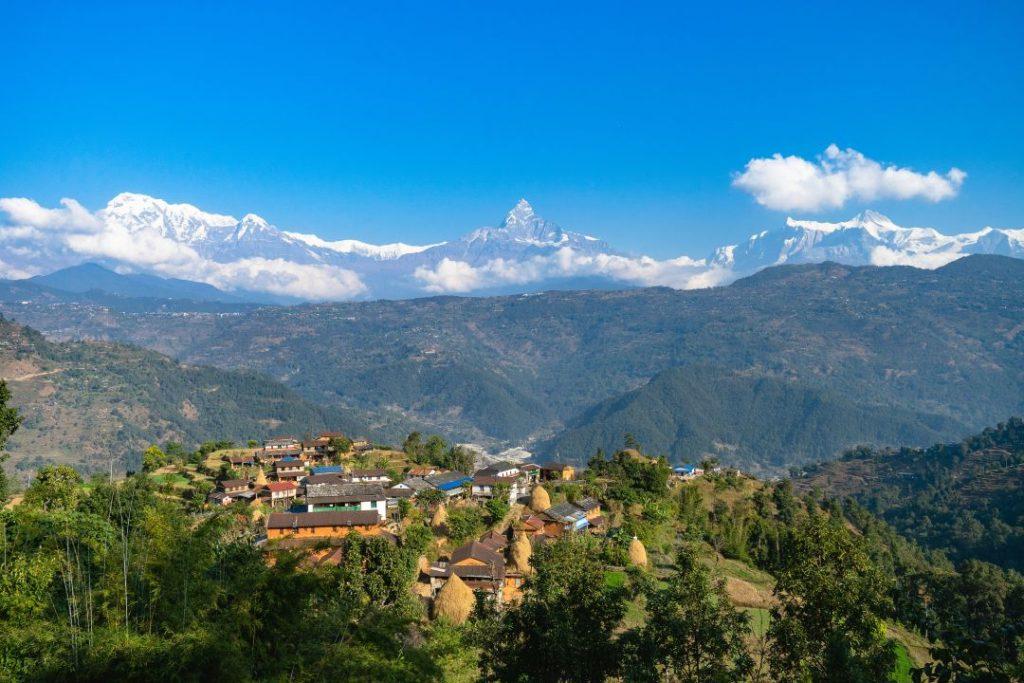
Image shows the aerial viiew of the  pokhara where it shows the pokhara small village

Pokhara can be visited throughout the year, but each season offers a different experience. Some months are perfect for mountain views and adventure activities, while others are better for peaceful travel and green landscapes. 

SeasonMonthsWhat to Expect
AutumnSept – NovClear skies, best mountain views, peak season
SpringMar – MayBlooming rhododendrons, warm weather, good visibility
WinterDec – FebPeaceful, fewer tourists, cold mornings, clear days
MonsoonJun – AugLush greenery, waterfalls full, rain likely daily


Want a complete seasonal breakdown with weather details, travel tips, and the best month for your trip? Read our full guide on the best time to visit Pokhara

Conclusion

Pokhara is one such unique place where all types of travellers will find something for themselves. You can experience the thrill of paragliding in the Himalayas, enjoy peaceful moments by Begnas Lake, or discover cave temples and monasteries on hills.

Based on your travelling mood, plan your trip to Pokhara. If you are looking for a hotel that suits you well in terms of location and budget, then Hotel Janani in Lakeside is just right for you.

Need help or more details? Reach out to us on Facebook we’re active and ready to respond.

Frequently Asked Questions 

1. What are the best places to visit in Pokhara?

Phewa Lake, Sarangkot, World Peace Pagoda, Davis Falls, and Gupteshwor Cave are among the most popular places to visit in Pokhara.
2. Which place in Pokhara is best for sunrise?

Sarangkot is the best and most popular sunrise viewpoint in Pokhara offering clear Himalayan views with stunning sights of Machhapuchhre and Annapurna range during sunrise

3. How many days are enough for Pokhara?

A 2 to 3 day trip is enough to explore Pokhara’s main attractions comfortably including sightseeing lake activities and sunrise viewpoints without rushing

4. What is the best time to visit Pokhara?

Autumn and spring are the best seasons for visiting Pokhara with clear mountain views pleasant weather and excellent visibility of the Himalayas

5. Is Pokhara good for adventure activities?

Yes Pokhara is one of the best destinations in Nepal for adventure activities like paragliding boating ziplining and trekking with a wide variety of experiences

Is Pokhara Safe to Visit in 2026? Safety Guide for Solo Travelers, Couples & Night Travel

If you’re planning a trip and wondering whether Pokhara is safe to visit, the short answer is yes. Pokhara is one of the safest and most welcoming tourist cities in Nepal. That said, it’s completely normal to have questions, especially if you’re traveling solo, as a couple, or planning to explore after dark.

This safety guide for Pokhara in 2026 will tell you everything you need to know about traveling to Pokhara alone, staying safe at night, the different scams travelers fall for, and even which parts of the city are best to stay in.

Is Pokhara Safe to visit for Solo Travelers?

Yes, Pokhara is very friendly to solo travelers, and thousands explore the city every year without serious problems.

The Lakeside area (also called Baidam) is the heart of tourist activity. It’s busy, well-lit, and full of cafes, restaurants, and guesthouses. Solo travelers feel comfortable here during both the day and evening.

Solo Travel Safety Checklist

SituationSafety LevelTip
Walking in LakesideVery SafeStick to the main strip
Using local transportModerateUse registered taxis only
Eating out aloneVery SafePlenty of tourist-friendly spots
Venturing off main roadsBe CautiousInform your hotel first

Is Pokhara safe for female solo travelers? 

Yes, and many women travel here alone every season. A few practical tips:

  • Avoid walking alone in dark or unfamiliar lanes at night
  • Dress modestly, especially away from the tourist areas
  • Carry a cross-body bag and keep valuables out of sight
  • Trust your instincts  if something feels off, walk away
  • Save the Pokhara Tourist Police number in your phone: +977-61-465048

The overall experience for solo female travelers in Pokhara is genuinely positive. The locals are helpful, the streets around Lakeside are active, and there are always other travelers around.

Is Pokhara Safe for Couples and Families?

image of lakeside pokhara where boat are being seen

Pokhara is a great destination for couples and families. The city has a relaxed, open atmosphere, and displays of affection between couples in public are generally accepted in tourist areas like Lakeside.

For families, Pokhara is a safe and child-friendly destination. Most concerns are practical rather than criminal, such as transport, accommodation, and safety around Phewa Lake. For couples who want affordable and comfortable stays in Lakeside, you can read our guide on Budget Hotels in Pokhara for Couples.

What Couples and Families Need to Know:

  • The selection of a hotel is important: It is better to stay at a well-recommended and well-reviewed popular hotel in Lakeside, as it provides safety, comfort, and relaxation. Don’t go for budget hotels in remote locations.
  • Phewa Lake is beautiful, but requires care around children; always supervise kids near the water.
  • Adventure activities like paragliding or zip-lining should only be booked through licensed operators. Avoid unusually cheap deals.
  • Shared taxis late at night can be risky. Always book a private, verified ride for your family.
Traveler TypeSafety RatingKey Concern
CouplesSafeHotel location
Families with kidsSafeWater safety near Phewa Lake
Groups of friendsVery SafePetty theft in crowded spots

Is Pokhara Safe at Night?

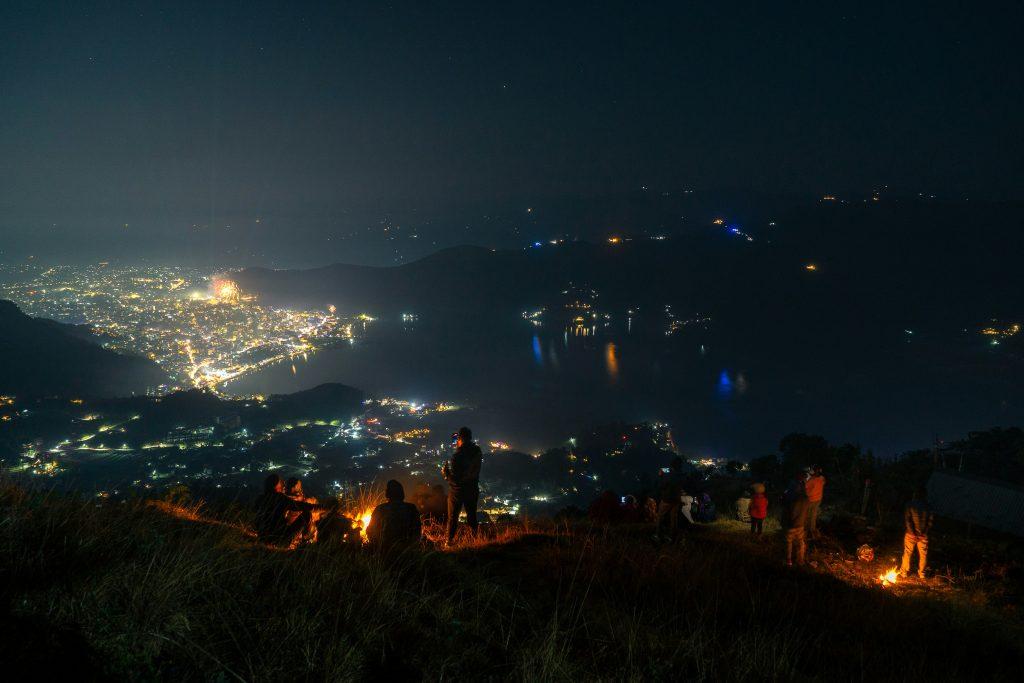
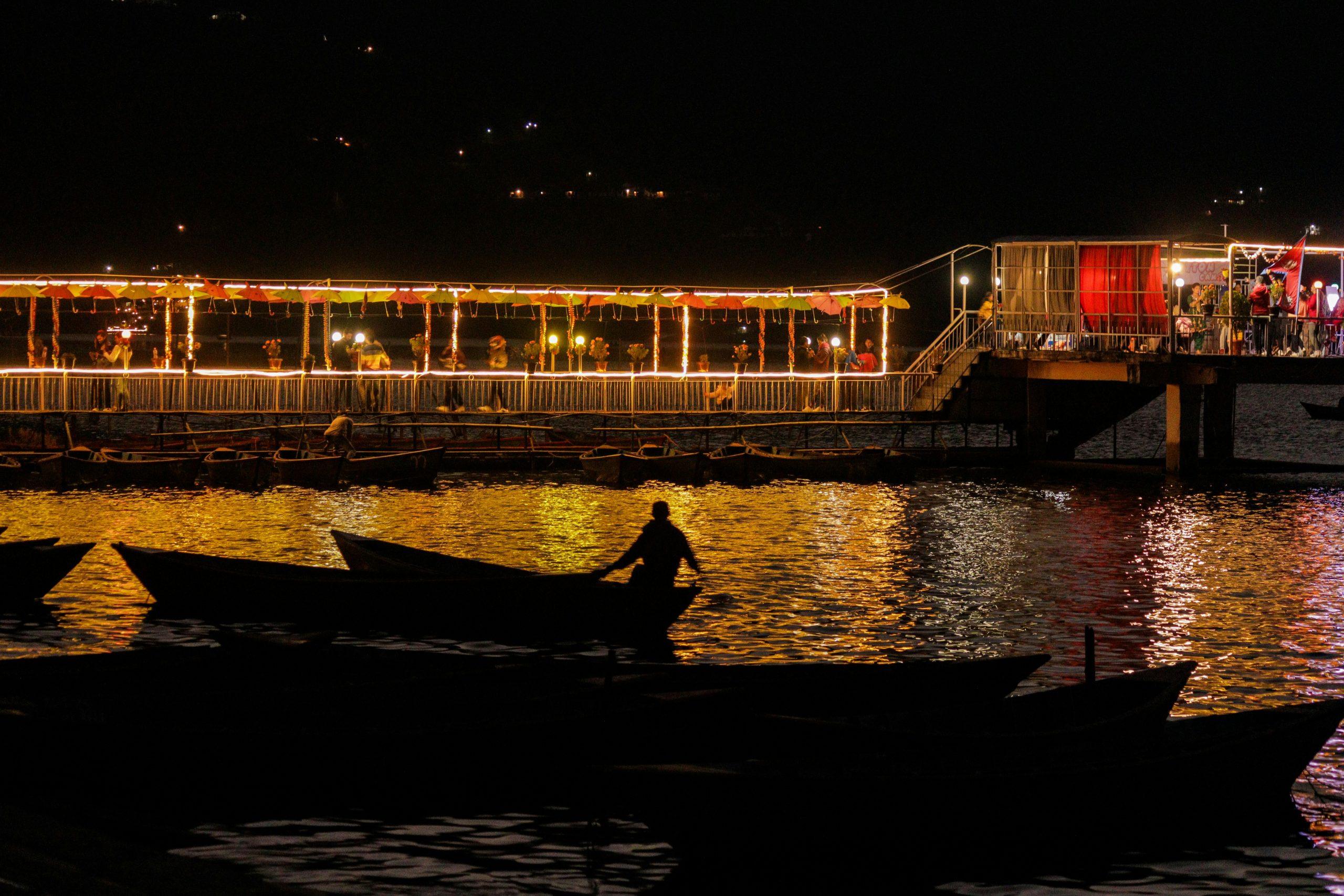
pokhara city view at night

Lakeside is active and lively at night; restaurants stay open late; the walkway along Phewa Lake has foot traffic; and it’s generally comfortable to walk around. That said, not all parts of Pokhara are equally safe after dark.

Safe at night:

  • Lakeside main road
  • Lakeside restaurants and cafes
  • Phewa Lake promenade

Risk areas at night:

  • Empty side streets
  • Unlit residential areas away from Lakeside

Pokhara Night Safety Tips

  • Stick to the Lakeside strip, well-lit, busy, and safe
  • Eat and socialize at established restaurants: avoid unknown alleyways
  • Use pre-arranged or registered taxis after dark. Don’t get into unmarked vehicles
  • Avoid walking alone in dark, empty areas, especially away from the main tourist zone
  • Don’t share taxis with strangers late at night

A good rule of thumb: If there are other tourists and open businesses around you, you’re in a safe zone.

Safe Areas to Stay in Pokhara

Choosing the right neighborhood is the single most important safety decision you’ll make before arriving.

Lakeside is the safest and most convenient area for tourists in Pokhara. Here’s why:

FactorDetails
WalkabilityMost attractions are within walking distance
Restaurants & CafesHundreds of options, all tourist-friendly
Nighttime SafetyWell-lit main road, constant foot traffic
Emergency AccessClose to tourist police and medical facilities
Transport LinksEasy taxi and local transport access

Staying in Lakeside is highly recommended for safety and convenience because this area offers a wide range of accommodation options, including mid-range guesthouses, boutique hotels, and lake-view stays. From here, you’ll be within walking distance of cafes, boating areas, and various adventure activities. You can also explore the top activities in Lakeside Pokhara to better plan your trip.

Common Scams and Risks in Pokhara

Pokhara has a low crime rate compared to most tourist cities in Asia, but petty tourist scams do exist. Knowing what to watch for keeps you one step ahead.

Scams to Watch Out For

  • Taxis: Never book a taxi without agreeing on a price first; even better, take a metered cab.
  • Adventure sports salesmen: People trying to sell you paragliding or rafting tours at very cheap rates often skimp on safety gear.
  • Fake “tourist offices”:  Some shops near popular areas pose as official tourist information centers. Always check Google reviews before paying for anything.
  • Rickshaw or cycle taxi overpricing: Fun, but negotiate first.
  • Gem/carpet deals: A classic tourist trap. If a stranger insists you’ll make a profit reselling items at home, walk away.

Crime Rate in Pokhara, Nepal

Crime TypeRisk Level
Violent crimeVery Low
PickpocketingLow – Moderate (crowded areas)
Taxi scamsModerate
Serious theftVery Low
HarassmentLow (can occur for female travelers)

The overall crime rate in Pokhara is genuinely low, and most travelers complete their visits without incident. For a complete overview of Pokhara, including travel tips, attractions, and trip-planning details, you can read our Pokhara Travel Guide

Travel Safety Tips for Pokhara

Here’s a practical summary of travel safety in Pokhara to help make your trip smooth and stress-free.

Before You Arrive

  • Book a verified, well-reviewed hotel  ideally in Lakeside
  • Purchase travel insurance that includes medical evacuation
  • Save emergency contacts: Tourist Police (+977-61-465048), your hotel, and your country’s embassy

While You’re There

  • Ride only in registered taxis. Have your hotel make arrangements for you if you are uncertain.
  • Have copies of your passport and visa documents kept separate from the originals.
  • Tell the hotel’s front desk about your schedule for the day.
  • Take a small backpack with you during the day and do not show off any valuables.
  • Stay near Lakeside for all activities.

Quick Safety Summary

Do This Avoid This 
Stay in the Lakeside areaStaying in isolated, cheap guesthouses far from the tourist zone
Use registered taxisGetting into unmarked or unmetered vehicles
Book activities through licensed operatorsAccepting deals from street touts
Keep valuables secureCarrying everything in one bag
Inform your hotel of your plansWandering in unfamiliar areas alone at night

If you’re choosing accommodation in Lakeside, it’s also useful to understand your total travel budget. Check our Pokhara Trip Cost for a 3-Day Guide. 

Is Pokhara Safe to visit in 2026?

Pokhara is one of the safest tourist cities in Nepal in 2026. It is generally safe for solo travelers, couples, and families, especially in the Lakeside area. The main risks are minor scams and petty theft, not violent crime.

The city has a genuinely low crime rate, a well-established tourist infrastructure, an active tourist police presence, and a local population that depends on and welcomes tourism. Lakeside, in particular, is safe, walkable, and lively day and night.

But that doesn’t mean you can be careless. As in any place you visit, safe traveling tips apply:

  • Choose your hotel location wisely (Lakeside = best choice)
  • Use registered transport
  • Know the common scams
  • Trust your instincts

Pokhara rewards careful, prepared travelers with stunning lake views, warm hospitality, and an experience that’s hard to forget. If you’re planning your stay, Hotel Janani in Lakeside offers a safe, central, and comfortable base to explore everything this beautiful city has to offer.

Travel smart, stay safe, and enjoy Pokhara. To know more travel tips, updates, and local insights about Pokhara, follow us on our Facebook page.

Frequently Asked Questions

1. Is Pokhara safe for solo travelers in 2026?

Yes, Pokhara is considered one of the safest cities in Nepal for solo travelers. Tourist areas like Lakeside are active, well-connected, and popular among international visitors. Solo travelers should still follow basic precautions, especially at night.

2. Is it safe to walk around Lakeside Pokhara at night?

Lakeside is generally safe to walk around at night because it remains busy with tourists, restaurants, and cafes. However, it is better to avoid isolated streets or quiet lakeside areas late at night.

3. Which area is safest to stay in Pokhara for tourists?

Lakeside is the safest and most convenient area for tourists in Pokhara. It offers easy access to hotels, restaurants, transportation, tour agencies, and emergency services.

4. Is Pokhara safe for couples and female travelers?

Yes, Pokhara is widely considered safe for couples and female travelers. Many visitors choose Pokhara for its peaceful atmosphere, friendly locals, and relaxed travel experience compared to busier cities.

5. What are the biggest safety risks in Pokhara?

The main safety concerns in Pokhara are road accidents, monsoon-related travel issues, and tourist scams such as overpriced taxis and tours. Violent crime against tourists is relatively rare.

Budget Hotel in Pokhara for Couples: Affordable & Romantic Stays 2026

Pokhara is one of Nepal’s most romantic spots for couples, with its stunning Annapurna range making early mornings by Phewa Lake and late nights of lakeside strolls and rooftop dining all the more magical.

But while the experience feels magical, finding a budget hotel in Pokhara for couples that offers both privacy and comfort can be confusing, especially for first-time visitors.

The best option for most travelers is Lakeside, where affordable hotels are close to the lake, restaurants, and nightlife, making it easy to enjoy Pokhara without overspending.

Why Lakeside Is the Best Area for Couples in Pokhara

Lakeside pokhara image where multiple of boat are being seen in the lake  captured by budget hotel in pokhara for couples

Lakeside is the most preferred area for couples staying in Pokhara because it offers the right balance of privacy, comfort, and convenience without requiring a high budget.

Budget accommodations, including hotels, guesthouses, and even boutique hotels, are available here; therefore, couples can get affordable, clean, and comfortable rooms away from the crowds.

Another major advantage is location. Phewa Lake is just a short walk from almost any hotel in Lakeside. This makes it easy to enjoy early-morning lake views, boat rides, and sunset walks without dealing with transportation or long travel times.

For couples, Lakeside is simply the perfect destination. Everything is literally at your doorstep. You can wake up, take a stroll, or have a late dinner. Safety and accessibility are also strong reasons couples prefer this area. It is tourist-friendly, well-lit, and active throughout the day, making it comfortable even for first-time visitors.

Overall, Lakeside stands out because it combines affordability, privacy, and romantic surroundings in one place, something few other areas in Pokhara can offer. For a detailed breakdown of the best stay options in this area, check our guide on the best hotels in Lakeside Pokhara.

What does a budget hotel in Pokhara for Couples Cost in 2026?

Budget hotels in Pokhara usually cost from NPR 1,500 to NPR 4,000 per night. Lakeside hotels are slightly more expensive than other hotels, but offer a higher level of comfort and convenience.

Budget Hotel Price Breakdown in Pokhara (2026)

Price Range (NPR)What You GetBest For
1,500-2,000Basic private room, attached bathroom, fan or basic ACUltra-budget travelers who only need a clean place to sleep
2,000-3,000Comfortable double bed, hot shower, WiFi, sometimes balcony or garden viewBest value for couples (sweet spot)
3,000-4,000Better rooms, mountain/lake views, improved bedding, more privacyCouples who want comfort during peak seasons

Best Budget Hotel in Pokhara for Couples near lakeside

1. Budget Couple-Friendly Stay (Quiet & Private Rooms)

Price: NPR 2,000–3,000 per night
Location: Central Lakeside (5-minute walk to Phewa Lake)

Reasons to go for this kind of stay:

  • Quiet rooms away from street noise
  • Strong privacy (ideal for couples)
  • Clean double beds with fresh linen
  • Staff that respects guest privacy

Features commonly available:

  • Free WiFi
  • Hot shower
  • Room service
  • Couple-friendly check-in policies

2. Mid-Range Stay with Mountain or Rooftop Views

Price: NPR 2,500–3,500 per night
Location: North Lakeside

Reasons to go for this kind of stay:

  • Rooftop or balcony with proper Annapurna views
  • Calm and scenic environment
  • Spacious, well-maintained rooms
  • Good access to both the lake and the city side

Features commonly available:

  • Balcony rooms
  • 24-hour reception
  • Reliable WiFi
  • Filtered drinking water

3. Budget Garden-Style Retreat Stay

Price: NPR 1,800–2,800 per night
Location: South Lakeside

Reasons to go for this kind of stay:

  • Peaceful garden environment
  • Extremely peaceful at night
  • Relaxing ambience
  • Personal experience rather than impersonal hotel accommodations

Features commonly available:

  • Garden sitting area
  • Tiny in-house cafe
  • Bicycle rental
  • Clean bathrooms

4. Comfort Stay with Spa and Additional Amenities

Price: NPR 2,500-3,200 per night
Location: Central Lakeside

Reasons to go for this kind of stay:

  • On-site spa or massage services
  • Clean, well-maintained rooms
  • Better sound insulation
  • Slight luxury feel without high pricing

Features commonly available:

  • Spa & massage services
  • In-house restaurant
  • Private bathrooms
  • Selected lake-view rooms

5. Ultra-Budget Private Stay Option

Price: NPR 1,500-2,200 per night
Location: North Lakeside

Reasons to go for this kind of stay:

  • Very affordable private rooms
  • Clean and simple setup
  • Family-run hospitality
  • Strong focus on privacy at low cost

Features commonly available:

  • Hot water
  • Free WiFi
  • Quiet rooms
  • Budget breakfast option

Pokhara offers many budget stay options for couples, but Lakeside remains the best area for comfort, privacy, and convenience. Most couples get the best value from mid-range or quite private stays close to Phewa Lake. For detailed options, check our guide on budget hotels in Pokhara Lakeside

What Makes a Budget Hotel in Pokhara Ideal for Couples?

Not every hotel that accepts couples is genuinely couple-friendly. Before you book, here’s what actually matters:

  • Privacy: Rooms should be well separated from corridors and other guests. Thin walls and noisy neighbors are deal breakers.
  • Quiet environment: Street-facing rooms on busy Lakeside roads can get noisy. Ask for rooms set back from the main road.
  • Cleanliness: Non-negotiable. Check recent reviews specifically for bathroom cleanliness and linen quality.
  • Staff attitude: Friendly, professional, and non-intrusive. You don’t want staff who knock repeatedly or make assumptions about unmarried couples.
  • Easy check-in: Flexible check-in/check-out times and no unnecessary document hassle matter more than most couples realize.

Things to Check Before You Book

  • Noise level: Check whether the hotel is on the main strip or a quieter side lane. Google Maps satellite view helps.
  • Distance to Phewa Lake: “Near Lakeside” can mean anything from 2 minutes to 15 minutes. Verify the actual walking distance.
  • Recent reviews: Sort by most recent on Google or Booking.com. Hotels can change quickly a great review from 2022 means less in 2026.
  • Room type clarity: Make sure you’re booking a private double room with an attached bathroom. Some listings use confusing terminology. Read the room description carefully.

Lakeside vs Other Areas: An Honest Comparison

Choosing the right area to stay in Pokhara can significantly impact your overall experience, especially for couples. While places like Damside and Sarangkot offer quieter or more scenic settings, they often lack the convenience and accessibility that most travelers prefer.

The comparison below provides a clear overview of how these areas differ, helping you decide which location best suits your travel style and comfort needs.

AreaBest ForProsConsCouple Suitability
LakesideCouples, first-time visitors, and general staysWalking distance to Phewa Lake, great cafes and restaurants, plenty of budget hotels, and a romantic, convenient atmosphere.Slightly higher prices than in the outer areasBest choice
DamsideBudget travelers, quiet staysCheaper accommodation, less crowded, peaceful environmentLimited dining options, less lively atmosphere, not very romanticNot ideal for couples
SarangkotView seekers, sunrise loversStunning Himalayan sunrise views, peaceful mountain settingFar from the city, requires transport for food/activities, not walkableGood for a short scenic stay, not a full trip

Lakeside is clearly the best choice for couples visiting Pokhara, offering the perfect balance of convenience, privacy, and a romantic atmosphere. Most budget hotels, cafes, and attractions on Phewa Lake are within walking distance, making it the most practical and enjoyable area to stay.

For couples looking for affordable and comfortable options in this area, you can check our detailed guide on budget hotels in Pokhara Lakeside.

Best Things to Do Near Lakeside

near lakeside enjoying the view of pokhara lake
  • Boat on Phewa Lake: Rent a wooden rowboat for an hour or two. Paddle toward the Tal Barahi temple island. Best in the early morning when the lake is calm.
  • Sunset walk along the lakeside promenade: No planning required, just walk along the waterfront as the Annapurna range turns gold.
  • Dinner at a rooftop cafe: You can enjoy a variety of food in Lakeside, from traditional Nepali dishes to international cuisine, as the area is filled with restaurants and cafes offering plenty of choices. For a detailed guide on where to eat, check out our best places to eat in Pokhara Lakeside.
  • Evening on the main strip: Lakeside has a relaxed nightlife scene, live music bars, night markets, and street food. Not overwhelming, just enough for a nice evening out.

Ready to Book Your Lakeside Stay?

Everything you need for a successful couples visit can be found at Lakeside Pokhara, with privacy, lake access, and budget hotels that offer real comfort. If you are planning a short vacation or adding Pokhara to a longer Nepal trip, it helps to first understand the overall budget and expenses in detail, which you can check in our guide on the Pokhara trip cost for 3 days in 2026 

In October/November and March/April, Pokhara quickly fills up. If you have any dates during the peak trekking period, make sure to secure your hotel two to three weeks in advance. This is because the most affordable rooms get booked first, and late bookings are always costly.

With hotels such as Hotel Janani, a simple, couples-oriented accommodation in the middle of Lakeside at an affordable rate is easy to find. All you will have to do is book early, confirm the room type upon arrival, and let the rest take its course.
For more travel tips, hotel updates, and deals in Pokhara, you can also follow us on our Facebook page: Hotel Janani Facebook Page.

Frequently Asked Questions

1. How much do budget hotels in Pokhara cost for couples in 2026?

Budget hotels in Pokhara (Lakeside) typically range from NPR 1,500 to NPR 4,000 per night for a double room. The best value for couples is usually NPR 2,000–3,500, which includes a clean room, hot shower, WiFi, and often a balcony. Prices increase 20–40% during peak seasons (Oct–Nov and Mar–Apr).

2. Which area in Pokhara is best for budget hotels for couples?

Lakeside is by far the most popular and recommended area. It offers easy walking access to Phewa Lake, restaurants, boat rides, and nightlife, with plenty of budget and mid-range options. Damside is cheaper but less romantic and lively. Sarangkot is great for views but not ideal for a full-budget stay.

3. Are unmarried couples allowed in budget hotels in Pokhara?

Yes, most Lakeside budget and mid-range hotels are couple-friendly and welcome unmarried couples. Choose properties with good recent reviews that mention privacy and friendly staff. It’s always safer to confirm the policy while booking.

4. Which cheap hotels in Pokhara are good for couples?

Many Lakeside budget hotels are highly rated for couples. Look for places with quiet rooms, good sound insulation, clean bathrooms, and lake/mountain views. Popular mentions include properties near central Lakeside that balance price, location, and comfort.

5. What amenities should we expect in budget hotels in Pokhara?

Most good budget options offer: an attached bathroom with hot water, a comfortable double bed, free WiFi, and basic room service. Higher-end budget stays (NPR 2,500+) often include balconies, rooftop access, garden views, or a simple breakfast.

Best Food in Pokhara Lakeside: Local Food & Restaurant Guide (2026)

Looking for the best food in Pokhara Lakeside? From authentic Thakali dal bhat to sizzling tandoori dishes and street-style momos, Pokhara offers some of the most diverse and delicious food in Nepal all within walking distance around Phewa Lake.

But with so many options, it’s easy to end up at overpriced or average places. This guide helps you avoid that.

In this complete Pokhara food guide, you’ll discover the best restaurants in Lakeside, must-try local dishes, real price ranges, and insider tips so you can eat well without wasting time or money.

Top Restaurants in Pokhara Lakeside

1. Moondance Restaurant & Bar

A popular spot with a relaxed garden setting and a diverse menu.
What they serve: Sizzlers, steaks, pizza, pasta, and Nepali dishes
Best for: Dinner and group dining

2. OR2K Pokhara

A favorite among travelers for its unique ambiance and healthy menu.
What they serve: Middle Eastern, vegetarian, vegan dishes, hummus, falafel
Best for: Vegetarian and vegan meals

3. Godfather’s Pizzeria

Known for serving one of the best pizzas in Pokhara.
What they serve: Wood-fired pizza, pasta, and light snacks
Best for: Quick and casual meals

4. Caffe Concerto

A long-established restaurant near Lakeside with a European touch.
What they serve: Italian cuisine, coffee, bakery items, desserts
Best for: Breakfast and coffee

5. Fresh Elements Restaurant

A modern cafe with a great atmosphere and presentation.
What they serve: Continental food, smoothies, breakfast bowls
Best for: Brunch and relaxed dining

What Is the Best Food in Pokhara Lakeside?

Now that you’ve explored some of the best restaurants in Pokhara Lakeside, it’s worth understanding what makes the city’s food scene so special. Thanks to its location near the Mustang region and its strong Tibetan influence, Pokhara offers a unique mix of Nepali, Thakali, Tibetan, and Indian cuisines all within the Lakeside area.

The best food in Pokhara Lakeside is a blend of:

  • Thakali Khana Set: A traditional meal from the Thak Khola region featuring dal, bhat, tarkari, gundruk, and meat
  • Dal Bhat: Nepal’s national dish, served with unlimited refills at most local restaurants
  • Momos: Steamed or fried Momo filled with vegetables or meat
  • Tibetan dishes: Thukpa (noodle soup), sha phaley (fried bread with meat), and butter tea
  • Tandoori items: Tandoori chicken, naan, and Indian curries are extremely popular near Lakeside
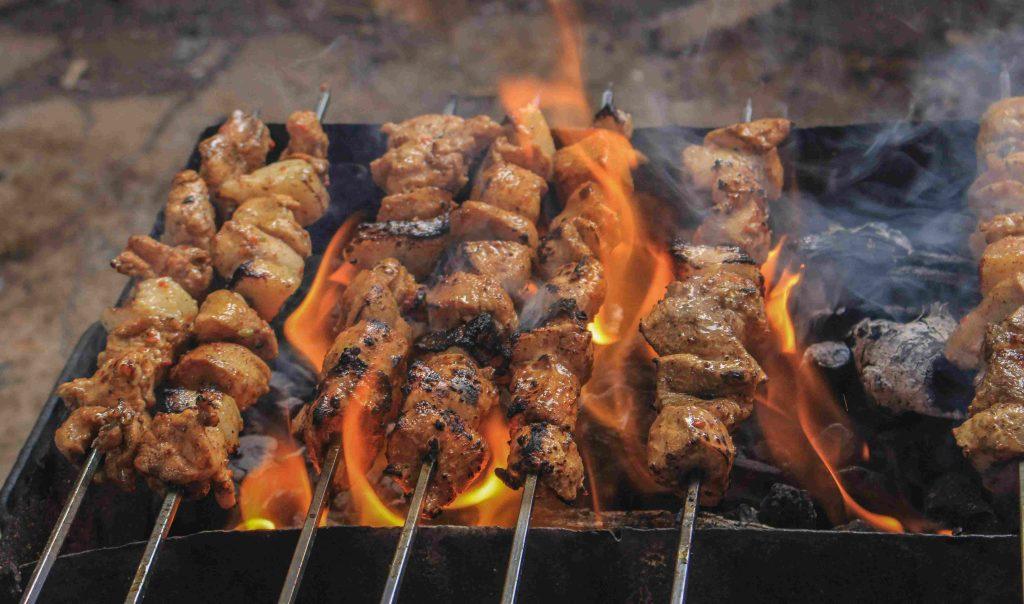
  • Street food: Sekuwa (grilled meat skewers), chatpate, and corn roasted on an open fire

Best Local Nepali Food in Pokhara Lakeside

image taken by  Best Restaurants in Pokhara Lakeside  related to the Best Food in Pokhara Lakeside

1. Thakali Kitchen Restaurants

If you want to eat the most authentic and satisfying meal in Pokhara, a Thakali set is your answer. The Thakali khana set is the king of Nepali cuisine, and Pokhara is one of the best places in Nepal to eat it because of its proximity to the Thak Khola region.

A proper Thakali set comes with dal, bhat, two or three vegetable sides, pickles, and your choice of meat curry. Most restaurants offer unlimited refills on rice and dal, making it an incredible value for money. You can expect to pay between NPR 350 and NPR 600 for a full Thakali set at most Lakeside restaurants.

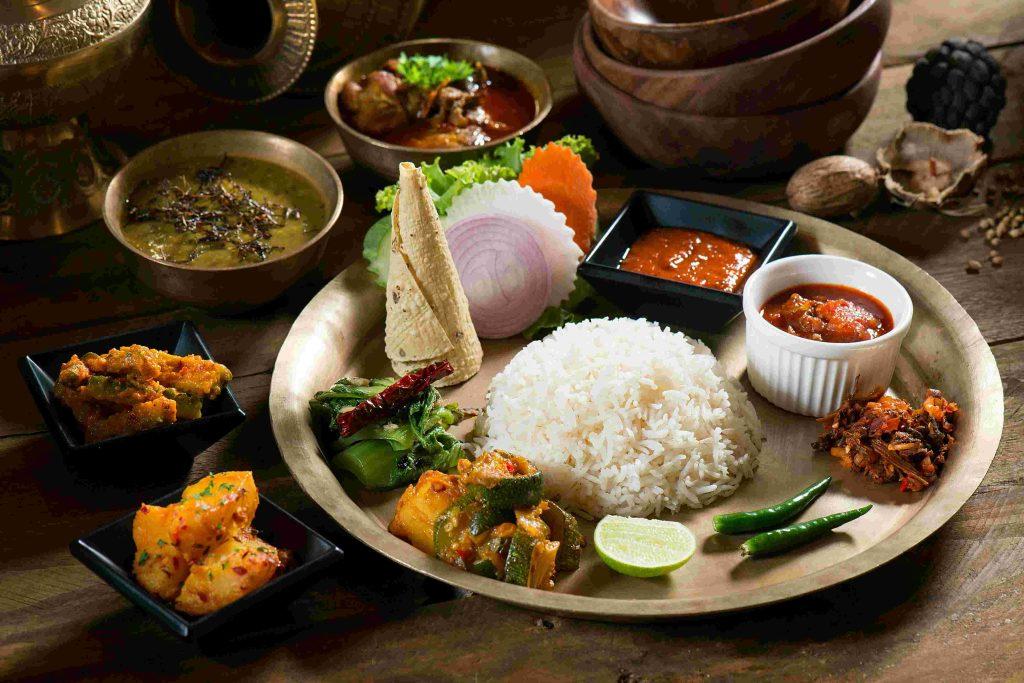
Hotel Janani’s Thakali Kitchen serves authentic Thakali sets made with fresh ingredients daily. Located just 2 to 3 minutes from Phewa Lake, it is one of the most convenient and affordable spots for a proper Nepali meal in the heart of Lakeside.

2. Dal Bhat Spots

Dal bhat is more than just food in Nepal; it is a way of life. Every local restaurant along Lakeside serves its own version. Look for smaller, family-run spots slightly off the main Lakeside road for the best flavor and the most generous portions. Prices range from NPR 200 to NPR 450, depending on the restaurant and whether you add egg or meat.

Best Tibetan Food in Pokhara

Pokhara has one of the largest Tibetan communities in Nepal, which means the Tibetan food in Pokhara is genuinely authentic and incredibly good.

What to Try

  • Thukpa is a hearty Tibetan noodle soup cooked with vegetables or meat in a rich broth. It is the perfect meal after a long day of trekking or exploring. Sha Phaley is deep-fried bread stuffed with meat and vegetables. Think of it as a Tibetan meat pie. It is crispy on the outside, soft on the inside, and deeply satisfying.
  • Tingmo is a soft, steamed Tibetan bread usually served with curry or soup. It is lighter than naan and pairs beautifully with spicy vegetable dishes.
  • For the best Tibetan food in Pokhara, head toward the northern end of Lakeside where the Tibetan community has a strong presence. Small family-run restaurants here serve food made from recipes passed down through generations.
  • Butter tea is another must-try made with tea, yak butter, and salt. It is an acquired taste but a deeply cultural experience. Most Tibetan restaurants near Lakeside serve it for around NPR 80 to NPR 150.

Best Street Food in Pokhara Lakeside

sekuwa image which is also included in Best Food in Pokhara Lakeside

No food guide is complete without covering street food in Pokhara, and Lakeside delivers some seriously good options once the sun goes down.

Sekuwa (Grilled Meat Skewers)

Sekuwa is Nepal’s answer to BBQ. Chunks of marinated buffalo, chicken, or pork are grilled over charcoal and served with beaten rice (chiura) and a spicy tomato chutney. The smoky aroma alone will pull you in from across the street. Along the Lakeside promenade, small stalls fire up their grills around 5 PM and stay open late into the evening. Expect to pay NPR 100 to NPR 200 for a plate.

Momos

Momos are everywhere in Pokhara, but the street-style momos served from small stalls near the lake are a different experience entirely. Steamed, fried, or kothey (pan-fried on one side), momos stuffed with buffalo meat or vegetables with a side of achaar (spicy dipping sauce) are the perfect street snack. A plate of 10 momos costs between NPR 120 and NPR 200.

Chatpate and Corn

For a lighter snack, chatpate, a spicy puffed rice mix with onions, tomatoes, and lemon, is sold by vendors along the lakeside walk and costs around NPR 50 to NPR 80. Roasted corn on the cob is another popular evening snack, grilled over charcoal and rubbed with lemon and spice.

Best Indian Food in Pokhara Lakeside

Indian food is enormously popular in Pokhara, and the best places to eat it are clustered around the central Lakeside area.

Tandoori chicken, butter chicken, paneer dishes, and fresh naan from a clay oven are the highlights. Prices are reasonable; a full Indian meal with bread and a curry costs between NPR 400 and NPR 800 per person.

Hotel Janani’s Tandoori Kitchen is one of the most popular spots for Indian food near Phewa Lake. The tandoori chicken is marinated overnight and cooked fresh in a clay oven, and the naan is made to order. Whether you want a quick lunch or a full dinner, it is a reliable, affordable, and delicious option right in the heart of Lakeside.

Where to Eat in Pokhara on a Budget

 Best Restaurants in Pokhara Lakeside where Best Food in Pokhara Lakeside are served

One of the best things about eating in Pokhara is how far your money stretches. Here is a quick breakdown of realistic meal costs:

MealPrice Range (NPR)
Thakali Khana Set350 – 600
Dal Bhat (local restaurant)200 – 450
Momos (plate of 10)120 – 200
Tibetan Thukpa250 – 400
Tandoori Chicken400 – 700
Street Sekuwa (plate)100 – 200
Breakfast (egg, toast, tea)150 – 300

For a full day of eating well in Pokhara, breakfast, lunch, and dinner, a budget of NPR 800 to NPR 1,200 is completely realistic if you mix local restaurants with occasional street food.

Tips for Eating in Pokhara Lakeside

  • Go slightly off the main road: The restaurants directly on the main Lakeside strip tend to charge tourist prices. Walk one or two lanes back, and you will find the same quality food for 20 to 30 percent less.
  • Eat where locals eat: If a restaurant is full of Nepali locals at lunchtime, that is always a good sign. Locals will not return to a restaurant unless the food is genuinely good and the portions are honest.
  • Try the set meals: Whether it is a Thakali set, an Indian thali, or a Tibetan tsampa set, combination meals offer the best value and the most variety in a single sitting.
  • Book a hotel with its own restaurant: Staying at a hotel with an in-house restaurant saves time and money, especially for breakfast. Hotel Janani’s restaurant serves breakfast, lunch, and dinner with both Nepali and Indian options at honest prices, so you can start and end your day without even stepping outside if you prefer.

Conclusion

Pokhara’s food scene is one of its most underrated attractions. The best restaurants in Pokhara Lakeside are not just about filling your stomach; they are about experiencing the warmth, culture, and flavors of Nepal up close. From a soul-satisfying Thakali set at lunch to grilled sekuwa skewers by the lake at sunset, every meal in Pokhara tells a story.

If you are staying near Phewa Lake and looking for great food without spending a fortune, Hotel Janani’s Thakali & Tandoori Kitchen is right at your doorstep. Clean, fresh, and genuinely delicious, it is the perfect base for exploring everything Pokhara’s food scene has to offer. Hungry already? Book your stay at Hotel Janani and start your Pokhara food adventure today.

Follow us to stay updated with the latest happenings, travel tips, and experiences in Pokhara.

Frequently Asked Questions

1. What food is Pokhara famous for?

Pokhara is famous for traditional Nepali dishes such as momo dumplings, dal bhat, thukpa noodle soup, and local fish dishes served around Phewa Lake. These foods are widely available in Lakeside restaurants and street food stalls.

2. What are the best local foods to try in Pokhara Lakeside?

Some of the best local foods to try in Pokhara Lakeside include momo, Thakali dal bhat, sekuwa grilled meat, chow mein, and thukpa. These dishes represent the authentic flavors of Nepali and Himalayan cuisine.

3. Where can I find the best restaurants near Lakeside Pokhara?

Lakeside Pokhara has many popular restaurants offering Nepali, Asian, and international cuisine. Most restaurants are located along Lakeside Road, making it easy for visitors to explore a variety of dining options within walking distance.

4. Is Pokhara Lakeside good for street food?

Yes, Pokhara Lakeside is known for its street food culture, especially in the evening. Visitors can enjoy snacks such as momo, chatpate, pani puri, chow mein, and fried street food from local vendors.

5. How expensive is food in Pokhara Lakeside?

Food prices in Pokhara Lakeside vary by restaurant. Budget travelers can find local meals at affordable prices, while lakeside restaurants with views of Phewa Lake offer mid-range to premium dining experiences.

Pokhara Trip Cost for 3 Days: Complete Budget Guide (2026)

Planning a trip to Pokhara in 2026 and wondering exactly how much it will cost? Whether you are a traveler on a tight budget, a couple seeking some comfort, or a family wanting a bit of fun and a bit of chill. This Pokhara Trip cost guide simplifies the breakdown of costs for the trip. No fancy packages or hidden surprises, just honest costs for transport, hotels, food, and the best things to do in Pokhara, like paragliding, boating on Phewa Lake, and sunrise at Sarangkot.

Pokhara is still one of Nepal’s most affordable travel spots. You can have an amazing 3-day trip without paying much. Prices include a small 4-6% rise from last year due to normal inflation, but everything stays easy on the wallet. This is a purely independent guide based on what real travelers are paying right now in 2026, not a sales pitch.

Quick Pokhara Trip Cost Breakdown for 2026 (Per Person)

Here’s a simple table so you can see your options at a glance:

Traveler Type3 Days (per person)5-6 Days(per person)
BudgetNpr15,000-22,000NPR 25,000-35,000
Mid-rangeNPR 35,000-55,000NPR55,00-85,000
LuxuryNPR 70,000+NPR 1,20,000+

These totals include everything: getting there from Kathmandu, staying, eating, and fun activities. Now let’s dive into the proper details so you can plan smart.

Getting to Pokhara

Place where people can use their pokhara trip cost for rafting in lakeside pokhara

Most people start their trip to Pokhara from Kathmandu. The journey is beautiful, with winding roads along rivers and green hills.

  • Tourist bus (best for most people): NPR 1,300-1,600 one way. It takes 7-8 hours, has comfortable seats, AC, and a toilet. Leaves around 7 AM or later. Super easy to book online or at the station.
  • Flight: NPR 11,000-16,000 one way (about 25-30 minutes). Great if you want to save time and see the mountains from above.
  • Private jeep or car: NPR 8,000-15,000 one way (shared between 4-6 people makes it cheaper).

Taxi from Pokhara airport or bus park to Lakeside: NPR 300-500. Quick and simple.

Quick comparison:

  • Bus: Cheapest and most scenic.
  • Flight: Fastest but more expensive.

First-time visitors: If this is your first trip to Pokhara, I highly recommend reading our complete Pokhara Travel Guide for First-Time Visitors. It covers everything from the best time to visit to how to get around and the safety tips you need.

Accommodation Costs in 2026

Hotel choice plays a major role in the cost of a trip to Pokhara. Pokhara has options for every traveler, but the best area is Lakeside, close to Phewa Lake, restaurants, shops, and boat rentals.

  • Budget guesthouses: NPR 1,000–3,000 per night (clean room, hot water, Wi-Fi).
  • Mid-range 3-star hotels: NPR 4,000 – 8,000 per night (bigger rooms, better views, AC).
  • Luxury resorts: NPR 10,000+ per night (pools, spas, mountain views).

If you’re looking for a comfortable and affordable stay right in the heart of Lakeside, Hotel Janani is an excellent choice. With rooms starting at NPR 2,000 per night, whether for a single or double, it is a mere 2-3-minute walk to Phewa Lake. You get clean beds, hot water, free Wi-Fi, parking, and an on-site restaurant serving tasty Nepali and Indian food. Families, couples, and solo travelers all feel welcome here. Booking directly often gets you a better rate than booking through big websites.

Pro tip: Book 2-3 months ahead for peak season (October-April) to save money.

Food & Drink Daily Costs

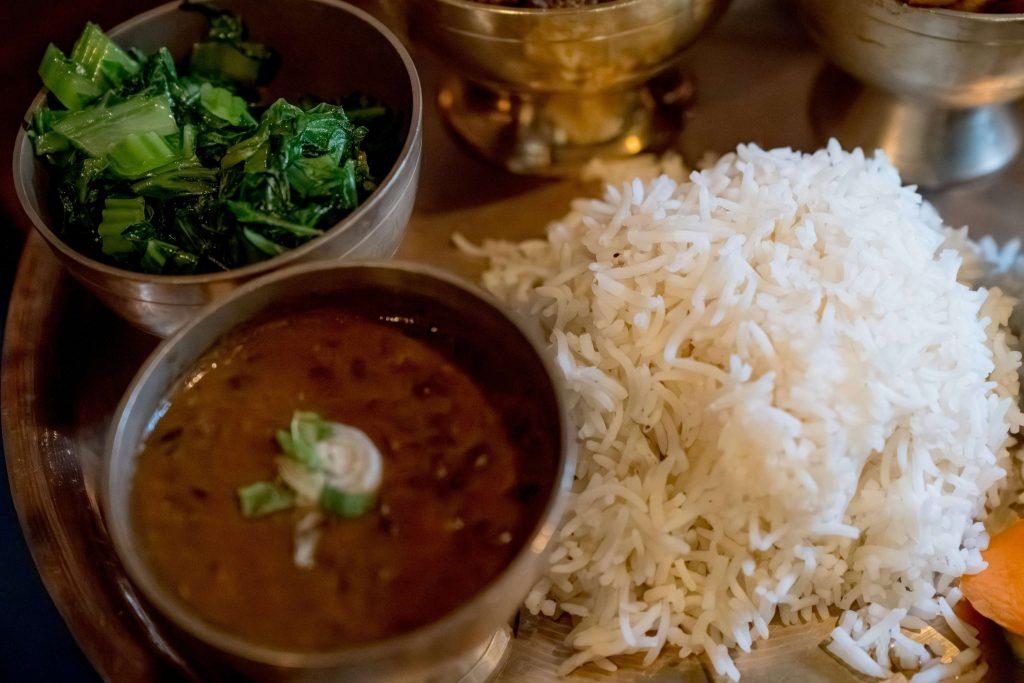
Delicious image of rice meat and spinach combo ready to serve our guest who comes in hotel Janani for food in low price to spend our pokhara trip cost in other things

Eating in Pokhara is affordable and tasty, especially the local cuisine.

  • Budget: NPR 500-1,000 per day. Dal bhat (rice, lentils, veggies) costs NPR 150–300 with unlimited refills. Momos (dumplings) are NPR 150-250. Street snacks like sel roti are under NPR 100.
  • Mid-range: NPR 1,500-2,500 per day. Sit in a cafe for pizza, pasta, or a nice Nepali thali. Coffee or fresh juice adds NPR 150-300. A beer in the evening is around NPR 400-600.

You’ll find everything from lakeside cafes to small Thakali kitchens. Eat where locals eat for the best value and taste.

Must-Do Activities & Sightseeing Costs

Person doing paragliding from the sky in the Pokhara

Activities can increase your cost for a trip to Pokhara. These are the things to do in Pokhara that make the trip special. Here’s a clear table with 2026 prices (per person unless noted):

ActivityCost (NPR)Notes
Phewa Lake Boating500-1,000 per hourShared boat or private; visit Tal Barahi Temple
Sarangkot Sunrise (taxi)1,500-3,000 round-tripShared taxi is a cheaper entry at NPR 60
Paragliding8,500-11,000Enjoy a 20 30 minute tandem paragliding flight in Pokhara, including photos and videos. Fixed price for everyone, no hidden charges.
Zip-line / Bungee8,000-13,500Thrilling extras
Caves, Museum, Falls200-500 eachForeigners rate slightly higher
World Peace PagodaFree (taxi NPR 500-800)Short hike or taxi, amazing views

Paragliding is the top highlight; floating above the lake and mountains feels like pure magic. Book with a trusted operator for safety.

If you want to know all the adventure activities in Pokhara, check out our detailed guide: Best Adventure Activities in Pokhara (2026 Updated). You’ll find everything from paragliding and zip-lining to rafting, hiking, and more. Most activities are easy to do on your own or join a small-group tour.

Realistic Itineraries Sample with Exact Costs

Here’s how a real trip looks with numbers. All costs per person.

3-Day Pokhara Trip Cost for Budget Travelers (Solo or Couple)

  • Day 1: Arrival & Lakeside Exploration Tourist bus from Kathmandu (NPR 1,500) + taxi to hotel (NPR 400) + evening walk and boat on Phewa Lake (NPR 600). Hotel Janani (NPR 2,000 shared) + dinner (NPR 400). Day total: NPR 5,500
  • Day 2: Adventure & Sightseeing Sarangkot sunrise taxi (NPR 1,800 shared) + boating again (NPR 500) + paragliding (NPR 9,000). Lunch and dinner (NPR 800). Day total: NPR 12,100
  • Day 3: Relax & Return Visit World Peace Pagoda (taxi NPR 600) + light breakfast (NPR 200) + bus back to Kathmandu (NPR 1,500). Day total: NPR 2,300

Grand total for 3 days: NPR 20,000 (fits right in the budget range). You’ll see mountains, fly like a bird, and still have money left.

5-Day Mid-Range Trip (Couple Sharing Costs)

Add extra days for hiking, more boating, cafes, and a relaxed pace. The total around NPR 45,000 per person is still very reasonable. You get more time to enjoy sunsets over the lake without rushing.

Package vs DIY Comparison

Some tour operators provide 3-day packages to Pokhara for NPR 7,500-12,000 for each individual (transportation, accommodation, food). It is easy and convenient when it is your first visit, or you are traveling in large numbers.

But DIY (Do It Yourself) usually saves 20-35%. You choose your own hotel (like Hotel Janani), eat where you want, and skip extras you don’t need. Packages are better only if time is super short or you hate booking things yourself.

Money-Saving Tips + Hidden Costs

  • Touring via tourist bus instead of air transport.
  • Riding share taxis to Sarangkot or Peace Pagoda.
  • Having meals at local eateries rather than high-end cafes daily.
  • Booking hotels directly for cheaper deals.
  • Visiting places without paying, such as walking on the lake path or the Peace Pagoda.

Hidden costs to watch for:

  • Entry fees.
  • Tips for guides or drivers (NPR 100-200 is nice).
  • The rainy season (June-September) means fewer paragliding days.
  • Travel insurance (worth it for adventure activities).

Best time to visit Pokhara in 2026:

October to April is the best time to visit Pokhara. You’ll enjoy clear mountain views, pleasant weather, and perfect conditions for paragliding and other outdoor activities.

Want to know which month best suits your travel style? Check our detailed guide: Best Time to Visit Pokhara in 2026 – Month by Month Guide

Conclusion

Boat Images in lakeside pokhara shopwing boat available to ride in pokhara lake


Pokhara gives you mountains, a beautiful lake, adventure, and peace, all without spending a fortune. For most people, NPR 18,000-25,000 per person for 3 days is a realistic Pokhara trip cost.

If you’re planning your trip, drop your budget and trip length in the Facebook comments. I’d love to help refine it for you. And if you want a comfortable base right by the lake, check out Hotel Janani. Safe travels, enjoy the views, and see you in Pokhara!

Frequently Asked Questions

1. Is Pokhara expensive in 2026?

No, Pokhara is still very affordable. A comfortable 3-day trip costs NPR 18,000–25,000 per person for budget to mid-range travelers (including transport, hotel, food, and activities).

2. How much does a 3-day Pokhara trip cost per person in 2026?

The cost of a Pokhara trip depends on your travel style. Budget: NPR 15,000 – 22,000 is suitable for basic travel, including a tourist bus from Kathmandu, a budget Lakeside stay, simple meals, and a few activities. Mid-range: NPR 35,000-55,000 covers more comfort, including better transport, a comfortable hotel, quality meals, and popular activities like paragliding and sightseeing.
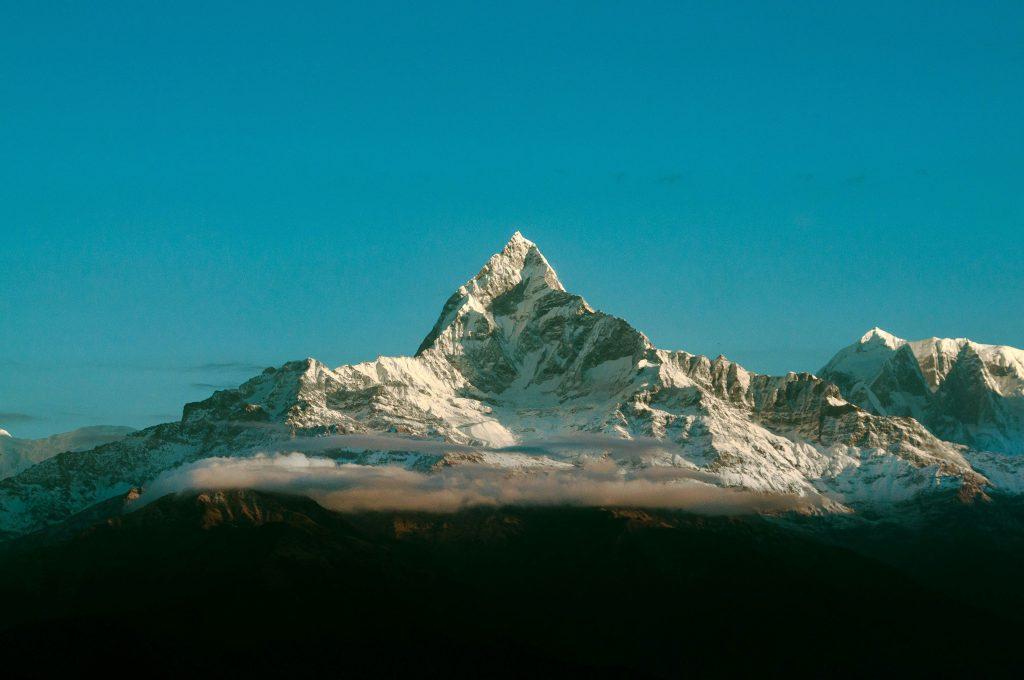
3. How much does paragliding cost in Pokhara?

A standard 20–30 minute tandem flight costs NPR 8,500-11,000 (approx. USD 65–85). This usually includes transport from Lakeside, equipment, and photos/video.

4. What is the best time to visit Pokhara?

October to April is the best period for clear mountain views and perfect paragliding weather. October–November is peak season.

5. How much does it cost to travel from Kathmandu to Pokhara?

Transportation costs vary based on your choice of travel, as a tourist bus: NPR 1,300 – 1,600 takes around 7–8 hours and is the most budget-friendly option, while a flight: NPR 11,000- 16,000 takes about 25–30 minutes and is ideal if you want to save time and travel comfortably

Pokhara vs Kathmandu: Which City is Better for Your 2026 Trip?

Nepal is back on the travel map! With tourism booming, more travelers are discovering this Himalayan gem, from majestic mountains and ancient temples to warm hospitality and experiences you won’t find anywhere else in the world.

But if you’re planning your first trip to Nepal, one question comes up almost immediately: should you visit Kathmandu or Pokhara?

It’s not a simple answer. Kathmandu is Nepal’s vibrant capital, a city layered with centuries of history, spiritual energy, and cultural depth. Pokhara, on the other hand, is a lakeside escape nestled beneath the Annapurna range, known for its clean air, relaxed pace, and natural beauty that stops you in your tracks.

In this guide, we break down Pokhara vs Kathmandu from every angle that matters: atmosphere, attractions, adventure, cost, and where to stay, so you can plan a trip that’s perfectly suited to you.

Why Is Kathmandu Famous?

Photo of Swoyambhu temple which is located in kathmandu

Kathmandu is one of Asia’s most remarkable cities. As Nepal’s capital and cultural heart, it has been a crossroads of Hinduism and Buddhism for over a thousand years. The Kathmandu Valley holds seven UNESCO World Heritage Sites, a concentration of heritage found in very few cities worldwide.

Must-Visit Places in Kathmandu

  • Pashupatinath Temple: One of the most sacred Hindu temples in the world, situated along the Bagmati River. Witnessing the evening aarti here is deeply moving.
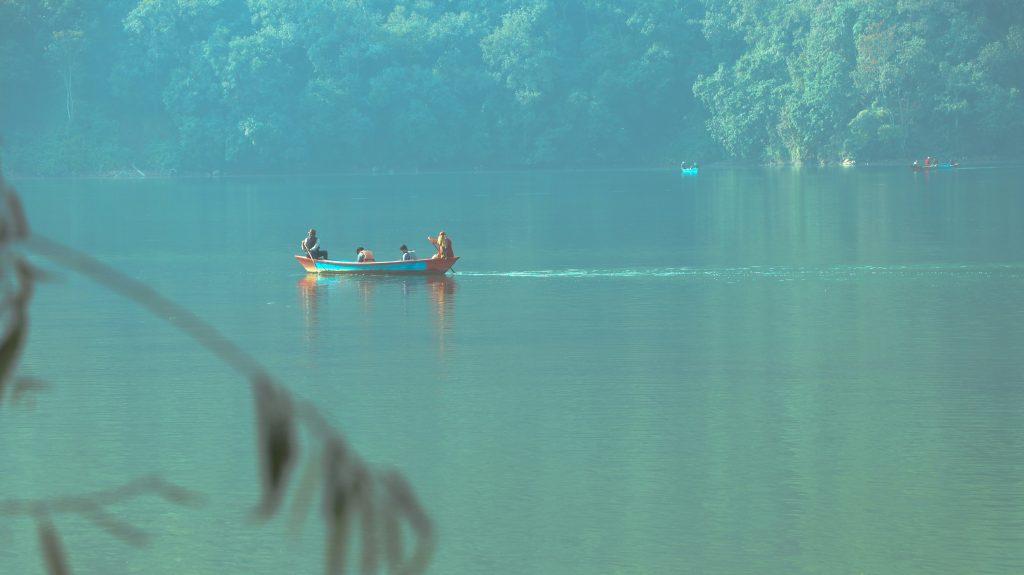
  • Boudhanath Stupa: A massive mandala-shaped stupa that is one of the largest in the world and a major pilgrimage site for Tibetan Buddhists.
  • Swayambhunath (Monkey Temple): Perched on a hilltop overlooking the valley, it offers panoramic views and a fascinating blend of Hindu and Buddhist iconography.
  • Kathmandu Durbar Square: The ancient royal palace complex at the heart of the old city, filled with intricately carved temples and courtyards.
  • Thamel: The bustling tourist hub where you’ll find trekking gear shops, rooftop restaurants, lively streets, and Nepal’s most energetic nightlife.

Kathmandu is also the starting point for legendary treks such as Everest Base Camp and Langtang Valley, making it a must-stop for serious mountaineers and trekkers.

Why Is Pokhara Famous?

Himalayan Views seen from the Pokhara region

Pokhara is the kind of place that surprises you. When you come here, you expect to see an aesthetically pleasing lakeside town; you will be astounded by the beauty here. Pokhara, which lies at about 820m above sea level, offers stunning views of the Annapurna range and Fishtail Mountain.

It’s the gateway to the Annapurna region, one of the world’s most beloved trekking areas, and yet you don’t need to trek at all to fall in love with Pokhara. The city has an unhurried, easygoing energy that makes it one of Nepal’s most relaxing destinations.

Things to Do in Pokhara

  • Boating on Phewa Lake: Rent a wooden rowboat and drift across the calm lake with Machapuchare reflected in the still water, genuinely one of Nepal’s most iconic moments.
  • Paragliding: Ranked among the best in Asia, launch from the hills above the city and soar over the lake with Himalayan peaks in the background, an unforgettable experience.
  • Sunrise from Sarangkot: Wake before dawn, drive up to Sarangkot, and watch the Annapurna range turn gold as the sun rises. Easily one of the best places to visit in Pokhara.
  • Davis Falls & Gupteshwor Cave: A powerful waterfall plunging into a gorge, next to a mystical limestone cave with a Shiva shrine inside, is worth a half-day visit.
  • Lakeside cafes and restaurants: The Lakeside area of Pokhara is lined with charming cafes, garden restaurants, and rooftop bars. Simply sitting and watching the mountains over a cup of Nepali tea is an activity in itself.

Curious to discover even more activities around Phewa Lake? Check out our complete guide to Things to Do in Pokhara Near Phewa Lake. Many travelers who plan just two days end up staying a full week! 

City Atmosphere and Living Experience: What to Expect

This is where the two cities really diverge and where most travelers make their decision.

Pokhara moves slowly. The air is cleaner. The streets are quieter. You wake up and see mountains. You spend your evenings by the lake. There’s no rush, no honking traffic, no feeling of being overwhelmed. It’s a place designed for rest, reflection, and natural beauty. If you’ve spent weeks on the road and need to exhale, Pokhara is where you do it.

Kathmandu is full of life. Busy streets, bustling markets, and temples with the scent of incense make every corner exciting. Rickshaws weave through traffic, and the city never stops moving. It’s vibrant and full of culture, but it can also be noisy, crowded, and the air isn’t always the cleanest during peak months.
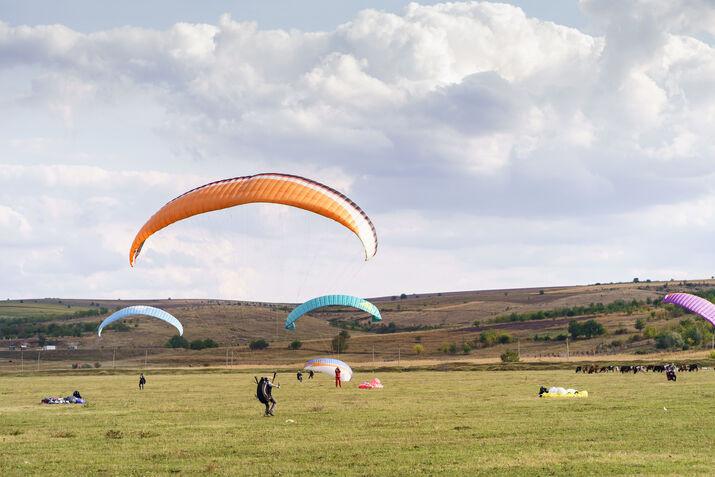
Neither is better in absolute terms. They’re simply different experiences, suited to different kinds of travelers and different moods.

Things to Do: Pokhara vs Kathmandu

Pokhara and Kathmandu are two of Nepal’s most popular travel destinations, each offering a different kind of experience for visitors. While Pokhara is famous for its natural beauty, lakes, and adventure activities, Kathmandu is known for its rich culture, historic temples, and vibrant city life.

CategoryWinner
Adventure activitiesPokhara
Cultural exploration & heritage sitesKathmandu
Relaxation & slow travelPokhara
Nightlife & urban diningKathmandu
Mountain viewsPokhara
Spiritual experiencesKathmandu

Pokhara vs Kathmandu: Quick Comparison Table

FeaturePokharaKathmandu
VibePeaceful & relaxedBusy & vibrant
Main AttractionLakes & mountainsTemples & heritage
Best ForNature, adventure, relaxationCulture, history, and city life
Air QualityCleanerMore polluted
Crowd LevelLess crowdedHighly crowded
Trekking AccessAnnapurna regionEverest & Langtang region
Accommodation ValueExcellentModerate to high

Planning to visit Pokhara? Check out our detailed guide on things to do in Pokhara near Phewa Lake to discover the top attractions, activities, and travel tips

Which City Is Better for Tourists?

Tourist with Backpack doing trek in nepal

Choosing the best city for tourists really depends on what you’re looking for. If you crave adventure and stunning landscapes, Pokhara is a must-visit, while Kathmandu offers a rich cultural and historical journey for curious travelers. 

Choose Pokhara if you want:

  • A peaceful, unhurried travel experience
  • Stunning natural scenery and mountain views
  • Adventure activities like paragliding and lakeside boating
  • Fewer crowds and cleaner air
  • A relaxed base for Annapurna trekking

Choose Kathmandu if you want:

  • Deep cultural and historical immersion
  • UNESCO World Heritage temples and palaces
  • A lively urban atmosphere with strong nightlife
  • Easy access to Everest Base Camp and Langtang treks
  • The full-on Nepali city experience

The honest truth? If you have at least 7 days in Nepal, visit both. Spend 2–3 days in Kathmandu to absorb the culture and history, then head to Pokhara for the rest of your trip. Most travelers find that Pokhara is where they wish they’d spent more time.

Cost Comparison: Pokhara vs Kathmandu

Nepal is a budget-friendly destination overall, but there are real differences between the two cities.

Kathmandu tends to be slightly more expensive, especially in the Thamel tourist district, where accommodation prices reflect high demand and prime location. Food and drinks at tourist-facing restaurants are also priced a notch higher.

Pokhara offers excellent value. The Lakeside area has a wide range of accommodation from budget guesthouses to comfortable hotels, with strong quality-to-price ratios. You can eat well, stay comfortably, and enjoy plenty of activities without spending much at all. For travelers who want the most from their Nepal budget, Pokhara is simply the better deal.

Where Should You Stay in Pokhara?

If you decide Pokhara is your destination or even part of your Nepal itinerary, choosing the right place to stay can make a big difference in your experience. The Lakeside area is at the heart of tourism: scenic, walkable, and close to Phewa Lake, with plenty of cafes, restaurants, and activity operators nearby.

For a comfortable and convenient stay, there are several options right in Lakeside that serve different budgets. To explore the best choices and get tips for finding the perfect spot, check out our detailed guide on Where to Stay in Pokhara 2026.

Whether you’re arriving from Kathmandu after a cultural deep dive or starting your Nepal journey directly in Pokhara for nature and adventure, having a reliable place to stay makes exploring the city and surrounding mountains much easier and more enjoyable.

Conclusion

Both cities are genuinely worth visiting, and both will leave a mark on you. Kathmandu is irreplaceable for culture, history, and the raw energy of a living, breathing ancient city. Pokhara is where Nepal slows down and lets its natural beauty speak.

For most travelers, especially those seeking peace, mountain views, lakeside relaxation, and great value, Pokhara edges ahead. It’s accessible, beautiful, and the kind of place that makes you rebook your return flight to stay longer. Learn more about things to do in Pokhara and travel tips in our complete Pokhara travel guide.

The smartest Nepal itinerary includes both: start in Kathmandu, soak up the culture, then take a scenic drive or a short flight to Pokhara, and let the mountains do the rest.

However you plan your trip, Nepal will surprise you in the best possible way. And if Pokhara is on your list, Hotel Janani is ready to welcome you.

Follow us on Instagram for real-time updates and guest experiences

Frequently Asked Questions 

1. Which is better to visit in 2026: Pokhara or Kathmandu?

Pokhara is better for nature, relaxation, and adventure activities such as paragliding, while Kathmandu is ideal for culture, heritage sites, and urban experiences. Your choice depends on travel style. 

2. Is Pokhara cheaper than Kathmandu for tourists?

Yes, Pokhara is generally slightly cheaper for accommodation, food, and transportation, especially in tourist areas like Lakeside.

3. How many days should I spend in Pokhara vs Kathmandu?

Spend 2-3 days in Kathmandu for cultural sightseeing and 2-4 days in Pokhara for relaxation, adventure, and mountain views for a balanced Nepal trip.

4. What is the main difference between Pokhara and Kathmandu?

Kathmandu is Nepal’s cultural and historical capital, while Pokhara is known for natural beauty, lakes, and adventure tourism near the Annapurna range.

5. Is it worth visiting both Pokhara and Kathmandu in one trip?

Yes, most travellers visit both to experience Nepal’s full cultural diversity in Kathmandu and its natural beauty in Pokhara. 

Where to Stay in Pokhara: Best Areas, Hotels & Tips for Every Traveler (2026 Guide)

Pokhara is one of Nepal’s most popular travel destinations, known for its lakes, mountain views, and relaxed atmosphere around Phewa Lake.

If you are searching for where to stay in Pokhara, the most important decision is not just the hotel, but the area you choose.

Your location will decide:

  • How close are you to Phewa Lake
  • How much do you spend on transport
  • How peaceful or lively your stay will be
  • How easy it is to access tours and activities

This guide breaks down the best areas to stay in Pokhara, the types of hotels available, and practical tips to help you choose the right stay in 2026.

What Makes Pokhara a Must-Visit Destination

Before diving into neighborhoods and hotels, it helps to understand why Pokhara is so special and why it draws millions of visitors each year.

  • Natural Beauty: Pokhara’s biggest attraction is its natural beauty. Phewa Lake, the second-largest lake in Nepal, sits at the center of the city. On clear days, you can see the reflection of the Annapurna and Machhapuchhre (Fishtail) mountains on the water. Along with green hills and beautiful sunrises from Sarangkot, Pokhara is truly a stunning place to visit.
  • Adventure: Pokhara is the adventure capital of Nepal. Paragliding over Phewa Lake, white-water rafting in the Seti and Kali Gandaki rivers, mountain biking through the hills, bungee jumping, zip-lining, the options are endless. For trekkers, Pokhara is also the gateway to the legendary Annapurna Circuit and Annapurna Base Camp treks, two of the world’s most celebrated trails.
  • Relaxation: Not all visitors come to Pokhara in search of adventure, but that’s also what makes it so wonderful. Pokhara is just as popular for its laid-back, relaxed vibe. Picture quiet cafes on the lake where you can spend hours sipping tea, yoga retreats in tranquil surroundings, relaxing Ayurvedic spas, or simply enjoying the sight of boats gliding across the water as the sun sets.

As a result, Pokhara attracts an incredibly diverse mix of travelers: couples on romantic getaways, solo backpackers on tight budgets, families looking for a safe and scenic holiday, and seasoned trekkers gearing up for the mountains. Whether you’re a kind of traveler, the city welcomes you, but the right neighborhood matters.

Best Areas to Stay in Pokhara

 two small kids riding a boat in the phewa lake of pokhara

1. Lakeside – Best Overall Area to Stay in Pokhara

Pokhara Lakeside is the main tourist hub and the best area to stay in Pokhara for most travelers.

Why stay here:

  • Walking distance to Phewa Lake
  • Most restaurants, cafes, and shops are located here
  • Easy access to boating, paragliding, and tours
  • Safe and tourist-friendly environment

Best for:

  • First-time visitors
  • Couples
  • Families
  • Short stays (2–5 days)

Downsides: Can be crowded in peak season

Damside – Best Budget Area to Stay in Pokhara

Damside (Pardi area) is a quieter alternative close to Lakeside.

Damnside image of Pokhara where theimage shows the river and the dam near it


Why stay here:

  • Cheaper accommodation
  • Peaceful environment
  • Less tourist crowd
  • Still close to the main attractions

Best for:

  • Budget travelers
  • Solo travelers
  • Long stays

Downsides: Limited nightlife and dining options

City Area – Best for Cultural Immersion

The central city area offers a more authentic local experience.

Night view of Pokhara city where people are camping and enjoying their time near the lakeside pokhara

Why stay here:

  • Cheaper hotels
  • Local food and markets
  • Less touristy environment

Best for:

  • Cultural travelers
  • Budget backpackers
  • Long stays

Downsides: Far from Phewa Lake

3. Sarangkot – Best for Views and Luxury Stay

 Sarangkot image where poeople can stay duiring their pokhara visit

Sarangkot is a hillside area known for sunrise views over the Himalayas.

Why stay here:

  • Panoramic mountain views
  • Luxury resorts and boutique hotels
  • Peaceful natural environment

Best for:

  • Honeymoon couples
  • Luxury travelers
  • Photography lovers

Downsides: Far from the city center and the lake

If you want a simple decision:

  • Best overall: Lakeside
  • Best budget + peace: Damside
  • Best views + luxury: Sarangkot
  • Best cultural stay: City area

Types of Hotels in Pokhara

Once you’ve chosen your area, the next step is picking the right type of accommodation. Pokhara offers great options for every budget. Below is a clear breakdown to help you decide which option best fits your needs.

1. Budget Hotels & Guesthouses (NPR 800 – 2,500 per night)

Best for backpackers and budget travelers looking for cheap hotels in Pokhara, Nepal.

What to expect:

  • Clean basic rooms
  • Free Wi-Fi
  • Hot water
  • Walking distance to Lakeside

Example: Hotel Janani offers affordable rooms near Lakeside with clean facilities and a good location, making it a strong value option for budget travelers.

2. Mid-Range Hotels (NPR 3,000 – 8,000 per night

Best balance of comfort and price.

What to expect:

  • Spacious rooms
  • Balcony or lake view options
  • Better service and amenities

Best for:

  • 4–7 day stays
  • Couples
  • Families

3. Luxury Hotels (NPR 9,000+ per night)

    High-end stays with premium facilities.

    What to expect:

    • Mountain or lake views
    • Swimming pools and spas
    • Fine dining experience

    Best for:

    • Luxury vacations
    • Honeymoon travelers

    Quick Comparison Table

    TypePrice Range (per night)Best ForOur Pick
    BudgetNPR 800 – 2,500Backpackers, Value seekersHotel Janani
    Mid-RangeNPR 3,000 – 8,000Couples & FamiliesHotel Janani
    LuxuryNPR 9,000+Honeymoon & Special tripsTemple Tree / Fish Tail

    HOW TO CHOOSE WHERE TO STAY IN POKHARA

    1. Choose your area first, not your hotel: Location is more important than hotel luxury in Pokhara

    Location is more important than hotel luxury in Pokhara because most attractions, restaurants, and travel activities are concentrated in specific areas, such as Lakeside. Staying in the right location reduces travel time, improves convenience, and gives you better access to Phewa Lake, boating points, and tour pickups. Even a basic hotel in the right area often delivers a better overall experience than a luxury property located far from the main tourist hub.

    2. Match area to travel style

    • Lakeside → Convenience & nightlife
    • Damside → Peace & budget travel
    • Sarangkot → Views & luxury
    • City → Local culture

    3. Book early in peak season

    October to November and March to April are the busiest travel seasons in Pokhara, and hotels in popular areas like Lakeside get booked quickly during these months. Travelers who plan ahead usually get better hotel options, lower prices, and greater availability near Phewa Lake and major attractions.

    4. Check real guest reviews

    Focus on reviews from the last 3-6 months, as hotel quality in Pokhara can change quickly due to seasonal staff changes, maintenance, and tourism demand. Recent reviews give you a more accurate picture of cleanliness, service quality, noise levels, and overall guest experience.

    5. Avoid misleading “lake view” claims

    Always confirm room-level views before booking, because many hotels in Pokhara advertise “lake view” or “mountain view” even though only specific rooms actually have those views. Checking this in advance ensures you get the experience you expect and avoids disappointment at check-in.

    Airport Transfer Tips

    • Pokhara Airport is only about 8–10 km from Lakeside (15–25 minutes drive).
    • Private taxi is the most convenient option. Expect to pay NPR 1,200 – 1,800 for a car from the airport to Lakeside (as of 2026). Many hotels, including Hotel Janani, offer free or low-cost airport pickup/drop-off if you book directly.
    • Use apps like Pathao or InDriver for cheaper rides if you have a local SIM and internet.
    • Pre-book your transfer if arriving at night or during peak season to avoid the stress of bargaining at the airport.

    Best Time to Book in 2026

    • Peak season (October–November & March–April): Book 2-4 months in advance for the best rooms and rates. Good hotels fill up fast, especially those with lake views.
    • Shoulder season (December–February & May): Book 1-2 months ahead.
    • Off-season (June–September): You can book even a few days before and often get big discounts.
    • Pro Tip: Booking directly with the hotel (via WhatsApp or email) often offers better rates and more flexible cancellation policies than big booking platforms.

    What to Avoid (Overpriced Lakeside Traps)

    • Don’t book the very first hotel you see on the main Lakeside road: Many look good from the outside but charge premium prices for average rooms with street noise.
    • Avoid hotels that heavily push expensive tours and treks in their lobby they often overcharge.
    • Be careful with “lake view” claims. Some hotels advertise this, but only a few top-floor rooms actually have clear views. Always confirm.
    • During peak season, avoid last-minute walk-ins unless you’re okay with paying 30–50% higher rates.

    Why Hotel Janani is a Smart Choice in Pokhara

    For travelers looking for an affordable hotel in Pokhara that doesn’t sacrifice comfort or cleanliness, Hotel Janani is a strong option in the heart of Lakeside.

    Photo of Affordable hotel of pokhara hotel janani building where the name of thehotel board is clear to view

    Located just a 2–3 minutes’ walk from Phewa Lake, Hotel Janani offers:

    • Clean, well-maintained rooms with comfortable beds
    • Attached bathrooms with hot water
    • Free Wi-Fi throughout the property
    • Helpful staff who can assist with travel arrangements, taxi bookings, and local recommendations
    • Great value for money: Perfect if you want to spend more on experiences like paragliding, boating, and trekking rather than on expensive accommodation

    Why many guests choose us in 2026:

    • Prime Lakeside location without the high prices of bigger resorts
    • Quiet enough for good sleep, yet close to restaurants, shops, and the lake
    • Honest pricing with no hidden charges

    Whether you’re a solo traveler, couple, or small family, Hotel Janani works well for short stays (2–4 nights) or longer trips. We focus on giving genuine hospitality and a convenient base so you can enjoy everything Pokhara has to offer.

    Conclusion

    The best place to stay in Pokhara depends entirely on your travel style, but for most visitors, Lakeside remains the most convenient and balanced option.

    Choose your area wisely, book early in peak season, and focus more on location than luxury, you’ll get a much better experience overall.

    If you’re looking for a comfortable, affordable stay near Lakeside on a limited budget, Hotel Janani can be the ideal choice for your travel to Pokhara. Not only are the rooms clean, but the service is excellent, and the location ensures you are close to the best of Pokhara. Choose your area, book your stay, and get ready for one of the most beautiful travel experiences Nepal has to offer.

    We’re just getting started on Instagram! Follow here to join our journey and see Pokhara through our eyes.

    Frequently Asked Questions

    1. What is the best area to stay in Pokhara for tourists?

    The best area to stay in Pokhara is Lakeside, especially for first-time visitors. It offers easy access to Phewa Lake, restaurants, cafes, trekking agencies, and nightlife. Most hotels, from budget to luxury, are located here, making it the most convenient and popular choice. 

    2. Where should I stay in Pokhara on a budget?

    Budget travelers should stay in Lakeside (Damside or Khahare) or nearby guesthouse areas, where affordable hotels and hostels are widely available. These areas offer cheaper accommodation while remaining close to major attractions and transport links.

    3. Is Lakeside Pokhara better than other areas for accommodation?

    Yes, Lakeside is the best place in Pokhara because it is accessible on foot, lively, and centrally located for all the main tourist attractions, restaurants, and activities such as paragliding and trekking. However, if one wants to be in a quiet location such as Sarangkot or Begnas Lake, it is better.

    4. What types of hotels are available in Pokhara for travelers?

    Pokhara offers a wide range of accommodations, including budget guesthouses, mid-range hotels, boutique stays, and luxury resorts. Travelers can choose lakeside hotels with mountain views or peaceful hillside resorts, depending on their budget and travel style. 

    5. How do I choose the best hotel in Pokhara for my trip?

    To select the best hotel in Pokhara, consider your budget, desired location, whether you are in the area for trekking, relaxation, or nightlife, and the hotel’s facilities, such as lake views, Wi-Fi, and airport access. Lakeside is a convenient place to stay, but staying in the hillside areas can offer better views and peace.

    Best Time to Visit Pokhara: Weather, Seasons & Travel Tips

    Pokhara is Nepal’s most beautiful lakeside city, known for its peaceful atmosphere, stunning Himalayan views, and adventure activities like paragliding, trekking, and boating on Phewa Lake. Surrounded by mountains and natural beauty, it is one of Nepal’s top travel destinations for both relaxation and outdoor adventures.

    If you plan to visit Pokhara, the real question isn’t just “When?” but “When would be the best time for me?” The reason is simple: Pokhara changes a lot throughout the year, and each season creates a different experience on your trip that can completely affect how your travel feels.

    This matters because weather conditions in Pokhara directly impact what you have planned and what you will actually experience on the ground. Clear skies or cloudy weather can change mountain visibility; trekking routes feel very different depending on the season, and adventure activities like paragliding are highly dependent on wind and weather conditions. Even overall travel comfort, like how crowded it is, how expensive hotels are, and how relaxed the atmosphere feels, changes from month to month.

    Choosing the right time can completely change your experience in Pokhara, whether you see it at its most beautiful or at its most unpredictable. That’s why we’ve created this complete guide on the best time to visit Pokhara, covering everything from weather patterns and seasonal changes to what each period is actually like on the ground, so you can easily decide what works best for your trip.

    Understanding Pokhara Weather Throughout the Year

    Pokhara sits at about 820 meters above sea level, which gives it a mild, subtropical climate warmer than Kathmandu, but not too hot. Unlike many hill stations, Pokhara is accessible and pleasant year-round. However, each season brings a completely different experience.

    • Spring (March-May): Warm, blooming, and great for outdoor activities
    • Summer/Monsoon (June-August): Heavy rainfall, lush greenery, fewer crowds
    • Autumn (September-November): Clear skies, stunning mountain views – the peak tourist season
    • Winter (December-February): Cold mornings, peaceful atmosphere, budget-friendly

    Perfect Time to Visit Pokhara – According to the Season

    paragliding photo of people near Phewa lake by Affordable hotel hotel Janani

    Autumn Season (October to November) – BEST OVERALL

    Autumn (October to November) is the best time to visit Pokhara, offering clear skies and stunning mountain views of the Annapurna range. The weather is pleasant for trekking, boating, and sightseeing, making it the most popular season for travelers. Booking early is recommended as hotels fill up quickly.

    Why this is the best season:

    • Clear blue skies and excellent mountain views
    • Best visibility of the Annapurna range
    • Perfect weather for trekking and paragliding
    • Stable temperature (not too hot or cold)

    Best for:

    • Trekking (Annapurna region)
    • Paragliding
    • Sightseeing
    • First-time visitors

    Downsides:

    • Early booking required
    • Peak tourist season resulting to higher hotel prices

     Spring Season (March to April) – SECOND BEST

    Spring (March to April) is the second-best time to visit Pokhara, with mild temperatures and blooming rhododendrons across the hills. Mountain views are generally clear, and conditions are ideal for trekking, paragliding, and sightseeing, with slightly fewer crowds than in autumn.

    Why visit in spring:

    • Pleasant temperature
    • Blooming rhododendrons in nearby hills
    • Good visibility of the mountains
    • Ideal for outdoor activities

    Best for:

    • Adventure sports
    • Nature lovers
    • Photography

    Downsides:

    • Moderate tourist crowds in the winter months.
    • Cozy rooms, a convenient location, and friendly service are exactly what you need after a day of exploring.
    • Slight haze compared to autumn

    Winter Season (December to February) – QUIET & BUDGET FRIENDLY

    Winter (December to February) is a quiet and budget-friendly time to visit Pokhara, with fewer tourists and lower hotel prices. Days are generally clear with good mountain views, though mornings and evenings can be cold, making it ideal for travelers seeking a peaceful stay.

    Why choose winter:

    • Low tourist crowds
    • Cheaper hotel prices
    • Calm and peaceful environment

    Best for:

    • Budget travelers
    • Relaxed trips
    • Long stays

    Downsides:

    • Cold mornings and nights
    • Limited mountain clarity on some days

    Monsoon Season (June to September) – NOT RECOMMENDED

    The monsoon season (June to September) is generally not recommended for visiting Pokhara due to heavy rainfall, cloudy skies, and limited mountain views. Travel disruptions and outdoor activity restrictions are common, though it can be quieter and cheaper for flexible travelers.

    Challenges:

    • Frequent rain
    • Cloudy skies block mountain views
    • Landslides can affect travel routes
    • Outdoor activities are often canceled

    Best for:

    • Budget travelers who don’t mind rain
    • Off-season discounts

    Best Time Based on Your Travel Purpose

    The best time to visit Pokhara really depends on what kind of trip you want.

    If you’re coming for adventure activities like trekking, paragliding, hiking, or sightseeing, then spring (March to April) and autumn (October to November) are your best options. These months usually bring clear skies, stable weather, and the kind of mountain views Pokhara is famous for. This is also when most trekkers head toward the Annapurna region, so the atmosphere feels more active and exciting.

    For a honeymoon or a peaceful couple’s trip with your loved ones, autumn and winter work best because autumn gives you beautiful weather and amazing views, while winter feels quieter and more relaxed. Evenings around Phewa Lake are especially calm during this time, which makes it perfect for slow walks, café hopping, and enjoying sunsets together.

    If you are traveling mainly for photos especially if you want those beautiful shots for your social media or just want to capture Pokhara at its best then October and November are the perfect months. After the monsoon, the air becomes clean and clear, which means the mountains look sharper, the skies turn deep blue, and sunrise views from places like Sarangkot feel almost unreal. It’s the kind of weather where every photo looks naturally good, even without much editing.

    For students, budget travelers, or long-term visitors, monsoon and winter are the cheapest periods to visit Pokhara. During monsoon, there is constant rainfall and no sunny weather. However, all of Pokhara becomes lush green at that time. It is a peaceful place with almost no crowds due to the fact that it is off-season for the tourists. Winter is also cheap and peaceful compared to other times of year, with reduced rates for hotel accommodations; however, it requires some warm clothing since it is cold in the morning and evening hours.

    For solo travelers who prefer calm and less crowded places, December and January are a good choice. The city slows down, Lakeside feels more relaxed, and you get a chance to enjoy Pokhara without the usual tourist rush and if you want to experience local culture and festivals, October is the most special time. During Dashain and Tihar, Pokhara becomes lively with lights, celebrations, and a warm festive atmosphere that gives your trip a completely different feel.

    In order to spare you from remembering all the information presented above, we have made everything easier by creating a concise table that will enable you to easily evaluate the best time according to your own traveling preferences. Just take a screenshot or refer to it each time when making your choice – and there won’t be any troubles at all.

    Travel PurposeBest Time
    Adventure (Paragliding, Trekking)Spring & Autumn
    Budget TravelWinter & Monsoon
    HoneymoonAutumn & Winter
    PhotographyOctober–November
    Peaceful Solo TravelDecember–January
    Festivals & CultureOctober (Dashain/Tihar)

    Best Time to Reach Pokhara by Transport

    By Road

    The drive from Kathmandu to Pokhara takes around 6–7 hours on the Prithvi Highway and is one of Nepal’s most scenic routes. The best months for road travel are October through May, when landslide risks are minimal. Avoid travelling by road during the peak monsoon (July–August), as landslides can cause serious delays and road closures.

    By Air

    Pokhara has its own international airport, making air travel a fast and convenient option. Mountain-viewing flights and air connections operate year-round, but during the monsoon period, both may be restricted. The best months for smooth, on-time flights with clear views are October through April.

    Month-by-Month Quick Guide to Pokhara

    Pokhara climate changes across all 12 months, and each month brings a different version of the city. Some months are crystal clear due to rainfall which contributes to strong mountain views, while others are cloudy, rainy, or quiet depending on the season. Because of this variation, the “best time” is not the same for everyone it depends on whether you want clear Himalayan views, adventure activities, low-budget travel, or a peaceful experience. This month-by-month table helps you quickly understand those real on-ground changes so you can compare conditions easily and choose the timing that actually matches your travel style.

    MonthWeatherGood For
    JanuaryCold, clearPeaceful travel, budget stays
    FebruarySlightly warmerSightseeing, paragliding
    MarchPleasant start of springTrekking, nature walks
    AprilPerfect weather, sunnyAll activities – highly recommended
    MayWarm, slightly hazyTrekking, lake visits
    JuneRainy beginsLush greenery, low prices
    July–AugustHeavy rainRelaxing, budget travel only
    SeptemberRain clears, freshGood start to peak season
    OctoberBest month overallEverything, trekking, festivals, and views
    NovemberClear and coolPhotography, trekking
    DecemberCold mornings, peacefulQuiet travel, budget stays

    Essential Travel Tips for First-Time Visitors to Pokhara

    Photo related to the Boating in Pokhara used by the affordable hotel of Pokhara - Hotel Janani

    Planning your first trip? Here are a few things that will make your visit much smoother:

    • Pack for the season – Layers work best in spring and autumn. Bring a good rain jacket for the monsoon and warm clothes for winter mornings.
    • Book early in peak season – October and November are busy. Hotels and activities get booked weeks in advance.
    • Stay lakeside – The lakeside area gives you easy access to Phewa Lake, restaurants, and most tourist activities. Hotel Janani is a well-located, affordable option in this area, great for both short and long stays.
    • Stay safe during the monsoon: Avoid riding motorbikes on wet roads and stay away from riverbanks during heavy rains. Check road conditions before heading toward mountain areas.

    For a more detailed guide on planning your first trip, check out our complete Pokhara Travel Guide for First-Time Visitors.

    Where to Stay in Pokhara?

    The best place to stay in Pokhara is Lakeside, as it offers easy access to Phewa Lake, restaurants, hotels, and major tourist activities. Other good options include Damside for budget-friendly, peaceful stays and Sarangkot for mountain views and luxury experiences.

    When choosing a hotel in Pokhara, key factors to consider include affordable pricing with good value for budget and mid-range travelers, comfortable and well-maintained rooms for a restful stay after exploring, and a convenient location close to Phewa Lake, restaurants, and major attractions.

    Depending on whether you visit Pokhara to relax, have fun, trek or sightsee, selecting the correct neighbourhood and hotel may make your trip more enjoyable for you. Each location in Pokhara has something to offer travellers. For instance, there is the hustle and bustle at Lakeside, the serene environment at Damside and the amazing view at Sarangkot, just to name a few. Find out about all these locations in our comprehensive guide to Where to Stay in Pokhara.

    Conclusion

    Pokhara is beautiful in every season, but knowing when to go helps you get the most out of your trip. If you want the best weather and mountain views, visit in October or November. If you love flowers and adventure, March to May is your window. Traveling on a budget? Winter or monsoon will serve you well.

    Whatever time of year you choose, Pokhara will not disappoint. The mountains will be there. The lake will be there. And so will a warm welcome at Hotel Janani.

    Follow Hotel Janani on Facebook to explore more and stay updated before your trip.

    Frequently Asked Questions

    1. What is the best time to visit Pokhara?

    The best time to visit Pokhara is October to November and February to April when the weather is pleasant, skies are clear, and mountain views are at their best.

    2. Which season offers the clearest mountain views in Pokhara?

    Autumn (October–November) provides the clearest views of the Annapurna range due to low rainfall and clean air after the monsoon.

    3. Is Pokhara good to visit during the monsoon season?

    Yes, but with limitations. The monsoon season (June–September) brings heavy rainfall, lush greenery, and fewer crowds, but mountain views are often blocked, and outdoor activities may be restricted.

    4. How is the weather in Pokhara throughout the year?

    Pokhara has a mild climate throughout the year, with four distinct seasons. Autumn (Oct–Nov) is clear and best for mountain views; spring (Mar–Apr) is warm with blooming landscapes; winter (Dec–Feb) is cool and quiet; and monsoon (Jun–Sep) brings heavy rain and limited visibility.

    5. Is winter a good time to visit Pokhara?

    Yes, winter (December–February) is ideal for peaceful travel with fewer crowds and clear skies, though mornings and nights can be cold.

    Complete Pokhara Travel Guide for First-Time Visitors (2026)

    Pokhara is one of Nepal’s most beautiful travel destinations, known for Phewa Lake, mountain views, and adventure activities. First-time visitors should stay in Lakeside, explore major attractions, and plan their visit during spring or autumn for the best experience.

    Planning a first trip to Nepal can feel overwhelming. You may think:

    • How do I actually get to Pokhara from Kathmandu?
    • Which places in Pokhara are worth visiting and which are overhyped?
    • How much should my budget be for a complete trip to Pokhara?
    • Is Pokhara safe for solo travelers and families?
    • How many days in Pokhara are enough?

    In this updated 2026 Pokhara travel guide, you’ll find everything you need: how to reach, best time to visit, must-see attractions, a ready-to-use itinerary, realistic costs, food recommendations, and the best places to stay.

    How to Reach Pokhara from Kathmandu

    Getting to Pokhara is quite easy. After all, you’re not climbing Mount Everest, just planning a relaxing trip. There are three major options depending on your budget, time, and comfort preference.

    By Tourist Bus (Most Popular & Budget-Friendly)

    The tourist bus is the most common way to travel from Kathmandu to Pokhara, and for good reason: it is affordable, comfortable, and gives you a scenic view of Nepal’s countryside along the way.

    • Departure point: Tourist Bus Park, Sorhakhutte, Kathmandu
    • Travel time: Depends on road and weather conditions; might be 6-7 hours.
    • Approximate cost: NPR 1,300 – NPR 2,700 per person (one way)
    • Buses typically depart in the morning between 7:00 AM and 8:00 AM
    • Book your seat a day in advance during peak season (September–November)

    Pro Tip: Choose a seat on the right side of the bus for the best mountain views during the journey.

    By Flight (Fastest Option)

    If time is your priority, flying from Kathmandu to Pokhara is the quickest option and the views from the aircraft window are absolutely breathtaking.

    • Route: Kathmandu (TIA) to Pokhara (PKR)
    • Travel time: Approximately 25 minutes
    • Approximate cost: NPR 10,500 – NPR 20,000 per person (one way, varies by airline and season)
    • Book in advance during peak season to avoid price hikes

    By Your Own Vehicle or a Rented Vehicle

    Travelling with your private car or motorcycle is a great option for those who want full flexibility and enjoy road trips.

    •  Best route: Kathmandu – Prithvi Highway – Pokhara (approximately 200 km)
    • Travel time: 6-7 hours by car, slightly longer by bike
    • Road conditions are generally good on the Prithvi Highway, but can be affected by monsoon landslides
    • Safety tip: Avoid driving at night, especially during the monsoon season (June–August)
    • Carry emergency contacts and a basic first aid kit when travelling by bike

    Important Things to Prepare Before Travelling

    Before you leave for Pokhara, spending a little time on preparation will save you from a stressful journey. Here is what every first-time traveller should take care of in advance: 

    • Unplanned trips sound fun, but you should book your hotel in advance
    • Carry sufficient cash
    • Prepare for the changing weather of Pokhara
    • Get travel insurance

    Best Places to Visit in Pokhara

    Now you may be wondering where to go after reaching Pokhara. Don’t worry, when it comes to things to do in Pokhara, the city punches far above its weight. Here are the top attractions that every first-time visitor should include in their Pokhara itinerary.

    • Phewa Lake: Phewa Lake is said to be the heart of Pokhara and the first place most travelers head to after checking in. It is the second largest lake in Nepal and reflects the snow-capped Annapurna and Machhapuchhre (Fishtail) peaks on clear days.
    • Sarangkot: Sarangkot in Pokhara is primarily visited for its breathtaking, panoramic sunrise views over the Annapurna and Dhaulagiri mountain ranges. It sits about 1,600 meters above sea level, so be ready to view the mountains with your own eyes. 
    • Davis Falls: Davis Falls, locally known as Patale Chhango, is a unique and powerful waterfall located about 2 km south of Lakeside. What makes it special is that the water disappears underground through a rocky gorge, creating a dramatic natural phenomenon.
    • World Peace Pagoda: The World Peace Pagoda sits on a hilltop south of Phewa Lake and offers one of the most stunning panoramic views of Pokhara, the lake, and the Himalayas. It is a Buddhist stupa built by Japanese Buddhist monks and is a symbol of peace and unity.
    • International Mountain Museum: If you want to understand Nepal’s relationship with the Himalayas, the history, the culture, the people, and the climbers, the International Mountain Museum is a must-visit.

    Adventure Activities in Pokhara

    Now you may be wondering, Pokhara is just for the view, but Pokhara is far more than just a view. Pokhara is widely regarded as the adventure capital of Nepal. Whether you are an adrenaline junkie or trying adventure sports for the first time, the city has options for every level of thrill-seeker.

    • Paragliding
    • Bungee Jump
    • Zip Lining
    • Ultra Light Flight

    If you’re curious about all the adventure activities you can do in Pokhara, check out our adventure activities in Pokhara blog. It has everything from paragliding to zip lining!

    Best Areas & Hotels (2026)

    Pokhara has accommodation options for every type of traveler, from basic guesthouses to luxury resorts. Here is a quick breakdown to help you choose:

    Estimated Budget for Pokhara Trip 2026 (Per Person)

    • Budget: NPR 3,500 – 5,000 per day
    • Mid-range: NPR 6,000 – 9,000 per day
    • Luxury: NPR 12,000+

    5-Day Total (Mid-range): NPR 35,000 – 50,000 (excluding international flights).

    Practical Tips & Safety for First-Time Visitors

    • Carry cash (ATMs sometimes run out)
    • Buy an NTC or Ncell SIM at the airport
    • Use registered taxis/apps
    • Drink bottled water
    • Respect local culture at temples
    • Travel insurance recommended

    Now that you understand the average hotel cost in Pokhara, choosing the right place to stay can still feel confusing. If you’re searching for an affordable hotel near Lakeside, Hotel Janani offers comfortable rooms and great value for travelers.

    The hotel provides clean, well-maintained rooms at genuinely competitive prices compared to other hotels in Pokhara. Its prime location gives you easy access to Phewa Lake, local restaurants, and activity booking offices, making it a practical and convenient base for first-time visitors.

    For a complete breakdown of all areas and hotels in Pokhara, read our detailed guide

    Estimated Cost of a Pokhara Trip

    One of the most common questions first-time visitors ask is:

    1. How much does a Pokhara trip cost?
    • The cost of a Pokhara trip depends on your travel style, but overall, it is quite affordable. Expenses usually include transportation, accommodation, food, and activities.
    ExpenseEstimated Cost (NPR)
    Bus ticket (Kathmandu–Pokhara)1,300 – 2,700
    Flight (Kathmandu–Pokhara)10,500 – 20,000
    Budget hotel per night2,000 – 5,300
    Food per day1,300 – 2,700
    Paragliding9,300 – 12,000
    Bungee Jump8,000 – 10,500
    Zip Lining4,000 – 6,700
    Boating at Phewa Lake650 – 1,350
    Entry fees (museums, pagoda)650 – 2,000
    Miscellaneous (transport, tips)1,350 – 2,700

    Safety Tips for First-Time Travellers

    Pokhara is generally a very safe city for Travellers, but, like any destination, a little awareness is always a good idea. Keep these tips in mind throughout your trip:

    • Avoid walking alone at night in unfamiliar lit areas.
    • Keep copies of important documents (passport, visa, travel insurance) stored separately from the originals.
    • Book adventure activities only with licensed operators, and avoid unusually cheap deals that may compromise safety.
    • Share your daily itinerary with your hotel front desk, a friend, or a family member.
    • Save the Pokhara Tourist Police number for emergencies.

    Best Time to Visit Pokhara

    Choosing the right time to travel can make a huge difference to your experience. Here is a season-by-season breakdown: 

    • Autumn September to November (Best Season Overall)

    This is the peak tourist season because the monsoon clears the skies, giving sharp mountain views and fresh air. Daytime temperatures are comfortable, making it perfect for sightseeing and trekking.

    • Spring – March to May (Second Best Season)

    Spring brings warmer temperatures and colourful rhododendron blooms across the hills. The weather is clear and stable, making it a great time for paragliding, hiking to Sarangkot, and exploring Pokhara. 

    • Winter – December to February (Quiet & Budget-Friendly)

    Winter in Pokhara is cold but not too harsh. It’s the low tourist season, so there are fewer crowds and affordable hotels. Clear winter mornings often offer some of the best mountain views. Just remember to pack warm clothes. 

    • Monsoon – June to August (Not Recommended for First-Timers)

    The monsoon brings heavy rainfall, landslide risks on mountain roads, and limited visibility in the mountains. So for the first trip, I wouldn’t recommend travelling to Pokhara in this season.

    Conclusion: Start Planning Your Pokhara Trip Today

    As this Pokhara travel guide shows, Pokhara truly has something for every traveller. Whether you come for the mirror-like reflections on Phewa Lake, the golden sunrise over the Annapurna range from Sarangkot, the heart-pounding thrill of a bungee jump, or simply the warm and welcoming atmosphere of Lakeside, this city will not disappoint.

    As a first-time visitor, the most important things to remember are: plan ahead, carry cash, choose trusted operators for adventure activities, and give yourself at least 3–4 days to truly experience what Pokhara has to offer. A weekend is simply not enough, and when it comes to accommodation, you do not need to overspend to stay comfortably. 

    You can choose affordable hotels and save your money because Hotel Janani offers one of the most affordable stays near Lakeside in Pokhara, giving you reliable comfort, easy access to the city’s top attractions, and a friendly environment all without the premium price tag you might find elsewhere.

    So, ready to have a little freshen up? Book your Pokhara adventure! Visit Hotel Janani to secure your stay today. We’d also love to hear from you, share your Pokhara experiences, or travel questions on our Facebook page. Pokhara is waiting!

    Frequently Asked Questions

    1. How far is Pokhara from Kathmandu and how long does it take to reach?

    Pokhara is located about 200 km west of Kathmandu. Traveling by road usually takes around 6 to 8 hours, depending on traffic and road conditions, while domestic flights from Kathmandu to Pokhara take approximately 25 minutes.

    2. Is Pokhara safe for tourists and solo travellers?

    Yes, Pokhara is considered one of the safest tourist destinations in Nepal. Areas like Lakeside are well-developed and tourist-friendly, making the city comfortable for solo travellers, couples, families, and groups.

    3. What is the best time to visit Pokhara?

    The best time to visit Pokhara is during autumn (September to November) and spring (March to May). These seasons offer clear skies, pleasant temperatures, and the best mountain views, making them ideal for sightseeing, trekking, and adventure activities.

    4. Is two days enough to visit Pokhara?

    Yes, two days is enough to explore the major attractions in Pokhara, including Phewa Lake, Davis Falls, and Sarangkot. However, staying for 3 to 4 days allows visitors to enjoy a more relaxed experience and participate in additional activities like paragliding, boating, and short hikes.

    5. Can you see Mount Everest from Pokhara?

    No, Mount Everest cannot be seen from Pokhara. However, visitors can enjoy spectacular views of the Annapurna, Machhapuchhre (Fishtail), and Dhaulagiri mountain ranges from different viewpoints around the city.